
Seed Treatment Best Practices Guide
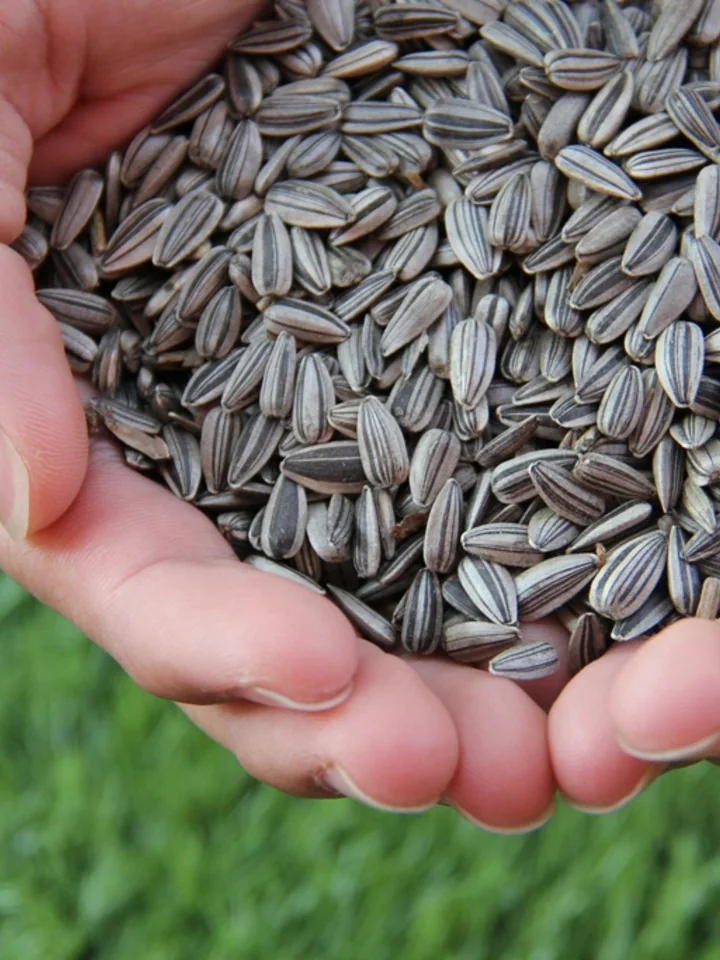
Seed Treatment Best Practices play a crucial role in modern agriculture by ensuring healthy seed germination, vigorous crop establishment, and higher agricultural productivity. Every successful harvest begins with healthy seeds, and proper seed treatment serves as the first line of defense against seed-borne diseases, soil pathogens, insect attacks, and unfavorable environmental conditions. Farmers who adopt scientifically proven seed treatment methods experience improved crop vigor, uniform plant growth, and greater resistance to stress throughout the growing season.
Today, agriculture demands sustainable and environmentally responsible farming practices that reduce unnecessary chemical applications while maximizing crop performance. Proper Seed Treatment not only protect seeds during the critical germination phase but also enhance nutrient absorption, improve root development, and promote healthier plant growth from the very beginning. This proactive approach minimizes crop losses and contributes significantly to increased farm profitability.
The growing popularity of Seed Treatment Products has transformed farming by offering advanced biological and organic solutions that protect seeds naturally while maintaining soil biodiversity. High-quality treatments strengthen seedlings against fungal diseases, bacterial infections, and insect infestations, resulting in stronger crops capable of producing higher yields.
At Indochem Agrovet, farmers gain access to innovative organic agricultural solutions designed to improve crop productivity while preserving soil health. The company manufactures premium bio-fertilizers, bio-fungicides, bio-pesticides, micronutrients, plant growth promoters, organic manures, and scientifically developed seed treatment solutions that support sustainable farming practices. Their commitment to eco-friendly agriculture enables growers to achieve healthier crops with reduced environmental impact.
Whether cultivating cereals, pulses, vegetables, oilseeds, or horticultural crops, following proper Seed Treatment Best Practices provides long-term advantages that begin even before seeds enter the soil. Investing in quality seed treatment is an investment in healthier crops, stronger yields, improved profitability, and sustainable agriculture.
Why Seed Treatment Is Essential
Healthy seeds form the backbone of profitable farming. Even premium-quality seeds can fail to perform without proper protection during germination.
Benefits include:
- Better germination percentage
- Uniform crop emergence
- Protection against seed-borne diseases
- Reduced insect damage
- Improved root development
- Enhanced nutrient uptake
- Stronger seedling establishment
- Increased crop yield
- Lower production costs
- Better return on investment
Implementing Seed Treatment Best Practices creates healthier crops from the very first stage of cultivation.
Understanding Seed Treatment Products
Modern Seed Treatment Products are specially formulated to protect seeds against biological, fungal, and environmental threats before planting.
Common categories include:
- Bio-fungicides
- Bio-pesticides
- Biological inoculants
- Organic microbial formulations
- Micronutrient coatings
- Plant growth stimulants
- Root development enhancers
These products work together to improve germination, strengthen seedlings, and establish vigorous crop growth.
Best Practices for Effective Seed Treatment
Choose High-Quality Seeds
Seed treatment cannot compensate for poor-quality seeds.
Always select:
- Certified seeds
- Disease-free seeds
- Uniform seed size
- Properly stored seed lots
Healthy seeds maximize treatment effectiveness.
Select the Right Treatment
Different crops require different treatment solutions.
Consider:
- Crop variety
- Soil condition
- Climate
- Disease history
- Pest pressure
Using appropriate Seed Treatment Products ensures maximum protection.
Follow Recommended Dosage
Over-application can damage seeds, while insufficient application reduces effectiveness.
Always:
- Read product instructions carefully
- Measure accurately
- Use calibrated equipment
- Mix uniformly
Proper dosage improves treatment efficiency.
Ensure Uniform Seed Coating
Every seed should receive complete coverage.
Uniform coating provides:
- Equal protection
- Consistent germination
- Balanced crop growth
- Reduced disease spread
Poor coating leads to uneven crop establishment.
Dry Seeds Properly Before Sowing
After treatment:
- Dry seeds in shade
- Avoid direct sunlight
- Prevent excessive moisture
- Store briefly before planting
Proper drying maintains treatment effectiveness.
Store Treated Seeds Correctly
Storage recommendations include:
- Cool environment
- Dry conditions
- Good ventilation
- Clean storage containers
- Protection from moisture
Proper storage preserves seed quality until planting.
Common Mistakes Farmers Should Avoid
Many yield losses occur because of avoidable errors.
Common mistakes include:
- Treating damaged seeds
- Using expired products
- Incorrect dosage
- Mixing incompatible products
- Improper drying
- Poor storage
- Delayed sowing after treatment
- Ignoring manufacturer recommendations
Avoiding these mistakes improves crop performance significantly.
How Indochem Agrovet Supports Sustainable Seed Treatment
Modern farming requires environmentally responsible agricultural inputs.
Indochem Agrovet offers:
- Bio-fertilizers
- Bio-pesticides
- Bio-fungicides
- Organic manures
- Plant growth promoters
- Micronutrients
- Crop protection solutions
- Sustainable agricultural technologies
These scientifically developed products help farmers improve productivity while protecting soil health and the environment.
Frequently Asked Questions
Why is seed treatment important?
Seed treatment protects seeds from diseases, insects, and soil pathogens while improving germination and crop establishment.
Which crops benefit from seed treatment?
Almost every crop benefits, including cereals, pulses, vegetables, oilseeds, cotton, and horticultural crops.
Can biological seed treatments replace chemical treatments?
In many situations, biological treatments provide effective protection while supporting environmentally sustainable farming.
When should treated seeds be planted?
Ideally, treated seeds should be sown soon after drying to achieve maximum effectiveness.
Where can farmers find reliable agricultural solutions?
Farmers can obtain scientifically developed organic farming products from trusted manufacturers like Indochem Agrovet.
Conclusion
Adopting Seed Treatment is one of the smartest investments a farmer can make before planting begins. Proper seed treatment enhances germination, strengthens seedlings, minimizes disease risks, improves nutrient uptake, and lays the foundation for healthy crop development throughout the growing season. Combined with quality Seed Treatment Products, these practices help farmers achieve better productivity while reducing crop losses and production costs.
Sustainable agriculture begins with healthy seeds, and following the right treatment procedures ensures long-term soil health, improved yields, and greater profitability. By integrating scientifically developed organic solutions into seed preparation, growers can cultivate stronger crops while protecting the environment for future generations.
Boost Your Farm with Seed Treatment Best Practices
Take the first step toward healthier crops and higher yields by adopting proven Seed Treatment Best Practices with advanced organic agricultural solutions from Indochem Agrovet. From premium bio-fertilizers and bio-pesticides to plant growth promoters, micronutrients, and sustainable crop protection products, Indochem Agrovet provides innovative solutions that help farmers maximize productivity while maintaining soil health.
Visit Indochem Agrovet today to explore a comprehensive range of eco-friendly agricultural products designed to support sustainable farming, improve seed performance, strengthen crop growth, and deliver long-term agricultural success.