
Micronutrient Fertilizers for Crop Nutrition
Zinc, boron, iron, magnesium and multi-micronutrient inputs for the deficiencies that cap yield long before they are visible in the field.
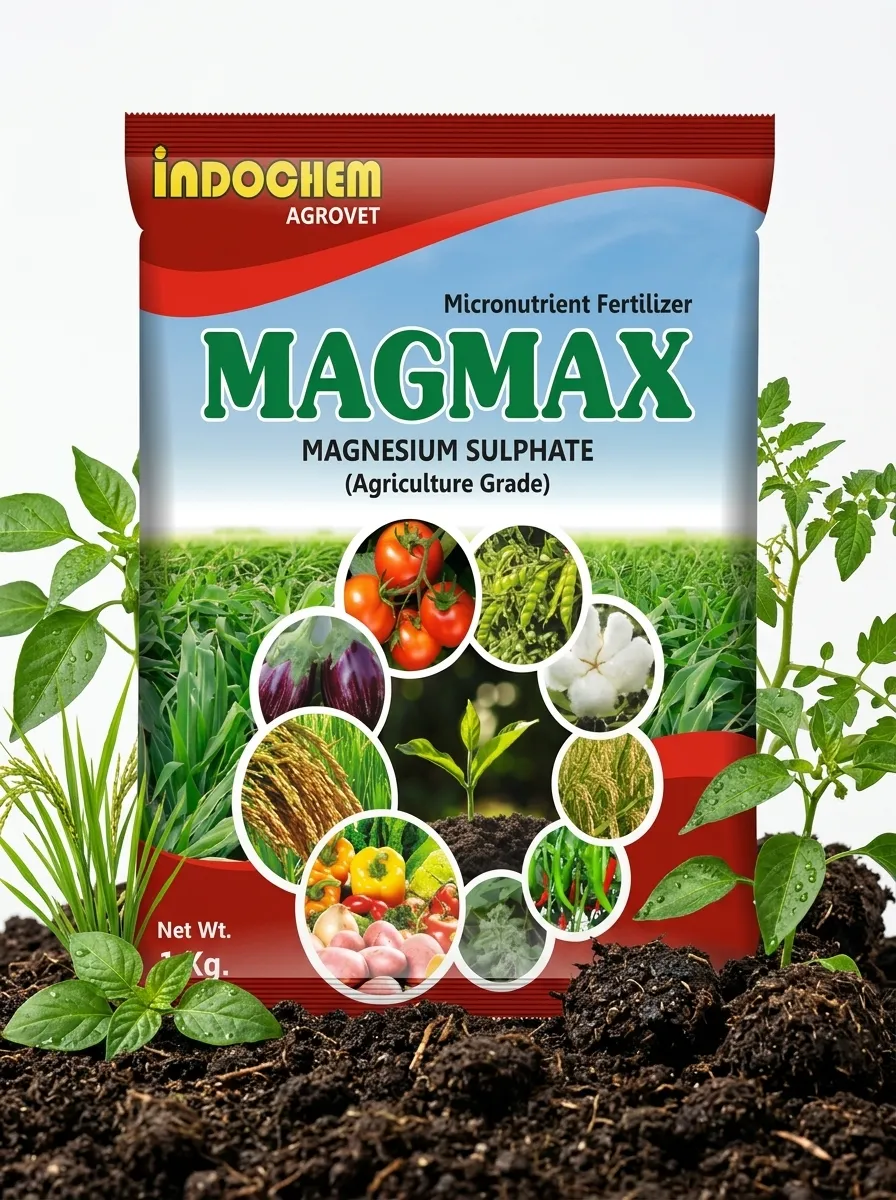
Magmax
MAGMAX FEATURS: MAGMAXis a micronutrient containing Magnesium Sulphate. Boosts Photosynthesis:Magnesium acts as the core atom in chlorophyll, giving leaves a…
View Details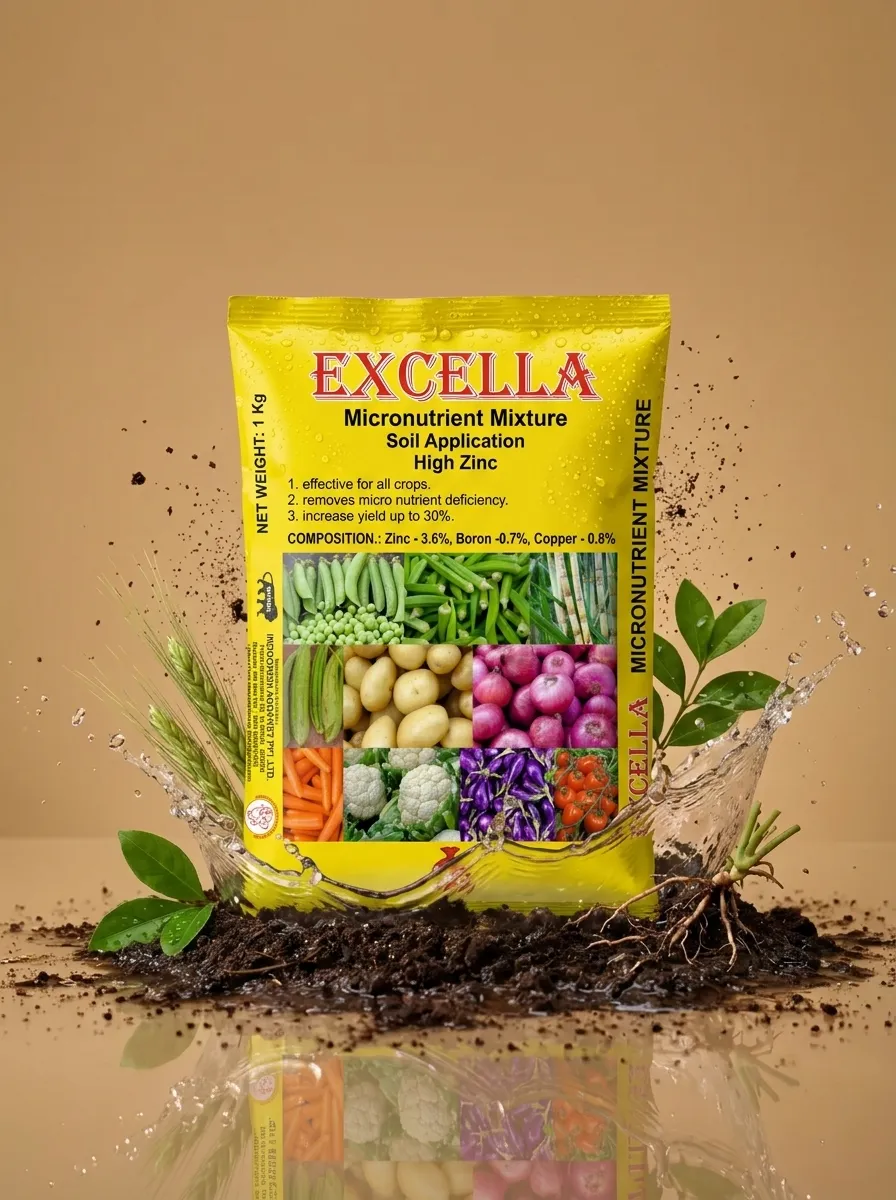
Excella
EXCELLA (basal) contains Zinc, Iron, Boron, Copper, Manganese, and other micronutrients that are essential for plants. This is as per…
View Details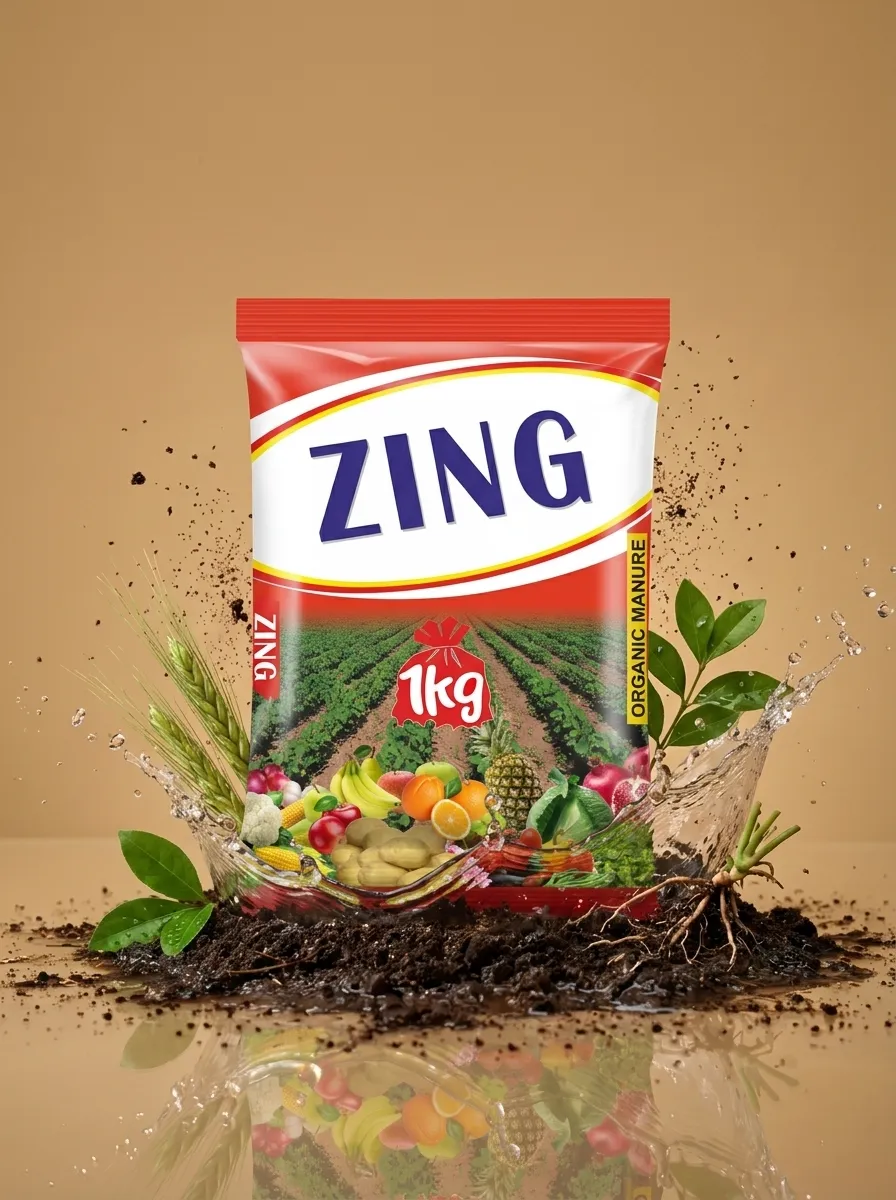
Zing
View Details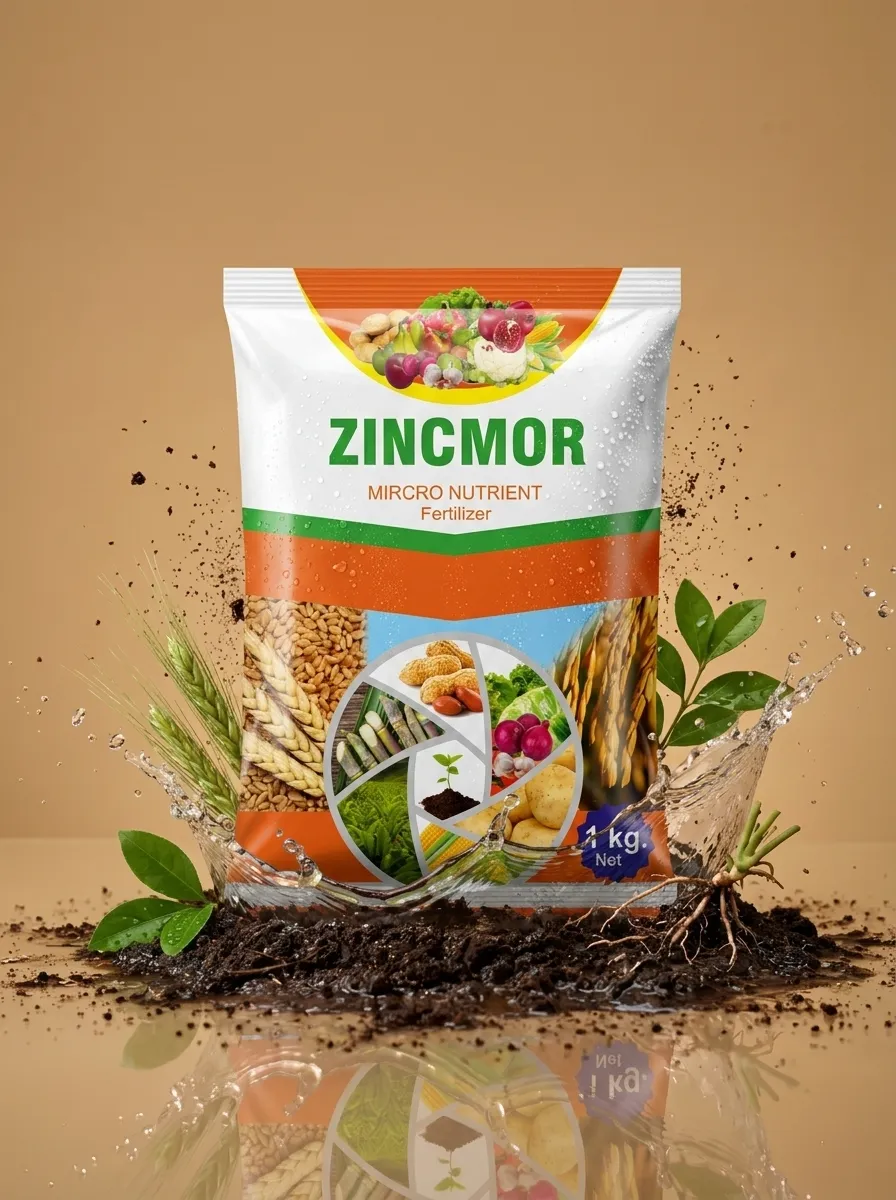
Zincmor
View Details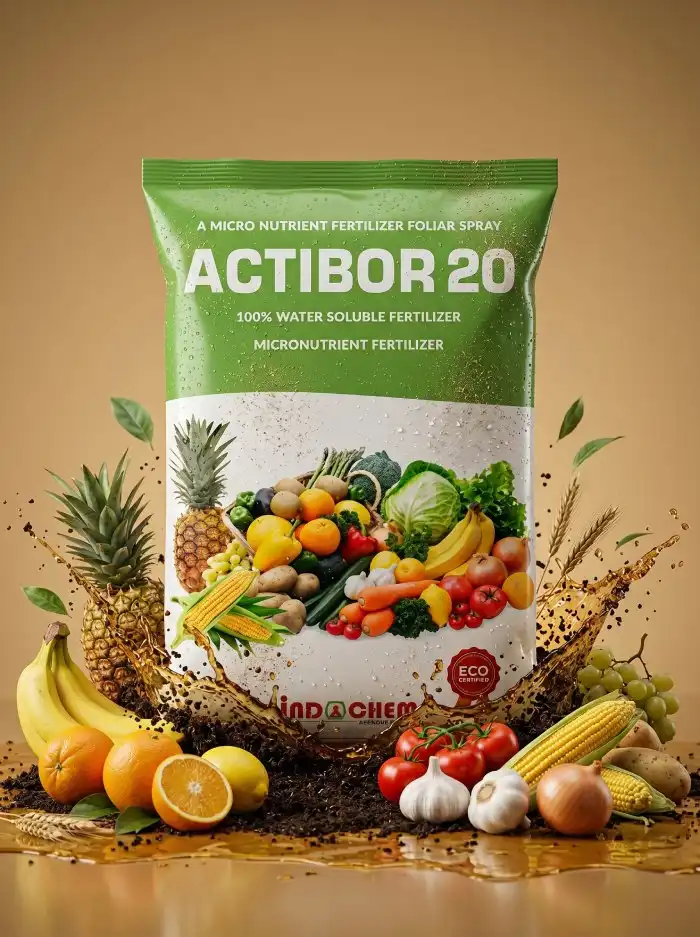
Actibor 20
ACTIBOR 20 FEATURS: ACTIBOR 20 is a micronutrient fertilizer containing Boron 20% It corrects Boron deficiency in plants and soil.…
View Details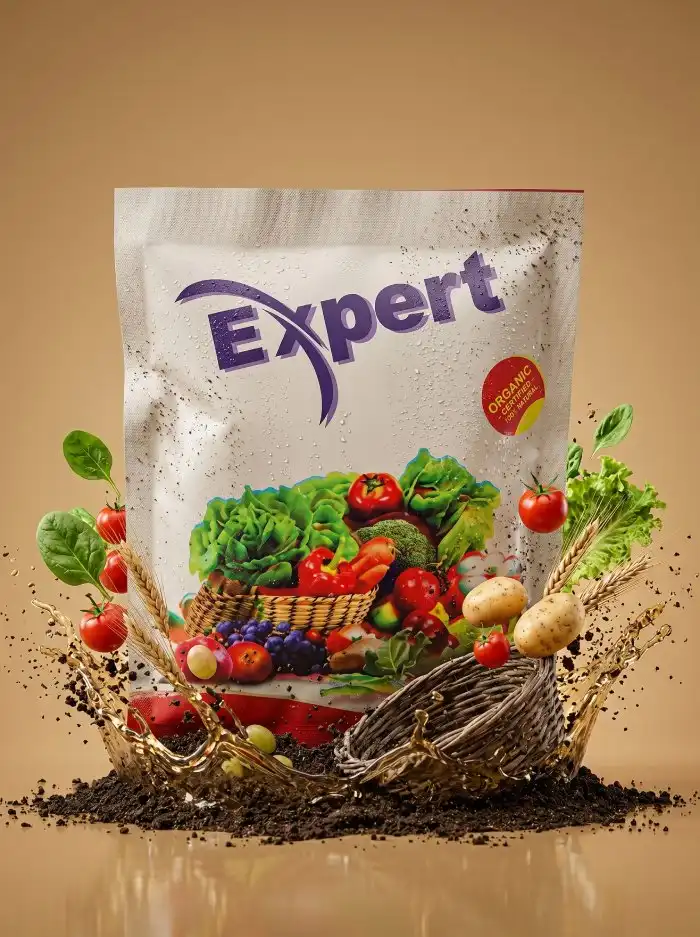
Expert
Expert: The Ultimate Biological Stimulant for Blooming Plants Expert is a powerful biological stimulant and growth promoter for the plants.…
View Details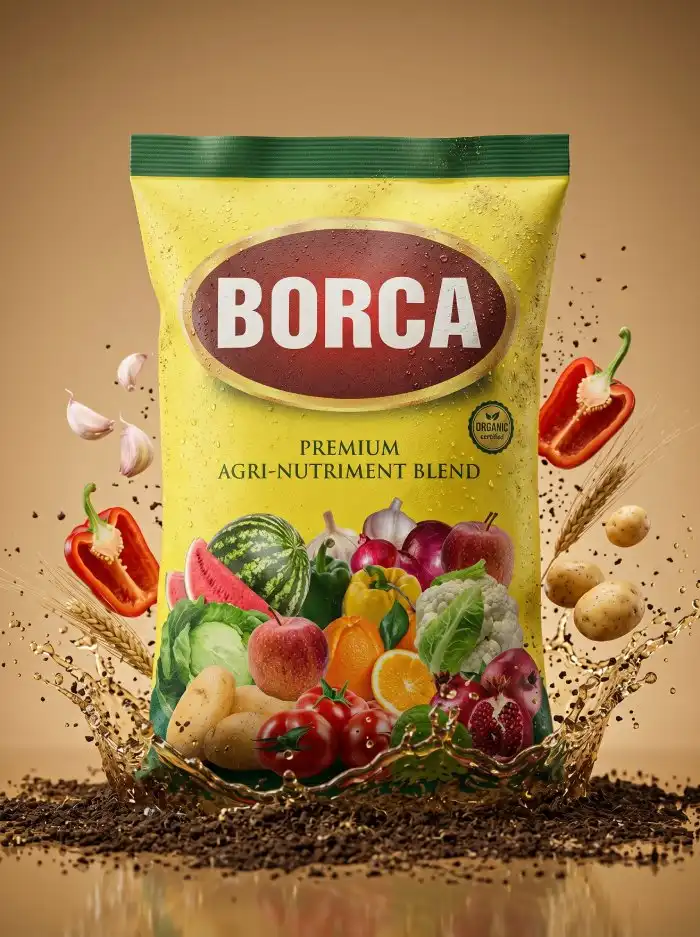
Borca
Borca Enhances Soil and Crop Fertility BORCA is a type of agricultural lime that is commonly used in agriculture to…
View DetailsWhy micronutrients decide the yield ceiling
Crops need zinc, boron, iron, manganese, copper, molybdenum and — depending on the classification used — magnesium and sulphur, in quantities far smaller than nitrogen, phosphorus and potassium. Small does not mean optional. Each of these elements sits at a specific point in plant metabolism: boron in cell-wall formation and pollen viability, zinc in the enzymes governing internode elongation, magnesium at the core of the chlorophyll molecule, iron in chlorophyll synthesis. When one runs short, the process it controls slows, and no amount of extra NPK compensates.
The practical difficulty is that micronutrient shortage is usually a hidden hunger. Long before a farmer sees interveinal chlorosis, deformed fruit or poor grain fill, the crop has already given up yield it will not recover. By the time the symptom is obvious in the field, the loss is largely booked.
Soil type is the strongest predictor
Availability depends heavily on soil chemistry, not just on how much of the element is present. Zinc availability falls in high-pH calcareous soils; iron chlorosis is common on the same soils; boron leaches readily from light sandy soils under heavy rain; the black cotton soils of central and western India crack in summer and hold water in monsoon, which makes uptake unreliable across the season. This is why the same crop needs a different micronutrient programme in different states — and why a soil test, or at minimum an accurate read of your soil type, is worth more than a generic recommendation.
Indochem Agrovet manufactures single-element and multi-micronutrient products, in both soil-applied and water-soluble forms. Which product, at what stage, and at what rate depends on your crop, soil and the deficiency you are correcting; our field team advises on that rather than publishing one dose for every situation.
Frequently asked questions
What are micronutrients in agriculture?
Micronutrients are the elements a crop needs in small quantities — zinc, boron, iron, manganese, copper and molybdenum, along with magnesium and sulphur under some classifications. They are needed in far smaller amounts than nitrogen, phosphorus and potassium, but each one controls a specific process in the plant and a shortage of any of them limits yield.
How do I know if my crop is micronutrient deficient?
A soil test is the reliable answer. Visible symptoms — interveinal yellowing, deformed or poorly filled fruit and grain, stunted growth — appear only after the crop has already lost yield, which is why deficiency is often described as hidden hunger. Soil type is a strong indicator of likely risk: high-pH calcareous soils tend towards zinc and iron shortage, light sandy soils lose boron to leaching.
Can micronutrients replace regular fertilizer?
No. Micronutrients correct specific shortages; they do not supply the bulk nitrogen, phosphorus and potassium a crop needs. They work alongside a main fertilizer programme, not in place of one.
Which micronutrient product should I use?
That depends on which element is short, your crop, your soil type and the growth stage. Contact Indochem Agrovet with your crop and location and our field team will recommend from the range.