
Organic Fertilizers for Healthy Crop
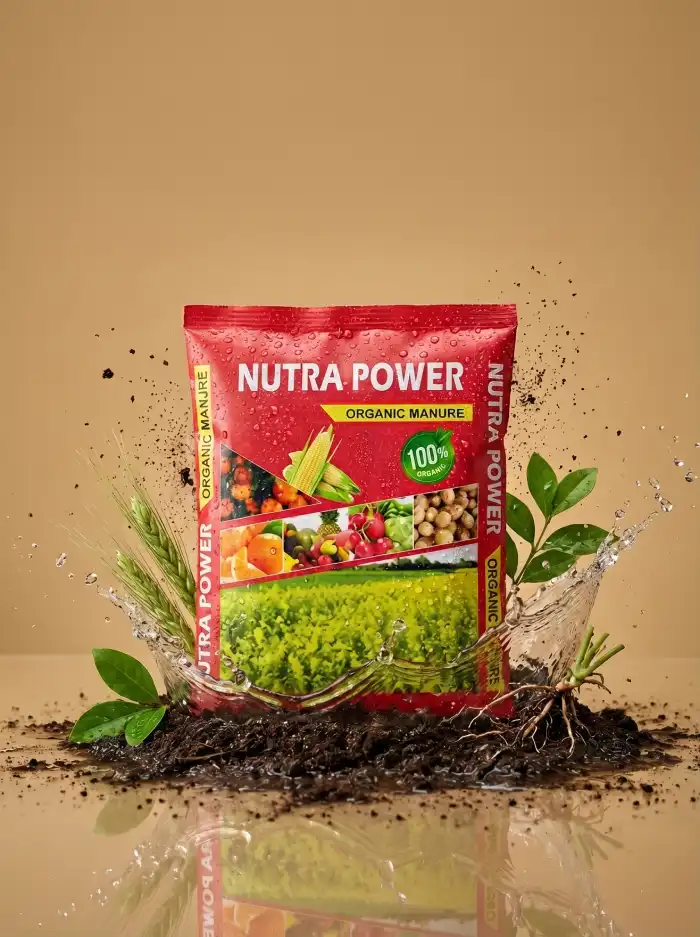
Modern agriculture is rapidly moving toward sustainable and eco-friendly practices, and farmers across the world are recognizing the importance of improving soil health naturally. One of the most effective ways to achieve this is through the use of organic fertilizers that enrich the soil without causing long-term environmental damage. Unlike chemical fertilizers that may provide quick results but degrade soil quality over time, organic alternatives support balanced nutrient availability, improve microbial activity, and enhance water retention in the soil.
Agricultural experts and experienced cultivators now prefer natural farming inputs because they help maintain ecological balance while increasing productivity. Organic farming methods also contribute to safer food production, which is becoming increasingly important for health-conscious consumers. As global demand for residue-free crops continues to grow, farmers are seeking reliable solutions that can boost crop yields naturally while protecting the environment.
Natural fertilizers are derived from plant matter, animal waste, compost, and other biodegradable materials that decompose gradually and release essential nutrients into the soil. This slow-release process ensures long-lasting fertility and minimizes nutrient loss. In addition, these fertilizers strengthen plant roots, improve crop resistance against diseases, and support sustainable agricultural development. By adopting environmentally responsible farming practices, growers can secure better harvests while preserving soil fertility for future generations.
Importance of Sustainable Farming Practices
Sustainable farming has become essential for maintaining long-term agricultural productivity. Excessive dependence on synthetic chemicals often results in soil degradation, nutrient imbalance, and declining crop quality. Farmers are now shifting toward eco-friendly solutions that restore soil vitality naturally.
The use of natural inputs supports beneficial microorganisms in the soil, helping plants absorb nutrients more efficiently. Healthy soil also improves moisture retention and reduces erosion, which is especially beneficial during unpredictable weather conditions. Sustainable farming methods not only protect the environment but also lower dependency on costly chemical products.
Soil Health and Nutrient Balance
Healthy soil is the foundation of successful agriculture. Balanced nutrient levels ensure that crops receive adequate nourishment throughout their growth cycle. Organic matter improves soil texture and increases microbial activity, creating an ideal environment for plant development.
Farmers using organic fertilizers often notice better root growth, improved flowering, and enhanced crop quality. These fertilizers release nutrients gradually, ensuring steady nourishment and reducing the risk of nutrient leaching. Long-term application also improves the soil’s natural fertility and productivity.
Benefits of Natural Fertilizers in Agriculture
Natural fertilizers provide numerous advantages for farmers and agricultural businesses. One of the key benefits is their ability to improve soil structure while supplying essential nutrients such as nitrogen, phosphorus, and potassium. They also encourage the growth of earthworms and beneficial microbes that contribute to soil aeration and nutrient cycling.
Another major advantage is environmental safety. Unlike synthetic products, natural fertilizers reduce the risk of groundwater contamination and harmful chemical residues in crops. They also help reduce greenhouse gas emissions associated with intensive chemical farming.
Enhanced Crop Productivity
Proper nutrient management directly influences crop yield and quality. Natural fertilizers strengthen plant immunity and increase tolerance to environmental stress. Crops grown with organic inputs often show improved taste, texture, and nutritional value.
Farmers can also reduce production costs over time because healthier soil requires fewer corrective treatments. Sustainable nutrient management ensures consistent agricultural output while protecting valuable natural resources.
Choosing the Right Fertilizer for Different Crops
Selecting the right fertilizer depends on crop type, soil condition, and climatic factors. Different crops require different nutrient combinations during various growth stages. Farmers should analyze soil quality before deciding on the most suitable fertilizer option.
Compost-based fertilizers are ideal for vegetable farming, while manure-based products are widely used for cereal and fruit cultivation. Biofertilizers containing beneficial microorganisms can further improve nutrient absorption and plant growth.
Application Techniques for Better Results
Proper application methods are important for maximizing fertilizer efficiency. Farmers should apply fertilizers evenly and follow recommended dosage guidelines to avoid overuse. Mixing natural fertilizers into the soil before planting helps nutrients become readily available to developing roots.
Regular monitoring of crop health and soil condition allows farmers to make necessary adjustments during the growing season. Combining organic practices with efficient irrigation systems can further enhance productivity and sustainability.
Frequently Asked Questions
Q1. What are organic fertilizers?
Organic fertilizers are natural substances derived from plant materials, animal waste, compost, and other biodegradable sources. They improve soil fertility by supplying essential nutrients naturally and enhancing microbial activity in the soil.
Q2. Are organic fertilizers better than chemical fertilizers?
Organic fertilizers are considered more sustainable because they improve long-term soil health without causing harmful chemical buildup. While chemical fertilizers provide quick results, organic options support gradual nutrient release and environmentally friendly farming.
Q3. Can organic fertilizers increase crop yield?
Yes, organic fertilizers can improve crop productivity when used properly. They strengthen root systems, enhance nutrient absorption, and improve soil structure, leading to healthier plants and better-quality harvests.
Q4. Which crops can benefit from organic fertilizers?
Organic fertilizers are suitable for a wide range of crops, including vegetables, fruits, cereals, pulses, flowers, and plantation crops. Different formulations can be selected depending on crop and soil requirements.
Q5. How often should organic fertilizers be applied?
Application frequency depends on soil condition, crop type, and climate. Farmers generally apply organic fertilizers before planting and during key growth stages to maintain consistent nutrient availability.
Q6. Do organic fertilizers improve soil quality?
Yes, they significantly improve soil texture, water retention, microbial activity, and nutrient balance. Continuous use helps restore degraded soil and supports sustainable agriculture for long-term productivity.
Conclusion
The future of agriculture depends heavily on sustainable and environmentally responsible farming practices. Excessive use of synthetic chemicals has created several challenges, including declining soil fertility, environmental pollution, and reduced crop quality. Natural agricultural solutions offer a reliable alternative that supports both productivity and ecological balance.
Using organic fertilizers helps farmers improve soil health, enhance nutrient availability, and increase long-term agricultural sustainability. These fertilizers contribute to stronger plant growth, better resistance against diseases, and improved crop quality without harming the environment. As consumer demand for chemical-free produce continues to rise, sustainable farming methods are becoming increasingly valuable for agricultural success.
Farmers who adopt natural nutrient management practices also benefit economically over time through reduced dependency on expensive chemical inputs and improved soil productivity. In addition, sustainable farming strengthens environmental conservation by reducing pollution and promoting biodiversity. Whether for small-scale cultivation or large agricultural operations, organic farming inputs provide lasting benefits that support profitable and responsible agriculture.
By investing in soil health today, farmers can secure consistent crop yields and preserve fertile land for future generations. Sustainable agriculture is not only a farming practice but also a commitment to protecting natural resources and ensuring food security worldwide.
Grow Better Crops with Organic Fertilizers
Agriculture thrives when the soil remains healthy, fertile, and rich in nutrients. Choosing high-quality organic fertilizers is one of the smartest decisions farmers can make for long-term productivity and environmental sustainability. Natural fertilizers improve soil structure, encourage healthy root development, and support stronger plant growth without causing harmful chemical buildup.
If you are looking for reliable agricultural solutions that combine quality, innovation, and sustainability, Indo Chem Agrovet offers trusted products designed to support modern farming needs. Their advanced agricultural solutions help farmers improve crop quality, enhance soil fertility, and achieve better yields through eco-friendly practices.
Whether you are cultivating vegetables, fruits, cereals, or commercial crops, choosing the right fertilizer partner can make a significant difference in your farming success. Invest in sustainable agriculture today and take a step toward healthier crops and improved profitability with trusted farming solutions from Indo Chem Agrovet