
Organic Farming Tips for Growth
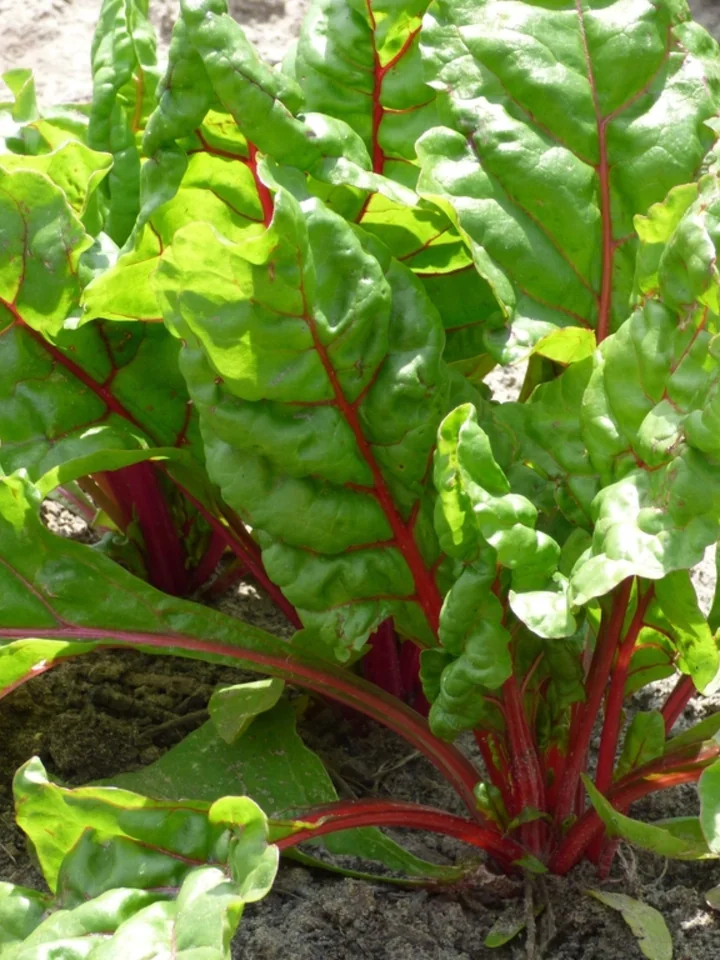
Organic Farming Tips are becoming increasingly important as farmers and agricultural businesses seek environmentally friendly ways to improve productivity while protecting natural resources. Modern agriculture faces challenges such as declining soil fertility, excessive chemical use, pest resistance, and unpredictable climate conditions. These issues have encouraged growers to adopt farming techniques that promote long-term sustainability rather than short-term gains. Organic farming is one of the most effective approaches because it focuses on maintaining healthy soil, encouraging biodiversity, and producing safe, nutritious crops without relying heavily on synthetic fertilizers and pesticides.
By following practical Organic Farming Tips, farmers can improve crop quality while reducing production costs over time. Healthy soil serves as the foundation of successful farming. Organic matter, compost, crop residues, and biofertilizers enrich the soil with essential nutrients while improving its structure and water-holding capacity. Strong, fertile soil naturally supports healthier plants that are more resistant to pests and diseases.
Another important aspect of Sustainable Agriculture Practices is integrated crop management. Crop rotation, intercropping, green manuring, mulching, and biological pest control help maintain ecological balance while reducing dependency on chemical inputs. These practices also increase beneficial microorganisms that contribute to better nutrient cycling and improved crop performance.
Organic farming also benefits consumers by producing food with fewer chemical residues. As awareness about healthy eating continues to grow, the demand for organically cultivated fruits, vegetables, cereals, and pulses has increased significantly across domestic and international markets. This growing demand provides farmers with opportunities to earn better returns while contributing to environmental conservation.
Technological advancements have further strengthened organic agriculture. Today, farmers have access to high-quality biofertilizers, organic micronutrients, plant growth promoters, and biological crop protection solutions that enhance productivity without harming the ecosystem. These innovative agricultural inputs make organic cultivation more practical and profitable than ever before.
Whether managing a small family farm or large commercial fields, implementing the right Organic Farming Tips helps improve soil health, optimize nutrient availability, conserve water, and promote sustainable crop production. With proper planning, quality organic inputs, and consistent farm management, growers can achieve higher yields while preserving natural resources for future generations.
Build Healthy Soil for Stronger Crops
Healthy soil is the backbone of organic farming. Rich organic matter improves soil fertility, aeration, moisture retention, and microbial activity.
To strengthen soil naturally:
- Apply well-decomposed compost.
- Use vermicompost regularly.
- Incorporate green manure crops.
- Add biofertilizers to improve nutrient availability.
- Avoid excessive tillage.
Healthy soil encourages vigorous root growth and enhances nutrient absorption, resulting in stronger and healthier plants.
Practice Effective Crop Rotation
Crop rotation prevents nutrient depletion and interrupts pest and disease cycles.
Effective rotation involves:
- Alternating legumes with cereals.
- Rotating deep-rooted and shallow-rooted crops.
- Including nitrogen-fixing plants.
- Avoiding repeated cultivation of the same crop.
Crop rotation naturally improves soil fertility while reducing dependence on external inputs.
Choose Quality Organic Inputs
Using premium organic agricultural products significantly improves farming success.
Essential organic inputs include:
- Biofertilizers
- Organic manure
- Seaweed extracts
- Plant growth promoters
- Organic micronutrients
- Bio-pesticides
These products improve nutrient efficiency while supporting sustainable crop growth.
Manage Water Efficiently
Water conservation is essential in organic farming.
Useful irrigation methods include:
- Drip irrigation
- Mulching
- Rainwater harvesting
- Proper irrigation scheduling
Efficient irrigation minimizes water waste while maintaining optimum soil moisture throughout the growing season.
Encourage Natural Pest Management
Organic farming emphasizes prevention rather than chemical control.
Effective pest management strategies include:
- Neem-based formulations
- Beneficial insects
- Sticky traps
- Pheromone traps
- Biological pesticides
- Regular crop monitoring
Natural pest management protects crops while preserving beneficial organisms.
Improve Crop Nutrition Naturally
Balanced nutrition supports higher productivity.
Farmers should:
- Apply compost before planting.
- Use biofertilizers during crop establishment.
- Supplement with organic micronutrients.
- Apply plant growth promoters when necessary.
- Monitor nutrient deficiencies regularly.
Balanced nutrition improves flowering, fruit development, and overall crop quality.
Reduce Weed Competition Naturally
Weeds compete for nutrients, water, and sunlight.
Organic weed control methods include:
- Manual weeding
- Mulching
- Cover cropping
- Timely cultivation
- Crop spacing optimization
These techniques reduce weed pressure without chemical herbicides.
Monitor Farm Health Regularly
Successful organic farming requires continuous observation.
Regular monitoring helps farmers:
- Detect nutrient deficiencies.
- Identify pest infestations early.
- Prevent disease spread.
- Improve irrigation management.
- Optimize fertilizer application.
Timely interventions reduce crop losses and improve productivity.
Frequently Asked Questions
What are the biggest benefits of Organic Farming Tips?
Organic farming improves soil fertility, reduces environmental pollution, produces healthier crops, and promotes long-term agricultural sustainability.
Which crops are suitable for organic farming?
Most crops, including cereals, vegetables, fruits, pulses, spices, and plantation crops, can be successfully grown using organic farming methods.
How long does it take to improve soil through organic farming?
Noticeable improvements often appear within one to three growing seasons, depending on soil condition and management practices.
Are biofertilizers better than chemical fertilizers?
Biofertilizers improve natural nutrient availability and soil microbial activity, making them an important component of sustainable farming alongside organic nutrient management.
Can organic farming produce high yields?
Yes. Proper planning, quality organic inputs, balanced nutrition, efficient irrigation, and good crop management can deliver competitive yields while maintaining soil health.
Conclusion
Adopting Organic Farming Tips is one of the smartest investments farmers can make for long-term agricultural success. Organic farming strengthens soil health, promotes biodiversity, conserves natural resources, and produces healthier crops while reducing dependence on synthetic chemicals. By implementing Sustainable Agriculture Practices such as crop rotation, composting, biological pest management, efficient irrigation, and balanced organic nutrition, growers can build resilient farming systems capable of delivering consistent yields year after year. As consumer demand for chemical-free produce continues to increase, organic farming also creates new market opportunities and better profitability. Sustainable farming is not merely an alternative—it represents the future of productive, environmentally responsible agriculture.
Grow Better with Organic Farming Tips from Indochem Agrovet
Looking to achieve healthier crops, stronger soil, and sustainable agricultural success? Organic Farming Tips become even more effective when combined with premium-quality agricultural solutions from Indochem Agrovet.
Visit indochemagrovet.in to explore an extensive range of biofertilizers, organic fertilizers, plant growth promoters, micronutrients, soil conditioners, bio-pesticides, and advanced crop nutrition products designed to improve productivity while protecting the environment. Whether you cultivate cereals, vegetables, fruits, pulses, or commercial crops, Indochem Agrovet offers reliable, research-driven solutions tailored to modern farming needs.
Partner with Indochem Agrovet today and empower your fields with innovative organic agricultural products that support healthier plants, improved yields, enhanced soil fertility, and long-term farming sustainability. Make every harvest more productive with trusted expertise and high-performance organic farming solutions.