
Improve Soil Fertility Naturally
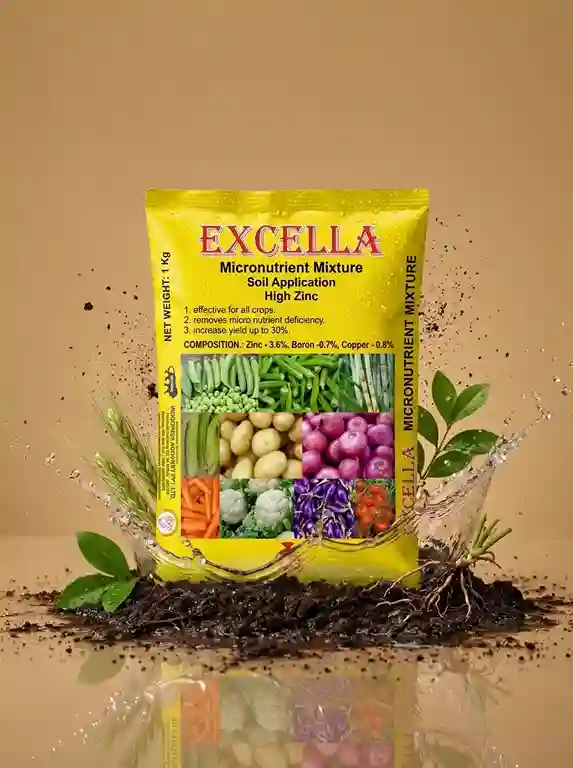
Healthy soil is the foundation of successful farming and gardening. Whether you grow vegetables, fruits, cereals, or ornamental plants, soil quality determines how well your crops perform. Over the years, excessive use of chemical fertilizers, poor irrigation practices, and continuous monocropping have caused a significant decline in soil health across many agricultural regions. As a result, farmers often face reduced crop yields, nutrient deficiencies, and increased production costs. This is why many growers are now focusing on Improve Soil Fertility Naturally as a sustainable and cost-effective solution for long-term agricultural success.
Choosing to Improve Soil Fertility Naturally is more than just an environmentally friendly practice—it is an investment in healthier crops and better productivity. Natural methods enrich the soil with organic matter, improve microbial activity, and create an ideal environment for plant roots to absorb nutrients efficiently. Instead of relying solely on synthetic fertilizers, farmers can restore soil fertility using organic fertilizers, bio-fertilizers, compost, crop residues, green manure, and beneficial microorganisms.
Healthy soil contains a balanced mix of minerals, organic matter, air, water, and living organisms. When these components work together, crops receive the nutrients they need throughout their growth cycle. Natural soil improvement techniques also enhance soil structure, allowing better water retention, reducing erosion, and supporting stronger root development. These benefits contribute to healthier plants that are more resistant to pests, diseases, and environmental stress.
Another important reason to enhance Soil Fertility Naturally is the growing demand for sustainable agriculture. Consumers increasingly prefer food produced through eco-friendly farming practices, encouraging growers to adopt methods that protect natural resources. By maintaining fertile soil naturally, farmers not only improve crop quality but also preserve the land for future generations.
Modern agricultural science strongly supports integrating organic inputs with advanced biological solutions. Bio-fertilizers and plant growth promoters help beneficial microbes thrive in the soil, increasing nutrient availability without harming the environment. When combined with proper crop rotation, mulching, and organic amendments, these practices create a balanced ecosystem that supports continuous crop production.
Ultimately, the decision to Improve Soil Fertility Naturally leads to healthier fields, stronger plants, higher yields, and improved profitability. Sustainable soil management ensures that agricultural land remains productive year after year while reducing dependence on costly chemical inputs. Every farmer can benefit from adopting natural soil enhancement techniques that build long-term soil health and agricultural resilience.
Why Soil Fertility Matters
Soil fertility directly influences crop growth, yield, and quality. Fertile soil provides essential nutrients such as nitrogen, phosphorus, potassium, calcium, magnesium, and micronutrients required for healthy plant development.
Benefits of fertile soil include:
- Better seed germination
- Stronger root systems
- Improved nutrient uptake
- Higher crop productivity
- Enhanced drought tolerance
- Reduced soil erosion
- Better water retention
Choosing to Improve Soil Fertility Naturally ensures these benefits continue for many growing seasons.
Effective Natural Methods to Improve Soil Fertility
Several sustainable practices help restore and maintain soil health naturally.
Add Organic Compost
Compost enriches soil with organic matter while improving texture and moisture retention. It also supports beneficial microorganisms that recycle nutrients.
Use Bio-Fertilizers
Bio-fertilizers introduce beneficial bacteria and fungi that naturally fix nitrogen, dissolve phosphorus, and improve nutrient availability to crops.
Grow Green Manure Crops
Legumes such as cowpea and sunhemp naturally add nitrogen to the soil when incorporated before flowering.
Practice Crop Rotation
Rotating crops prevents nutrient depletion while reducing pest and disease buildup.
Apply Organic Mulch
Mulching conserves soil moisture, regulates temperature, suppresses weeds, and gradually increases organic matter.
Each of these methods helps Improve Soil Fertility Naturally while promoting sustainable farming.
Benefits of Natural Soil Fertility Improvement
Natural soil management provides advantages beyond crop nutrition.
Better Soil Structure
Organic matter improves aeration and root penetration.
Increased Microbial Activity
Healthy microbes convert nutrients into plant-available forms.
Improved Water Management
Organic-rich soils absorb and retain more moisture.
Lower Input Costs
Reduced dependence on synthetic fertilizers lowers farming expenses.
Sustainable Crop Production
Healthy soils remain productive for future generations while supporting environmentally responsible agriculture.
Farmers who Improve Soil Fertility Naturally often experience healthier crops and improved long-term profitability.
Best Practices for Long-Term Soil Health
Maintaining fertile soil requires continuous care.
- Conduct regular soil testing.
- Incorporate crop residues after harvest.
- Avoid excessive chemical fertilizer application.
- Use bio-fertilizers and organic manure together.
- Maintain proper irrigation and drainage.
- Reduce soil compaction through minimal tillage.
- Encourage earthworm activity.
These practices consistently Improve Soil Fertility Naturally while preserving valuable agricultural resources.
Frequently Asked Questions
- Why should I improve soil fertility naturally?
Natural methods enhance soil health, increase crop productivity, and reduce dependence on chemical fertilizers while protecting the environment.
- Which organic material is best for improving soil fertility?
Compost, farmyard manure, vermicompost, green manure, and crop residues are all excellent choices.
- How do bio-fertilizers help soil?
Bio-fertilizers introduce beneficial microorganisms that increase nutrient availability and improve root development.
- Can natural methods replace chemical fertilizers completely?
In many cases, integrated nutrient management combining organic and biological inputs significantly reduces the need for chemical fertilizers.
- How long does it take to improve soil fertility naturally?
Visible improvements may appear within one growing season, while substantial soil health restoration develops over several seasons with consistent management.
Conclusion
Choosing to Improve Soil Fertility Naturally is one of the smartest investments farmers can make for sustainable agriculture. Healthy soil supports stronger root systems, efficient nutrient uptake, better moisture retention, and increased crop productivity. Natural practices such as composting, crop rotation, bio-fertilizers, organic mulching, and green manuring build resilient soils that remain productive for years. Rather than relying solely on synthetic fertilizers, integrating eco-friendly soil management techniques creates a healthier farming ecosystem while lowering production costs. Long-term soil fertility not only benefits current harvests but also protects agricultural land for future generations. By adopting sustainable practices today, growers can ensure consistent yields, healthier crops, and environmentally responsible farming success.
Transform Your Farming with Improve Soil Fertility Naturally
If you’re looking for trusted agricultural solutions to Improve Soil Fertility Naturally, Indochem Agrovet offers a comprehensive range of premium-quality bio-fertilizers, organic fertilizers, plant growth promoters, micronutrients, and sustainable crop nutrition products designed to enhance soil health and maximize crop productivity.
Visit / to discover innovative agricultural solutions that help farmers build fertile soils, increase yields, strengthen crop health, and support environmentally responsible farming. Partner with Indochem Agrovet today and take the next step toward healthier soil, sustainable agriculture, and long-term farming success with advanced natural crop care solutions.