
Green Farming for Better Crops
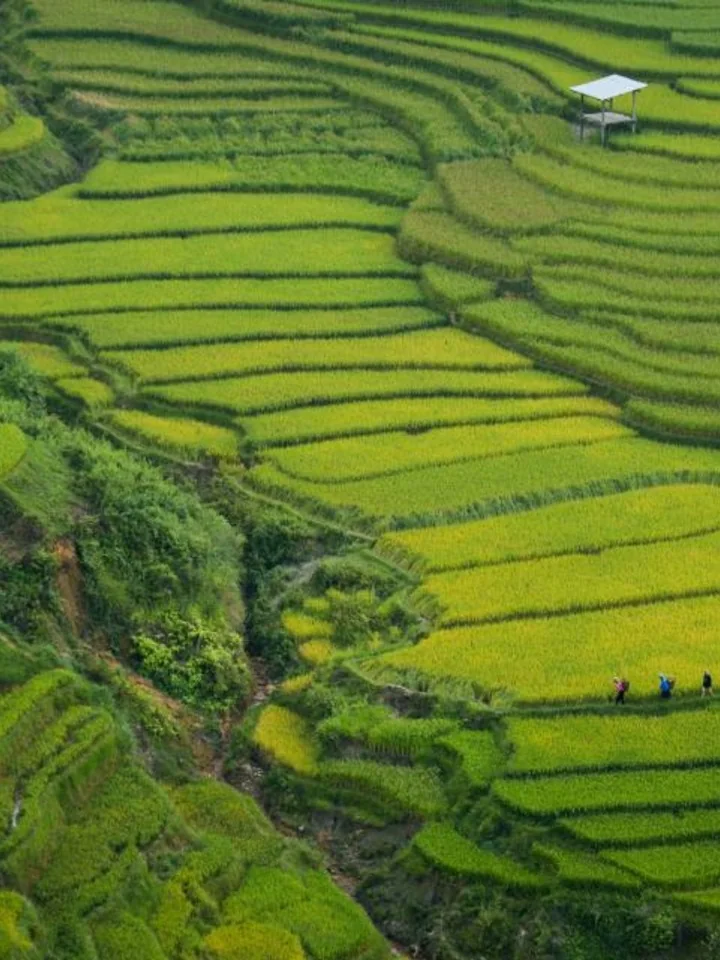
Green Farming is transforming modern agriculture by encouraging environmentally responsible practices that improve crop productivity while preserving natural resources. As farmers face increasing challenges such as declining soil fertility, climate change, water scarcity, and rising production costs, adopting sustainable agricultural methods has become more important than ever. Green farming focuses on reducing chemical dependency, improving biodiversity, protecting soil health, and promoting eco-friendly crop management techniques that ensure long-term agricultural success.
Unlike conventional farming, which often relies heavily on synthetic fertilizers and pesticides, green farming integrates natural inputs such as organic fertilizers, bio-fertilizers, bio-pesticides, compost, and microbial solutions. These eco-friendly alternatives enrich the soil naturally, improve microbial activity, and help plants develop stronger root systems. The result is healthier crops, improved resistance to pests and diseases, and better yields without harming the environment.
Healthy soil is the foundation of successful farming. Green farming encourages practices like crop rotation, organic manure application, conservation tillage, and efficient irrigation systems to maintain soil fertility and reduce erosion. These practices not only improve nutrient availability but also increase water retention, making crops more resilient during drought conditions.
Another major advantage of green farming is environmental conservation. Reduced use of chemical inputs minimizes pollution of rivers, lakes, and groundwater while protecting beneficial insects, pollinators, and wildlife. Farmers also benefit from lower input costs over time, as healthier soils require fewer external resources to remain productive.
Modern consumers increasingly prefer chemical-free, sustainably produced food, creating greater market opportunities for farmers practicing green farming. Sustainable agriculture is becoming a profitable choice as demand for environmentally friendly agricultural products continues to rise in domestic and international markets.
Companies like Indochem Agrovet actively support this agricultural transformation by providing scientifically developed organic fertilizers, bio-fertilizers, plant growth promoters, micronutrients, bio-pesticides, and crop protection products that help farmers achieve higher productivity while protecting natural ecosystems. Their innovative agricultural solutions are designed to improve soil health, strengthen crops, and support environmentally responsible farming practices.
Whether cultivating cereals, fruits, vegetables, pulses, spices, or plantation crops, farmers who adopt Green Farming practices invest in long-term productivity, healthier food production, and environmental sustainability. This approach creates a balanced farming system that benefits farmers, consumers, and future generations alike.
Benefits of Green Farming
Green farming provides numerous long-term advantages for both agriculture and the environment.
Some major benefits include:
- Improves soil fertility naturally.
- Reduces dependence on chemical fertilizers.
- Enhances beneficial microbial activity.
- Produces healthier and safer food.
- Improves water conservation.
- Protects biodiversity.
- Reduces environmental pollution.
- Supports sustainable crop production.
- Improves farm profitability over time.
- Builds resilience against climate change.
Essential Practices for Successful Green Farming
Adopting green farming requires the implementation of sustainable agricultural practices that work together to improve productivity.
These include:
Organic Soil Nutrition
Using compost, organic manure, bio-fertilizers, and microbial inoculants enhances soil structure and nutrient availability while improving beneficial microorganism populations.
Efficient Water Management
Drip irrigation, mulching, and rainwater harvesting reduce water wastage while maintaining optimum moisture levels for crops.
Biological Pest Management
Bio-pesticides, beneficial insects, botanical extracts, and integrated pest management help control pests naturally without damaging the ecosystem.
Crop Rotation
Rotating crops prevents nutrient depletion, interrupts pest cycles, and improves overall soil fertility.
Plant Growth Promotion
Natural plant growth promoters strengthen root development, improve flowering, and enhance fruit formation for better yields.
Why Sustainable Agriculture Matters
Sustainable Agriculture ensures that farming remains productive for future generations.
It helps:
- Preserve fertile farmland.
- Reduce greenhouse gas emissions.
- Improve carbon sequestration.
- Maintain ecological balance.
- Protect groundwater quality.
- Increase long-term crop productivity.
- Support food security.
As climate conditions become increasingly unpredictable, sustainable farming methods provide greater stability and resilience for agricultural systems.
Role of Technology in Green Farming
Modern agriculture combines traditional knowledge with innovative technology.
Farmers now use:
- Soil testing
- Precision nutrient management
- Bio-based crop nutrition
- Weather monitoring
- Smart irrigation systems
- Organic crop protection solutions
These technologies improve efficiency while reducing environmental impact.
Frequently Asked Questions
What is Green Farming?
Green Farming is an environmentally friendly farming system that uses sustainable agricultural practices to improve crop productivity while protecting natural resources.
Is Green Farming profitable?
Yes. Although initial transition may require planning, farmers often benefit from improved soil fertility, lower input costs, premium market prices, and sustainable long-term yields.
Which products are commonly used in Green Farming?
Organic fertilizers, bio-fertilizers, bio-pesticides, organic manures, micronutrients, compost, and plant growth promoters are widely used.
Can Green Farming improve soil fertility?
Absolutely. Green farming increases organic matter, microbial activity, nutrient availability, and soil structure, resulting in healthier and more productive farmland.
Why is Sustainable Agriculture important?
It protects natural resources, improves food safety, conserves biodiversity, reduces pollution, and ensures long-term agricultural productivity.
Conclusion
Building a Sustainable Future Through Green Farming
Green Farming represents the future of agriculture by combining productivity with environmental responsibility. Farmers adopting sustainable agricultural practices can restore soil health, reduce chemical dependency, improve crop quality, and contribute to cleaner ecosystems. As global demand for safe, nutritious, and environmentally friendly food continues to increase, green farming provides both economic opportunities and ecological benefits. By integrating organic inputs, efficient water management, biological crop protection, and responsible farming techniques, growers can create resilient farming systems that deliver consistent yields while preserving valuable natural resources. Sustainable agriculture is not merely an alternative—it is becoming the foundation of modern farming for a healthier planet and prosperous farming communities.
Grow Better with Green Farming Solutions from Indochem Agrovet
Take your farming success to the next level with Green Farming solutions from Indochem Agrovet. As a trusted manufacturer of organic fertilizers, bio-fertilizers, bio-pesticides, plant growth promoters, micronutrients, and eco-friendly agricultural inputs, Indochem Agrovet helps farmers improve soil health, enhance crop productivity, and achieve sustainable agricultural growth. Every product is developed to support healthier crops, stronger roots, improved yields, and long-term environmental protection. Whether you are transitioning to organic farming or strengthening your sustainable farming practices, Indochem Agrovet offers reliable, science-backed solutions tailored to your agricultural needs. Explore the complete range of innovative products and expert agricultural support by visiting indochemagrovet.in and start building a greener, healthier, and more profitable future for your farm today.