
Effective Soil Health Improvement Guide
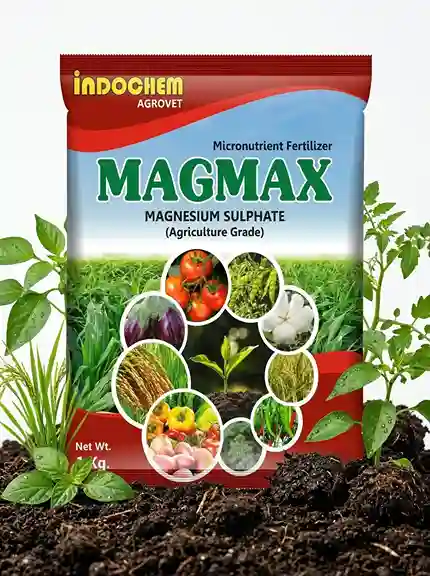
Healthy soil is the foundation of successful farming and sustainable agriculture. Whether you are cultivating cereals, vegetables, fruits, pulses, or commercial crops, maintaining fertile and biologically active soil directly influences crop productivity, plant health, and long-term farm profitability. A well-planned Soil Health Improvement Guide helps farmers understand how to restore soil fertility, improve nutrient availability, increase water retention, and promote beneficial microbial activity. Instead of relying solely on chemical inputs, modern agriculture increasingly focuses on balanced nutrition, organic amendments, bio-fertilizers, and environmentally friendly farming practices to keep soils productive for generations.
Following a comprehensive Soil Health Improvement Guide is essential because soil is a living ecosystem filled with microorganisms, earthworms, fungi, and beneficial bacteria that work together to support plant growth. When soil loses its organic matter or beneficial microbes due to excessive chemical use, erosion, or poor farming practices, crop yields decline, nutrient deficiencies become common, and irrigation efficiency decreases. Healthy soil, on the other hand, improves root development, reduces disease pressure, enhances nutrient uptake, and helps crops withstand drought and environmental stress.
Farmers today face numerous challenges, including declining soil fertility, climate change, water scarcity, and rising cultivation costs. Implementing the recommendations found in a reliable Soil Health Improvement Guide enables growers to rebuild soil structure naturally while reducing dependence on synthetic fertilizers. Practices such as crop rotation, green manuring, compost application, bio-fertilizer use, micronutrient management, and conservation tillage contribute significantly to sustainable agricultural production.
Improving soil health is not a one-time activity but an ongoing process that requires regular monitoring and informed decision-making. Soil testing helps identify nutrient deficiencies, while organic matter additions improve microbial diversity and enhance soil texture. Combining scientific farming methods with high-quality agricultural inputs allows farmers to maximize productivity without compromising environmental sustainability.
This Soil Health Improvement Guide explains the essential practices that every farmer should adopt to improve soil quality, boost crop performance, and ensure long-term agricultural success. By investing in soil today, farmers build a stronger foundation for healthier crops, better yields, and sustainable profits in the years ahead.
Why Soil Health Matters
Healthy soil is much more than a growing medium. It performs several critical functions that determine agricultural success.
Benefits of Healthy Soil
- Improves nutrient availability
- Enhances root growth
- Increases water-holding capacity
- Promotes beneficial microbial activity
- Reduces soil erosion
- Supports higher crop yields
- Improves fertilizer efficiency
- Enhances resistance against diseases
- Reduces environmental pollution
A complete Soil Health Improvement Guide emphasizes maintaining these characteristics through sustainable farming practices.
Signs Your Soil Needs Improvement
Many farmers unknowingly cultivate crops in degraded soils. Identifying the warning signs early helps prevent yield losses.
Common indicators include:
- Poor seed germination
- Yellowing leaves
- Low organic matter
- Hard or compact soil
- Waterlogging after irrigation
- Reduced earthworm population
- Increased fertilizer requirement
- Low crop productivity
Recognizing these symptoms is the first step in following an effective Soil Health Improvement Guide.
Best Practices for Improving Soil Health
Conduct Regular Soil Testing
Testing soil every one to two years provides valuable information about:
- pH levels
- Organic carbon
- Macronutrients
- Micronutrients
- Salinity
- Soil texture
This helps farmers apply nutrients accurately rather than relying on guesswork.
Increase Organic Matter
Organic matter is one of the most important components of healthy soil.
Excellent sources include:
- Farmyard manure
- Compost
- Vermicompost
- Crop residues
- Green manure
- Bio-compost
Organic matter improves soil structure while increasing microbial activity.
Use Bio-Fertilizers
Bio-fertilizers naturally enhance nutrient availability by introducing beneficial microorganisms into the soil.
Advantages include:
- Better nitrogen fixation
- Improved phosphorus solubilization
- Enhanced root growth
- Reduced chemical fertilizer dependence
- Higher nutrient-use efficiency
An effective Soil Health Improvement Guide always recommends integrating bio-fertilizers into crop nutrition programs.
Practice Crop Rotation
Growing the same crop repeatedly depletes specific nutrients and encourages pests.
Rotate crops such as:
- Legumes
- Oilseeds
- Cereals
- Vegetables
Crop rotation naturally restores nutrient balance while improving soil biodiversity.
Manage Soil Moisture Efficiently
Healthy soil stores water more effectively.
Farmers should:
- Use drip irrigation where possible
- Apply mulch
- Avoid over-irrigation
- Improve drainage
- Prevent waterlogging
Proper moisture management supports beneficial microorganisms and healthy root systems.
Reduce Soil Compaction
Heavy machinery and repeated tillage can compact soil, limiting root growth.
Reduce compaction by:
- Minimizing unnecessary tillage
- Using controlled traffic farming
- Adding organic matter
- Avoiding field operations when soil is wet
Loose, well-aerated soil encourages better crop development and microbial activity.
Frequently Asked Questions
- What is the main purpose of a Soil Health Improvement Guide?
It helps farmers improve soil fertility, increase crop productivity, enhance microbial activity, and adopt sustainable farming practices.
- How often should soil be tested?
Soil testing is generally recommended every one to two years or before planting a major crop.
- Why is organic matter important?
Organic matter improves soil structure, increases water retention, enhances microbial activity, and supplies nutrients naturally.
- Are bio-fertilizers better than chemical fertilizers?
Bio-fertilizers complement chemical fertilizers by improving nutrient availability naturally and supporting long-term soil health.
- Can soil health improve crop yields?
Yes. Healthy soil promotes stronger root systems, better nutrient uptake, improved disease resistance, and ultimately higher crop yields.
Conclusion
Following a comprehensive Soil Health Improvement Guide is one of the smartest investments any farmer can make. Healthy soil supports stronger crops, better nutrient efficiency, higher water retention, and increased resilience against environmental stress. Sustainable practices such as soil testing, organic matter application, crop rotation, bio-fertilizer use, and balanced nutrient management work together to restore soil fertility while reducing long-term cultivation costs.
Rather than treating soil as a resource to be exploited, farmers should view it as a living ecosystem that requires continuous care. Consistent improvements in soil health lead to healthier plants, improved yields, and greater profitability season after season. Building fertile soil today ensures sustainable agricultural success for future generations.
Grow Better Crops with Soil Health Improvement Guide Solutions from Indochem Agrovet
Healthy soil is the cornerstone of profitable farming, and the right agricultural inputs make all the difference. At Indochem Agrovet, we provide premium-quality bio-fertilizers, organic fertilizers, micronutrients, plant growth promoters, and innovative crop nutrition solutions designed to improve soil fertility naturally and sustainably.
Whether your goal is to restore depleted soils, enhance microbial activity, improve nutrient uptake, or achieve higher crop yields, our scientifically developed products help farmers build healthier soils and stronger harvests. Backed by years of expertise and a commitment to sustainable agriculture, Indochem Agrovet offers reliable solutions tailored to modern farming needs.
Visit / today to explore our complete range of agricultural products and discover how our Soil Health Improvement Guide solutions can help you cultivate healthier soil, healthier crops, and a more profitable future.