
Crop Protection Products in India: A Complete Guide
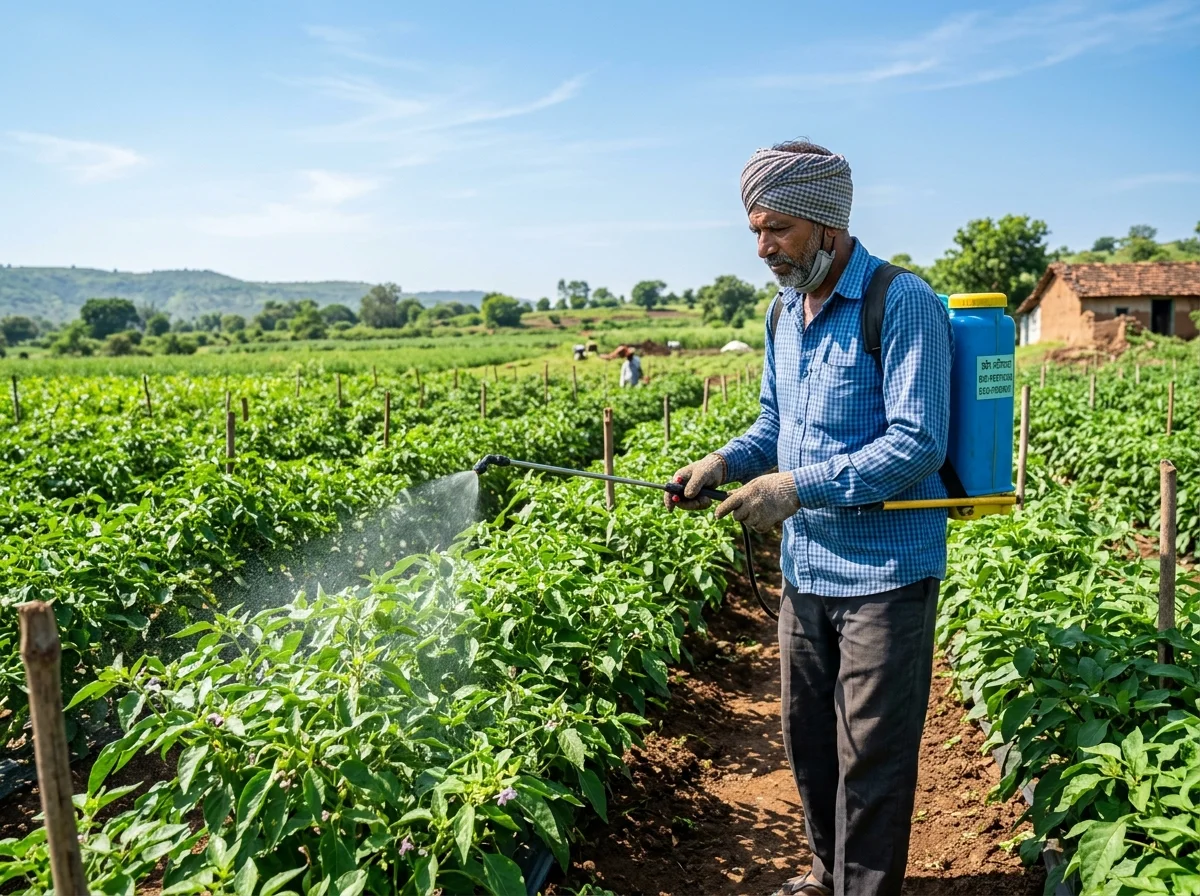
Introduction
Crop protection products in India are an important part of modern agriculture because farmers face various challenges from insects, weeds, fungal diseases, bacterial infections, and other crop threats. India has a diverse agricultural landscape, with different climatic conditions, soil types, and cropping patterns across its states. As a result, farmers need effective crop protection solutions suited to their specific crops and farming conditions.
Crop damage can directly affect yield, quality, and farm income. Insects may attack leaves, stems, roots, flowers, and fruits, while diseases can spread quickly under favorable environmental conditions. Weeds can also compete with crops for water, nutrients, sunlight, and growing space.
The right agricultural crop protection products can help farmers manage these challenges as part of a broader crop management strategy. Depending on the problem, farmers may use insecticides, fungicides, herbicides, bio-pesticides, and biological crop protection solutions.
However, successful crop protection is not simply about using a product. Farmers need to correctly identify the problem, select an appropriate solution, follow recommended application practices, and monitor the crop regularly. Combining crop protection products with good agricultural practices and integrated pest management can support healthier crops and more sustainable farming.
What Are Crop Protection Products?
Crop protection products are agricultural solutions used to prevent, control, or manage organisms and conditions that can harm crops. Their purpose is to reduce crop damage and help plants reach their production potential.
These products can be used at different stages of crop cultivation, depending on the crop and the specific agricultural challenge. Some products target insects, while others are designed to manage fungal diseases or unwanted weeds.
Modern crop protection also includes biological and microbial solutions. These options can complement conventional approaches and form part of an integrated crop management program.
Farmers should select products according to the crop, target problem, growth stage, recommended dosage, and application method. Proper identification of the agricultural problem is an important first step before selecting any crop protection solution.
Types of Crop Protection Products in India
Different crop problems require different approaches. The major categories of crop protection products include the following.
1. Insecticides
Insecticides are used to control or manage harmful insect pests that attack crops. Common agricultural pests can include aphids, thrips, caterpillars, whiteflies, beetles, and other insects.
Insect damage can result in leaf loss, stem damage, poor flowering, fruit damage, and reduced crop quality. Selecting a suitable insecticide based on the identified pest and crop is important for effective management.
Regular field monitoring can help farmers identify insect activity at an early stage and take appropriate action.
2. Fungicides
Fungal diseases are common concerns in many agricultural crops. Depending on the crop and environmental conditions, farmers may encounter diseases that cause leaf spots, blight, mildew, rotting, wilting, or other symptoms.
Fungicides are used to prevent or manage certain fungal diseases. Their effectiveness can depend on correct disease identification, application timing, and recommended usage.
Farmers should not assume that every plant symptom is caused by a fungus because nutrient deficiencies, pests, bacteria, and environmental stress can sometimes produce similar symptoms.
3. Herbicides
Weeds compete with cultivated plants for essential resources such as water, nutrients, sunlight, and space. Heavy weed infestation can interfere with crop growth and reduce agricultural productivity.
Herbicides are designed to help manage unwanted vegetation. Different products may target different weed species and may be suitable for particular crops or application stages.
Proper product selection and application timing are important because inappropriate herbicide use can affect crops and surrounding vegetation.
4. Bio-Pesticides
Bio-pesticides are derived from biological sources and are increasingly included in sustainable crop protection programs. They may contain microorganisms, naturally occurring substances, or plant-derived materials that help manage certain agricultural pests.
Bio-pesticides can be useful as part of integrated pest management when selected and applied according to the specific crop and pest situation.
5. Biological Crop Protection Solutions
Biological crop protection uses beneficial organisms or naturally occurring biological processes to manage agricultural pests and diseases.
These solutions can complement other crop protection practices and may help farmers develop more integrated approaches to crop management.
Why Are Crop Protection Products Important for Indian Agriculture?
India's wide range of agricultural conditions means farmers encounter different pest, disease, and weed challenges. Effective crop protection can therefore play an important role in maintaining crop health.
Protects Crops From Pests
Insect pests can damage crops at different stages of development. Early identification and appropriate management can help minimize damage and protect valuable crops.
Helps Manage Crop Diseases
Crop diseases can spread rapidly, especially when environmental conditions favor their development. Appropriate disease management can help protect plants and reduce potential crop losses.
Controls Weed Competition
Uncontrolled weeds can consume nutrients and water that would otherwise be available to crops. Weed management helps reduce competition and allows cultivated plants to develop more effectively.
Supports Crop Yield
Healthy plants generally have a better opportunity to produce a productive harvest. Effective crop protection can help reduce damage caused by major pests, diseases, and weeds.
Improves Crop Quality
Crop protection is not only about yield. Pest and disease damage can also affect the appearance, quality, and marketability of agricultural produce. Protecting crops can help farmers work toward better-quality harvests.
How to Choose the Right Crop Protection Product
Selecting the right product requires an understanding of the actual crop problem. Farmers should consider several factors before application.
Identify the Pest or Disease
The first step is to identify what is affecting the crop. Different insects and diseases may require different management approaches.
If the cause of the problem is uncertain, farmers can seek advice from qualified agricultural professionals rather than applying products without proper identification.
Consider the Crop
A product that is suitable for one crop may not be appropriate for another. Crop-specific recommendations should always be considered before application.
Check the Growth Stage
Crop protection requirements can change during germination, vegetative growth, flowering, fruit development, and harvesting stages. Timing can therefore have an important influence on crop protection.
Follow the Recommended Dosage
Using excessive quantities does not necessarily provide better protection. Farmers should follow the manufacturer's instructions, product label, and recommended application rate.
Consider Integrated Pest Management
Integrated Pest Management, commonly known as IPM, combines multiple approaches to manage pests responsibly.
These approaches may include field monitoring, cultural practices, biological control, mechanical methods, resistant varieties, and carefully selected crop protection products.
Crop Protection for Different Indian Crops
Different crops face different agricultural challenges, so crop protection strategies should be crop-specific.
Rice
Rice is one of India's major food crops and can be affected by insects, diseases, and weeds. Regular field observation and timely management can help farmers address crop problems during important growth stages.
Wheat
Wheat cultivation can involve challenges from weeds, insects, and diseases. Proper field management and suitable crop protection practices can help maintain healthy plant development.
Cotton
Cotton can be affected by several insect pests during its growing season. Monitoring fields regularly can help farmers identify pest activity and determine appropriate management measures.
Vegetables
Vegetable crops can be vulnerable to insects, fungal diseases, bacterial problems, and weeds. Since many vegetables have relatively short production cycles, timely crop monitoring is especially important.
Fruits
Fruit crops may experience pest and disease problems affecting leaves, flowers, stems, and fruits. Crop-specific protection strategies can help maintain plant health and produce quality.
Importance of Responsible Crop Protection
Responsible use of crop protection products is essential for effective and sustainable agriculture. Farmers should identify the agricultural problem before selecting a product and follow all applicable label instructions and safety recommendations.
Unnecessary or excessive product use can increase farming costs and may contribute to resistance or environmental concerns. Therefore, crop protection should be based on actual need and regular field monitoring.
Farmers can also combine crop protection products with preventive practices such as crop rotation, field sanitation, proper irrigation, balanced nutrition, resistant varieties, and biological control.
This integrated approach can support more efficient crop management.
Role of Sustainable Crop Protection in Modern Farming
Sustainable agriculture aims to maintain productivity while protecting natural resources for future generations. Crop protection is an important part of this broader objective.
Modern farmers are increasingly exploring approaches that combine conventional crop protection with biological products and integrated pest management. Such strategies can help reduce unnecessary interventions while maintaining effective pest and disease management.
Practices such as crop rotation, proper field sanitation, regular scouting, biological control, and appropriate product selection can all contribute to sustainable crop protection.
The growing interest in biological and eco-conscious agricultural solutions also provides farmers with additional options for managing specific crop challenges.
How Crop Protection Supports Better Farm Management
Crop protection should be considered a part of an overall farm management strategy. Regular field inspections can help farmers detect insects, diseases, and weeds before they become severe.
Early detection can make management more timely and may help reduce potential crop losses. Farmers can also maintain records of pest activity, crop stages, weather conditions, and previous crop protection applications.
Such information can help farmers make more informed decisions during future cultivation cycles.
Using crop protection products together with proper irrigation, balanced crop nutrition, good-quality planting material, and appropriate cultivation practices can create a more complete approach to crop management.
Conclusion
Crop protection products in India play an important role in helping farmers manage insects, diseases, weeds, and other threats that can affect agricultural production. Insecticides, fungicides, herbicides, bio-pesticides, and biological solutions each have specific roles within crop management.
However, the right product should always be selected according to the crop, identified problem, growth stage, and recommended application practices. Responsible use is essential for protecting crops while supporting sustainable farming.
By combining suitable agricultural crop protection products with regular field monitoring, integrated pest management, proper crop nutrition, and good agricultural practices, farmers can develop a more effective approach to maintaining crop health and productivity.
Frequently Asked Questions
1. What are crop protection products?
Crop protection products are agricultural solutions used to manage pests, diseases, weeds, and other threats that can negatively affect crop health, quality, and productivity.
2. What are the main types of crop protection products?
The major types include insecticides, fungicides, herbicides, bio-pesticides, and biological crop protection solutions.
3. How do farmers choose the right crop protection product?
Farmers should consider the crop, pest or disease identified, growth stage, field conditions, recommended dosage, and application instructions before selecting a product.
4. Are bio-pesticides useful for crop protection?
Yes. Bio-pesticides can be incorporated into integrated crop protection programs and may provide biological options for managing specific agricultural pests.
5. Why is integrated pest management important?
Integrated Pest Management combines monitoring, preventive practices, biological methods, cultural techniques, and appropriate crop protection products to manage pests in a more balanced and responsible way.
Choose Fortis for Better Soil Health
Healthy crops begin with healthy soil. Fortis from Indochem Agrovet is a natural soil conditioner designed to support soil fertility, improve soil structure, and help address sulphur and magnesium deficiencies. It can also help with soil pH correction and nutrient availability, supporting healthier plant growth and better crop performance.
If you are looking for a reliable solution to improve soil health as part of your crop management program, explore Fortis by Indochem Agrovet.
👉 Explore Fortis — Soil Fertility & Plant Nutrition
Grow healthier crops with better soil. Choose Fortis with Indochem Agrovet.
Strengthen Crop Defense with Indochem Agrovet
Discover biological fungicides, neem-based crop protectants, and soil conditioners formulated to safeguard crops responsibly while maximizing harvest quality.