
Bio Solutions Strengthen Crops
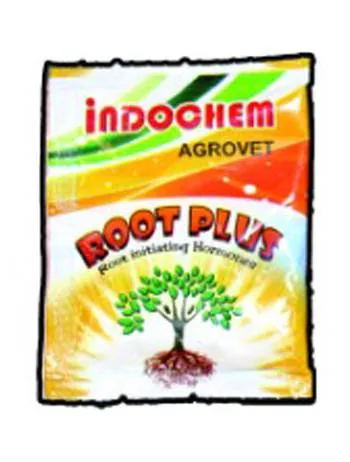
Modern agriculture faces increasing challenges, including soil degradation, pest attacks, changing weather patterns, and the need to produce higher yields while maintaining environmental balance. Farmers today are actively seeking sustainable methods that can improve crop performance without causing long-term harm to the ecosystem. One of the most effective approaches gaining widespread acceptance is the use of Bio Solutions in farming systems. These biological products help improve plant vigor, enhance nutrient availability, support soil health, and strengthen natural defense mechanisms against various stresses.
Unlike conventional chemical-intensive approaches, bio-based agricultural inputs work in harmony with nature. They utilize beneficial microorganisms, natural extracts, and biological compounds to create a healthier growing environment for crops. As a result, plants become more resilient and productive throughout their growth cycle.
The growing awareness about sustainable farming practices has encouraged agricultural experts and farmers alike to adopt innovative biological technologies. These solutions not only support crop growth but also contribute to long-term soil fertility and environmental conservation. As consumer demand for safer and responsibly grown produce continues to rise, bio-based agricultural practices are becoming increasingly important.
With the right implementation, biological inputs can significantly improve farm productivity while reducing dependence on synthetic products. This balanced approach helps farmers achieve economic benefits while preserving valuable natural resources for future generations.
The Growing Importance of Biological Farming Inputs
Building Stronger Plant Immunity
Healthy plants possess a greater ability to withstand environmental stress and disease pressure. Biological inputs enhance plant immunity by stimulating natural defense mechanisms within crops. Beneficial microorganisms establish protective relationships with roots, helping plants absorb nutrients more efficiently and resist harmful pathogens.
These natural interactions contribute to stronger root systems, healthier foliage, and improved overall crop performance throughout the growing season.
Improving Soil Health Naturally
Soil health forms the foundation of successful agriculture. Biological products encourage microbial diversity within the soil ecosystem, creating favorable conditions for nutrient cycling and organic matter decomposition.
Healthy soil supports:
- Better water retention
- Enhanced nutrient availability
- Improved root development
- Increased microbial activity
- Greater long-term fertility
Farmers who prioritize soil biology often experience more consistent crop growth and better resilience against environmental stress.
Enhancing Farm Productivity Through Sustainable Practices
Better Nutrient Utilization
One of the key advantages of biological farming inputs is their ability to improve nutrient efficiency. Beneficial microbes help convert unavailable nutrients into forms that plants can easily absorb.
This process reduces nutrient wastage and supports balanced crop development. When plants receive nutrients more effectively, they demonstrate stronger growth, healthier leaves, and increased productivity.
Supporting Crop Protection
Biological technologies play a valuable role in modern Crop Protection strategies. Certain beneficial microorganisms can suppress harmful pathogens and create protective barriers around plant roots.
This natural defense system helps reduce crop losses while supporting sustainable agricultural production. Farmers can integrate biological products into existing management programs to strengthen crop resilience against various threats.
Key Benefits of Bio-Based Agricultural Solutions
Environmental Sustainability
Biological inputs contribute to environmentally responsible farming by reducing excessive dependence on synthetic chemicals. Their natural mode of action supports ecological balance and promotes biodiversity within agricultural landscapes.
Long-Term Soil Productivity
Continuous use of biological products helps maintain healthy soil ecosystems. Improved microbial activity supports nutrient cycling and enhances soil structure over time.
Enhanced Crop Quality
Healthy crops often produce better-quality harvests. Biological farming inputs contribute to uniform growth, improved plant vigor, and enhanced overall crop performance.
Economic Advantages
By improving nutrient efficiency and strengthening plant health, biological products can help farmers optimize production costs while supporting sustainable yield improvements.
Integrating Biological Solutions into Modern Farming
Start with Soil Assessment
Understanding soil conditions helps farmers select suitable biological products for specific crop requirements. Soil testing provides valuable insights into nutrient status and microbial activity.
Combine Multiple Approaches
The most effective biological farming programs often combine various beneficial inputs, including microbial inoculants, biofertilizers, and natural growth stimulants. This integrated approach creates a comprehensive support system for crops.
Monitor Crop Performance
Regular field observations help farmers evaluate the effectiveness of biological inputs and make informed management decisions throughout the season.
By adopting a strategic approach, growers can maximize the benefits of biological technologies while improving farm sustainability and productivity.
FAQ
What are biological farming inputs?
Biological farming inputs are products derived from natural organisms or biological processes that support plant growth, soil health, and sustainable agricultural production.
How do biological products improve crop growth?
They enhance nutrient availability, stimulate root development, improve microbial activity, and strengthen natural plant defense systems.
Are biological solutions environmentally friendly?
Yes. Most biological products are designed to work naturally within agricultural ecosystems, helping reduce environmental impact while supporting crop productivity.
Can biological inputs replace conventional agricultural products?
Biological products are often used as part of an integrated farming strategy. Depending on crop requirements and farm conditions, they may complement or reduce the need for certain conventional inputs.
Do biological products improve soil fertility?
Yes. Many biological inputs support beneficial microbial populations that contribute to nutrient cycling, organic matter decomposition, and long-term soil health.
Are biological solutions suitable for all crops?
Most biological products can be adapted for use across a wide range of crops, including cereals, fruits, vegetables, pulses, and plantation crops. Product selection should be based on crop needs and local growing conditions.
Conclusion
The future of agriculture depends on finding effective ways to increase productivity while preserving environmental resources. Biological farming innovations provide a practical pathway toward achieving this balance. By strengthening soil ecosystems, improving nutrient utilization, and enhancing plant resilience, Bio Solutions are transforming the way modern agriculture approaches sustainable production.
Farmers across the world are recognizing the value of integrating biological technologies into their crop management programs. These solutions support healthier root systems, improved soil fertility, and stronger natural defenses against environmental stress. As agricultural challenges continue to evolve, biological inputs offer flexible and environmentally responsible tools that help growers adapt successfully.
The benefits extend beyond immediate crop performance. Long-term improvements in soil quality, microbial diversity, and ecosystem health contribute to sustainable farming systems capable of supporting future generations. Furthermore, biological technologies align with increasing consumer expectations for responsibly produced food and environmentally conscious agricultural practices.
The adoption of biological products is no longer simply an alternative approach—it is becoming an essential component of progressive agriculture. When combined with sound agronomic practices and effective Crop Protection strategies, these innovations help create resilient farming systems that deliver productivity, profitability, and sustainability. By embracing biological advancements today, farmers can build stronger, healthier, and more productive agricultural operations for years to come.
Empower Your Farm with Advanced Bio Solutions
Agricultural success begins with healthier soil, stronger plants, and sustainable farming practices. As the demand for environmentally responsible agriculture continues to grow, innovative biological technologies are helping farmers achieve superior productivity while protecting valuable natural resources.
At Indochem Agrovet, we are committed to supporting modern farmers with high-quality agricultural inputs designed to enhance crop performance and promote long-term farm sustainability. Our expertise, research-driven approach, and dedication to agricultural excellence make us a trusted partner for growers seeking effective biological farming solutions.
Whether your goal is improving soil fertility, enhancing nutrient efficiency, strengthening plant resilience, or optimizing overall crop health, the right biological products can make a significant difference. Investing in advanced biological technologies today can help create healthier fields, stronger harvests, and better returns tomorrow.
Take the next step toward sustainable agricultural success and discover innovative farming solutions tailored to your needs.
Visit: /
Explore our products, learn more about sustainable farming innovations, and connect with our agricultural experts to unlock the full potential of your farm.