
Bio Pesticides for Better Harvests
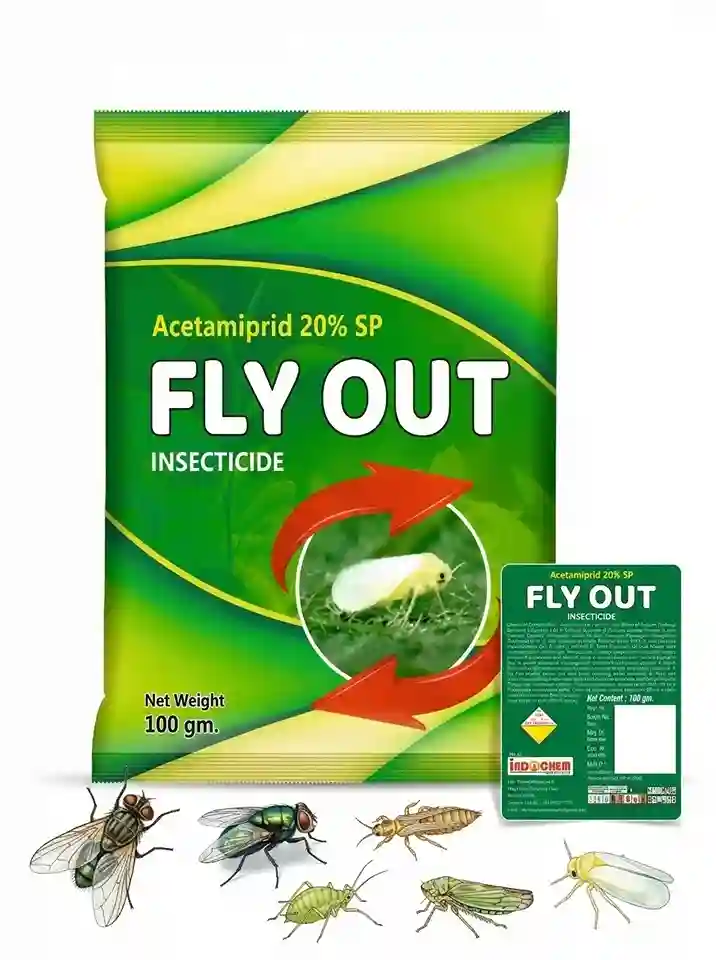
Bio Pesticides for Healthy Crops are becoming one of the most trusted solutions for farmers who want to protect their crops without relying heavily on synthetic chemicals. As agriculture continues to evolve, growers are increasingly searching for environmentally responsible methods that maintain soil fertility, improve crop quality, and reduce harmful chemical residues. This is where Bio Pesticides for Better Crops play a transformative role. Derived from natural organisms such as bacteria, fungi, plants, and beneficial microbes, bio pesticides offer targeted protection against pests while preserving beneficial insects and the surrounding ecosystem.
Modern farming faces numerous challenges, including pest resistance, declining soil health, climate change, and increasing consumer demand for residue-free food. Conventional pesticides often provide immediate pest control but may negatively impact pollinators, soil microorganisms, and water quality when used excessively. In contrast, Bio Pesticides for Healthy Crops work in harmony with nature by controlling pests through biological mechanisms rather than harsh chemicals. This makes them an ideal choice for sustainable and integrated pest management practices.
Another significant advantage of Bio Pesticides for Healthy Crops is their compatibility with organic farming systems. Farmers adopting organic cultivation depend on natural crop protection products that comply with environmental standards while ensuring healthy plant growth. Bio pesticides also help reduce the risk of pest resistance because they often use multiple biological modes of action instead of a single chemical pathway.
The growing awareness among consumers regarding food safety has further increased the demand for crops grown using environmentally friendly methods. Farmers who use Bio Pesticides for better Crops can improve market value, strengthen soil biodiversity, and contribute to long-term agricultural sustainability. Whether cultivating cereals, fruits, vegetables, pulses, spices, or plantation crops, bio pesticides provide an effective solution for maintaining healthy yields without compromising ecological balance.
Choosing high-quality bio pesticide products from a trusted manufacturer is equally important. Proper application timing, correct dosage, and integrated crop management practices maximize their effectiveness. As agricultural technologies continue to improve, bio pesticides are becoming more efficient, affordable, and accessible to farmers of every scale.
Ultimately, Bio Pesticides for Healthy Crops represent a smart investment for growers seeking healthier plants, safer food production, improved soil health, and sustainable farming practices that benefit both present and future generations.
Why Bio Pesticides Are Essential for Healthy Farming
The adoption of Bio Pesticides for Thriving Crops has increased significantly because they provide effective pest control while minimizing environmental impact. Unlike chemical pesticides, bio pesticides target specific pests without harming beneficial organisms like bees, butterflies, and earthworms.
Key benefits include:
- Eco-friendly pest management
- Lower chemical residues
- Improved soil health
- Safer food production
- Reduced pest resistance
- Better environmental sustainability
These advantages make bio pesticides an excellent choice for both conventional and organic farming systems.
Types of Bio Pesticides Used in Agriculture
Different categories of Bio Pesticides for Healthy Crops address various pest problems.
Microbial Bio Pesticides
These contain naturally occurring bacteria, fungi, viruses, or protozoa that specifically attack harmful insects and plant pathogens.
Botanical Bio Pesticides
Plant extracts such as neem, garlic, and other herbal ingredients naturally repel insects while remaining safe for beneficial organisms.
Biochemical Bio Pesticides
These include naturally occurring compounds that interfere with insect feeding, reproduction, or growth without causing environmental damage.
Selecting the appropriate bio pesticide depends on crop type, pest population, climate, and farming practices.
Benefits of Using Bio Pesticides for Healthy Crops
Regular use of Bio Pesticides for Disease-Free Crops provides long-term agricultural advantages.
Protects Beneficial Insects
Pollinators and natural predators remain safe, helping maintain ecological balance.
Improves Soil Fertility
Beneficial microorganisms continue thriving, improving nutrient availability and soil structure.
Reduces Chemical Dependence
Farmers gradually decrease synthetic pesticide usage while maintaining crop productivity.
Supports Sustainable Farming
Bio pesticides promote environmentally responsible farming methods that preserve biodiversity and natural resources.
Enhances Crop Quality
Healthier plants produce better-quality fruits, vegetables, grains, and commercial crops with reduced pesticide residues.
Best Practices for Maximum Effectiveness
To obtain the best results from Bio Pesticides for Pest-Free Crops, farmers should follow proper management practices.
- Identify pests accurately before application.
- Apply products during recommended weather conditions.
- Follow manufacturer dosage instructions.
- Rotate biological products when necessary.
- Combine with Integrated Pest Management (IPM).
- Monitor fields regularly for pest activity.
Consistent monitoring ensures timely intervention and better pest control.
Frequently Asked Questions
- What are bio pesticides?
Bio pesticides are natural pest control products derived from microorganisms, plants, or naturally occurring substances that protect crops with minimal environmental impact.
- Are bio pesticides safe for humans?
Yes. When used according to recommendations, Bio Pesticides for Healthy Crops are generally safer than many conventional chemical pesticides.
- Can bio pesticides replace chemical pesticides?
In many situations, bio pesticides significantly reduce chemical pesticide use and work effectively as part of Integrated Pest Management programs.
- Which crops benefit from bio pesticides?
They are suitable for cereals, vegetables, fruits, pulses, spices, oilseeds, plantation crops, and horticultural crops.
- Do bio pesticides improve soil health?
Yes. They preserve beneficial microorganisms and promote healthier soil ecosystems, leading to improved crop productivity over time.
Conclusion
Bio Pesticides for Organic Crops have become an essential component of modern sustainable agriculture. They provide reliable pest management while protecting beneficial insects, preserving soil fertility, and minimizing environmental pollution. As farmers increasingly adopt eco-friendly cultivation practices, bio pesticides offer an effective balance between productivity and sustainability. Their targeted action, reduced chemical residues, and compatibility with integrated farming systems make them a preferred solution for long-term agricultural success. By selecting quality products and following recommended application practices, growers can protect crops efficiently while improving overall farm health. Investing in Bio Pesticides for Healthy Crops not only enhances yields but also contributes to safer food production, healthier ecosystems, and a more sustainable future for agriculture.
Choose Premium Bio Pesticides for Healthy Crops with Indochem Agrovet
If you’re looking for reliable, eco-friendly, and scientifically developed Bio Pesticides for Sustainable Crops, Indochem Agrovet offers a comprehensive range of innovative agricultural solutions designed to maximize crop protection and productivity. Their high-quality bio pesticides are formulated to effectively control pests while maintaining soil health, protecting beneficial microorganisms, and supporting sustainable farming practices. Whether you cultivate vegetables, fruits, cereals, pulses, plantation crops, or horticultural plants, Indochem Agrovet provides trusted products backed by agricultural expertise and consistent quality. Visit / today to explore advanced biological crop protection solutions, improve farm profitability, and embrace environmentally responsible agriculture for healthier crops and long-term farming success.