
Bio Fertilizer Usage Guide
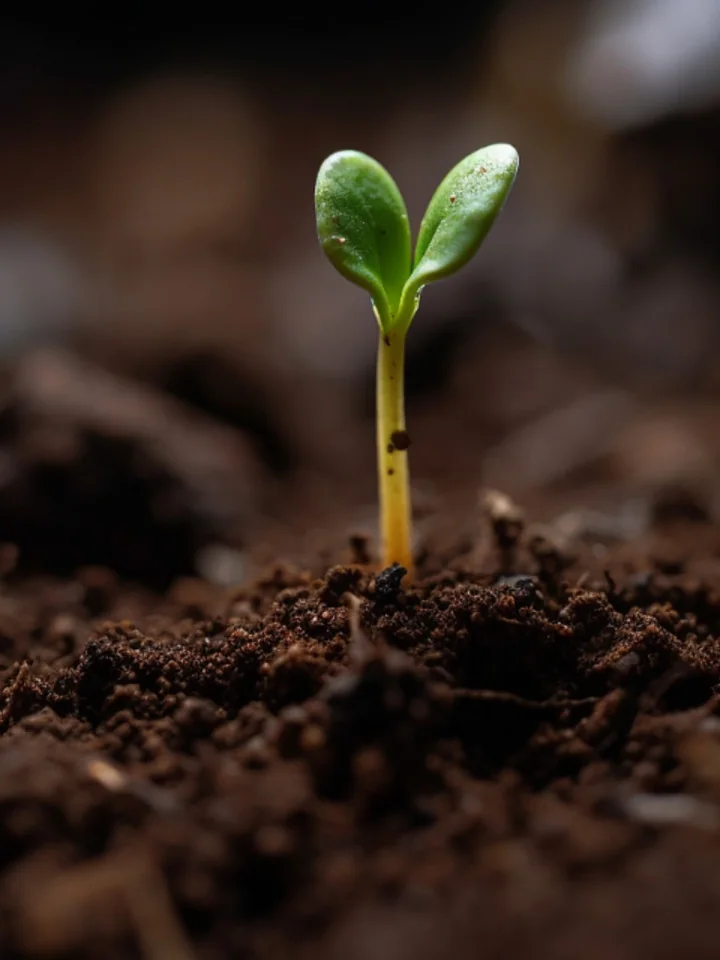
Bio Fertilizer Usage has become one of the most effective approaches for improving crop productivity while maintaining long-term soil health. As agriculture moves toward sustainable and environmentally responsible practices, farmers are increasingly replacing excessive chemical fertilizers with biological alternatives that naturally enrich the soil. Bio fertilizers contain beneficial microorganisms that help convert unavailable nutrients into forms that plants can easily absorb. This natural process improves plant growth, strengthens root development, and enhances overall crop performance without harming the environment.
Unlike synthetic fertilizers that often provide short-term results while gradually degrading soil quality, bio fertilizers improve the biological activity of the soil. These living microorganisms, including nitrogen-fixing bacteria, phosphate-solubilizing bacteria, and mycorrhizal fungi, work in harmony with plant roots to increase nutrient availability. As a result, crops become healthier, more resistant to diseases, and better equipped to withstand environmental stress such as drought and poor soil conditions. Organic Soil Fertility also improves significantly through consistent use of bio fertilizers, making farmland more productive over time.
Modern farmers are no longer focused only on maximizing immediate yields. They also recognize the importance of preserving soil fertility for future generations. Bio Fertilizer Usage supports this goal by promoting balanced microbial activity, improving soil texture, increasing water retention, and reducing nutrient loss. It also lowers dependence on chemical fertilizers, helping farmers reduce cultivation costs while producing healthier crops.
Bio fertilizers are suitable for cereals, vegetables, fruits, pulses, oilseeds, plantation crops, and horticultural plants. They can be applied through seed treatment, soil application, root dipping, or drip irrigation, depending on the crop and farming practice. Their versatility makes them an ideal solution for both small-scale and commercial agriculture.
Another major advantage is environmental sustainability. Since bio fertilizers are made from naturally occurring microorganisms, they reduce groundwater contamination, improve biodiversity, and contribute to climate-friendly agriculture. Farmers who adopt biological farming inputs are investing not only in higher yields but also in healthier ecosystems.
As sustainable agriculture continues to gain momentum across India and around the world, Bio Fertilizer Usage is becoming an essential component of successful farming. When integrated with organic manures, crop rotation, and proper nutrient management, bio fertilizers create healthier soils, stronger plants, and consistent harvests while supporting the long-term future of agriculture.
Benefits of Bio Fertilizer Usage
One of the biggest advantages of Bio Fertilizer Usage is improved nutrient availability. Beneficial microbes convert atmospheric nitrogen and insoluble phosphorus into plant-available forms, ensuring better nutrition throughout the crop cycle.
Additional benefits include:
- Improved soil fertility
- Enhanced root growth
- Better nutrient absorption
- Higher crop yields
- Reduced chemical fertilizer dependency
- Improved soil microbial diversity
- Environmentally friendly farming
- Lower production costs
These advantages help farmers achieve sustainable productivity while maintaining healthy agricultural land.
Types of Bio Fertilizers
Different crops require different microbial formulations. Common bio fertilizers include:
- Rhizobium for legumes
- Azotobacter for cereals and vegetables
- Azospirillum for field crops
- Phosphate Solubilizing Bacteria (PSB)
- Potassium Mobilizing Bacteria
- Mycorrhizal fungi
Each formulation improves nutrient efficiency and promotes vigorous plant growth. (icar.gov.in)
Best Practices for Bio Fertilizer Usage
To obtain maximum results:
- Conduct a soil test before application.
- Select crop-specific bio fertilizers.
- Store products in cool, shaded locations.
- Follow recommended dosage instructions.
- Apply during cooler parts of the day.
- Combine with organic manure for improved microbial activity.
- Avoid mixing directly with strong chemical pesticides.
Proper application significantly improves effectiveness and microbial survival.
Why Farmers Are Switching to Bio Fertilizers
Growing concerns over declining soil fertility and rising input costs have encouraged farmers to adopt biological solutions. Bio fertilizers improve soil health while maintaining consistent crop production.
Long-term users often observe:
- Better soil structure
- Improved water retention
- Stronger crop resistance
- Reduced fertilizer expenses
- Sustainable farm productivity
These benefits make biological nutrient management an important part of modern agriculture.
Frequently Asked Questions
What is Bio Fertilizer Usage?
It is the application of beneficial microorganisms that naturally improve nutrient availability and soil fertility for better crop growth.
Can bio fertilizers replace chemical fertilizers completely?
They significantly reduce chemical fertilizer requirements but are often most effective as part of an integrated nutrient management program.
Which crops benefit from bio fertilizers?
Most crops including cereals, vegetables, fruits, pulses, oilseeds, plantation crops, and horticultural crops benefit from bio fertilizers.
How are bio fertilizers applied?
They can be applied through seed treatment, soil application, root dipping, or fertigation depending on crop requirements.
Are bio fertilizers environmentally safe?
Yes. They are eco-friendly, biodegradable, and improve soil biodiversity without leaving harmful residues.
Conclusion
Bio Fertilizer Usage is transforming modern agriculture by offering farmers a sustainable method to improve crop productivity while preserving natural resources. Unlike conventional chemical fertilizers, bio fertilizers work with nature by introducing beneficial microorganisms that increase nutrient availability, strengthen plant roots, and improve long-term soil fertility. They support healthier crops, lower production costs, and reduce environmental pollution, making them an essential component of sustainable farming. As the demand for residue-free food and environmentally responsible agriculture continues to grow, adopting bio fertilizers becomes an investment in both present productivity and future soil health. Farmers who integrate biological nutrient management into their cultivation practices are better positioned to achieve consistent harvests while protecting the ecosystem for future generations.
Grow Better with Bio Fertilizer Usage
Looking for premium-quality bio fertilizers and sustainable agricultural solutions? Visit Indochem Agrovet today.
Explore their complete range of bio fertilizers, organic manures, micronutrients, plant growth promoters, bio pesticides, seed treatment products, and crop protection solutions designed to improve soil fertility and maximize crop productivity naturally. Backed by scientifically developed formulations and a commitment to eco-friendly agriculture, Indochem Agrovet helps farmers achieve healthier crops, stronger yields, and long-term farming success.
Discover sustainable farming solutions today at indochemagrovet.in and take the next step toward healthier soils, profitable harvests, and environmentally responsible agriculture. Indochem Agrovet