
Your Ally in Better Harvests
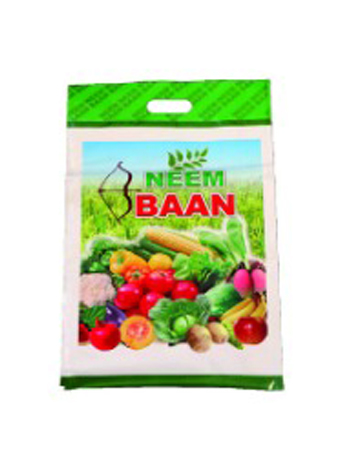
Last year, a farmer named Ramesh from a small village faced a serious problem. His crop looked healthy in the beginning, but after a few weeks, the leaves started turning yellow and growth stopped. He had used fertilizers like every year, irrigated the field properly, and even sprayed pesticides on time. Still, the better harvest was much lower than expected. When he calculated his expenses and income, he realized he had barely made any profit. He was worried about how he would manage the next season.
This is not just Ramesh’s story. Many farmers face the same situation. They work hard day and night, but the results are not always in their control. Weather changes, soil health problems, wrong fertilizer use, pest attacks, and lack of proper guidance often reduce yield and profit. Farming today is not just about hard work; it is also about the right knowledge, right products, and right support at the right time.
A Question Every Farmer Should Ask
Many farmers ask this question:
“Why am I not getting the yield I expected even after spending so much on farming?”
The answer is usually not just one thing. Sometimes the soil lacks nutrients, sometimes crops need better protection, and sometimes farmers are not using the right combination of products and practices. Farming has changed a lot, and traditional methods alone are sometimes not enough for modern agriculture.
The Real Problem Farmers Face
One of the biggest problems today is soil health. Over the years, continuous farming and heavy chemical use have reduced soil fertility. The soil becomes hard, organic matter decreases, and crops cannot absorb nutrients properly. Farmers then add more fertilizers, but the results are still not satisfactory. This increases cost but not profit.
Another problem is imbalanced crop nutrition. Crops need more than just nitrogen, phosphorus, and potassium. They also need micronutrients, organic matter, and biological activity in the soil. Without this balance, crops grow weak and become more vulnerable to pests and diseases.
A Real Example from the Field
In one farming area, a group of farmers started using organic soil conditioners along with balanced crop nutrition instead of only chemical fertilizers. In the first season, they did not see a huge difference, but in the second season, the soil became softer, water retention improved, and crop growth was more uniform. By the third season, their yield increased and fertilizer use actually decreased. Their overall profit improved because their input cost reduced and crop quality improved.
This shows that farming success is not about using more inputs, but about using the right inputs in the right way.
Understanding the Topic – Your Ally in Better Harvests
Farmers today need an ally—someone who supports them with the right products, right advice, and practical solutions. This ally can be in the form of good agricultural guidance, quality agro products, soil health solutions, and crop nutrition support.
Better harvests come from:
- Healthy soil
- Balanced nutrition
- Proper crop protection
- Right farming practices
- Continuous guidance
When all these work together, farmers get better yield, better quality crops, and better income.
Expert Opinion
Agriculture experts Indochem Agrovet often say something very important:
“Feed the soil, and the soil will feed the crop.”
This means soil health should be the first priority. If soil is healthy, fertilizers work better, crops grow stronger, and water use becomes more efficient. Experts also recommend integrating organic inputs, bio-fertilizers, and balanced nutrients instead of depending on only one type of fertilizer.
They also advise farmers to test soil regularly and apply nutrients according to soil requirement, not just habit or guesswork.
Practical Tips for Better Harvests
Here are some simple but very effective tips for farmers:
- Test your soil at least once in two years.
- Use organic matter like compost or organic soil conditioners.
- Do not overuse chemical fertilizers. Balanced nutrition is important.
- Use bio-fertilizers to improve soil microbial activity.
- Rotate crops to maintain soil fertility.
- Monitor crops regularly to detect pests and diseases early.
- Use quality agro products from trusted companies.
- Take advice from agriculture experts instead of only following traditional methods.
Small changes in farming practices can make a big difference in yield and income.
Farming is not just a profession; it is a way of life. Farmers feed the nation, but many farmers still struggle for stable income and good harvests. With the right support, right knowledge, and the right agricultural partner, farming can become more profitable and less stressful.
Remember, a farmer should never feel alone in the field. With the right ally supporting soil health, crop nutrition, and crop protection, better harvests are not just a dream—they are possible every season.
Healthy soil, healthy crops, and a happy farmer — that is the real success of agriculture.
Final Thoughts
Farming has never been an easy profession, but today it has become even more challenging with rising costs, changing weather, and soil health issues. However, the solution is not always to use more fertilizers or more pesticides. The real solution lies in understanding the soil, the crop, and the balance between them. When farmers focus on soil health, balanced nutrition, and proper crop management, the results improve not only for one season but for many years. Small improvements in farming practices can slowly transform the productivity of the land and the income of the farmer.
The Bigger Picture
When we talk about farming, we often think only about yield and profit, but farming is much bigger than that. Farming is about food security, soil health, water conservation, and the future of the next generation. If soil health keeps declining, future farmers will face more difficulties than today. But if farmers start improving soil organic matter, using balanced nutrition, and adopting sustainable practices, they are not just improving their own harvest — they are protecting their land for their children.
Why This Matters for Farmers
This topic is important because many farmers today are spending more but earning less. The reason is often poor soil health, improper fertilizer use, and lack of proper guidance. When farmers understand soil health, crop nutrition, and modern agricultural practices, they can reduce input costs and increase yield at the same time. Better farming decisions lead to better income, and better income leads to a better life for farming families.
Looking Ahead
The future of farming will depend on smart farming, soil health management, water management, and sustainable agricultural inputs. Farmers who start improving their soil today will see better results in the coming years. Agriculture is changing, and farmers who adapt to new practices, new technologies, and better crop nutrition methods will stay ahead and remain profitable.
A Small Change, A Big Difference
Many farmers think they need big investments to improve farming, but sometimes small changes make the biggest difference. Adding organic matter to soil, using bio-fertilizers, applying the right nutrients at the right time, and monitoring crops regularly are small steps, but they can significantly improve yield and soil health over time. Farming success often comes from consistent small improvements, not one big change.
The Future of Farming
The future of farming will not depend only on fertilizers and pesticides, but on soil health, sustainable inputs, technology, and proper knowledge. Farmers who focus on long-term soil fertility instead of short-term yield will benefit more in the long run. Healthy soil will produce healthy crops, and healthy crops will ensure better income and a better future for farming families.
Time to Rethink Farming Practices
For many years, farming methods have remained the same, but today the situation is different. Soil fertility is decreasing, water is becoming scarce, and input costs are increasing. This is the right time for farmers to rethink their farming practices. Instead of depending only on traditional methods, farmers should adopt integrated farming practices that include soil health management, balanced crop nutrition, and sustainable agriculture solutions. The farmers who change today will be the successful farmers of tomorrow.
