
Tricobac: A Natural Shield for Healthier Crops
A Story from the Field: When Crops Started Failing
Last year, I spoke to a farmer from Nadia district in West Bengal who was struggling with repeated fungal infections in his vegetable crops. Every season, he invested in chemical fungicides, yet the problem kept returning—sometimes worse than before. His soil was becoming harder, yields were dropping, and input costs were rising. Then came a turning point. Someone in his farming group suggested trying Tricobac. Skeptical but hopeful, he applied it during the next cropping cycle. Within weeks, he noticed something unusual—the plants looked healthier, roots were stronger, and disease spread slowed down significantly.
So here’s the question:
What if the solution to persistent crop diseases isn’t stronger chemicals—but smarter biology like Tricobac?
Why Crop Diseases Are Becoming Harder to Control
Farmers across India are facing a common issue today—fungal diseases that keep coming back. Whether it’s root rot, wilt, or leaf infections, these problems are becoming more resistant to traditional chemical treatments.
The real problem lies beneath the soil. Years of chemical use have disturbed beneficial microbes, reducing the soil’s natural defense system. As a result:
- Pathogens multiply faster
- Soil loses its natural balance
- Crops become more vulnerable
This is exactly where Tricobac is making a difference.
What is Tricobac and How Does It Work?
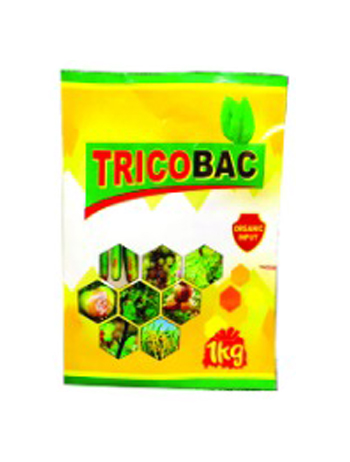
Tricobac is an advanced organic fungicide from Indochem Agrovet designed to protect crops naturally. It contains beneficial microbes that fight harmful fungi in the soil and around plant roots.
Instead of acting like a temporary solution, Tricobac works in a smarter way:
- It forms a protective barrier around roots
- It suppresses disease-causing organisms
- It boosts plant immunity and growth
In simple terms, Tricobac helps plants defend themselves rather than depending entirely on external chemicals.
A Real Example: Vegetable Grower’s Experience
A farmer from Burdwan shared his experience after using Tricobac in tomato cultivation. Earlier, nearly 30% of his plants were affected by wilt disease. After introducing Tricobac:
- Disease levels dropped significantly
- Plant growth became more uniform
- Yield improved noticeably
He said something very practical:
“Earlier I was reacting to disease. Now my crop feels protected from the start.”
Personal Observations from the Field
During visits to farms using Tricobac, one thing becomes very clear—the soil itself starts improving. It feels softer, holds moisture better, and shows signs of life.
In such fields:
- Roots grow deeper and stronger
- Plants recover faster from stress
- Soil structure improves over time
These changes don’t happen overnight, but they build season after season.
What Farmers Are Saying About Tricobac
Farmers who have shifted to Tricobac often highlight two key changes:
- Reduced need for repeated chemical sprays
- Healthier, more resilient crops
One farmer from Bihar mentioned that after two seasons of use, his soil required less chemical input, saving costs while improving productivity.
This kind of feedback is becoming increasingly common across regions.
Problems Tricobac Helps Solve
Root Diseases and Soil-Borne Infections
Tricobac protects roots by creating a biological shield against harmful fungi.
Recurring Disease Cycles
It doesn’t just treat—it prevents diseases from returning repeatedly.
Soil Degradation
By introducing beneficial microbes, Tricobac helps restore soil balance.
High Input Costs
Farmers gradually reduce dependency on expensive chemicals.
Expert Insight: Why Biological Solutions Are Rising
Agriculture experts now believe that the future of farming lies in restoring soil biology. Overuse of chemicals has weakened natural systems, making crops more dependent and less resilient.
Products like Tricobac support:
- Sustainable farming practices
- Long-term soil fertility
- Better crop quality
It’s not just about controlling disease—it’s about rebuilding the system.
Practical Tips for Using Tricobac Effectively
To get the best results from Tricobac, farmers often follow these simple practices:
- Apply it early in the crop cycle
- Use it in moist soil for better microbial activity
- Combine with organic inputs when possible
- Avoid immediate mixing with strong chemicals
- Use consistently across seasons
Consistency makes a big difference when using biological products.
Local Insight: Why Farmers in Eastern India Are Adopting Tricobac
In West Bengal and nearby regions, farmers are increasingly turning toward sustainable practices. Rising input costs and declining soil health are pushing them to explore alternatives.
Tricobac fits well into this shift because it offers:
- Effective disease control
- Soil improvement
- Reduced long-term costs
This makes it a practical choice—not just an experimental one.
The Bigger Picture: Farming That Works with Nature
What makes Tricobac stand out is its approach. Instead of fighting nature, it strengthens it. Over time, this leads to:
- Healthier crops
- Improved soil structure
- Better long-term profitability
It’s a shift from short-term fixes to long-term solutions.
A Small Change That Can Transform Your Farm
Farmers who have adopted Tricobac often say the same thing—it starts as a trial, but becomes a habit. Because once you see the difference in soil and crop health, going back becomes difficult.
If you’re facing recurring diseases, rising costs, or declining soil fertility, this might be the right time to try something different.
Learn more about Tricobac here: https://indochemagrovet.in/product/tricobac/
Because the future of farming isn’t about using more—it’s about using smarter solutions like Tricobac.
