
Sustainable Agri Using Bio Inputs
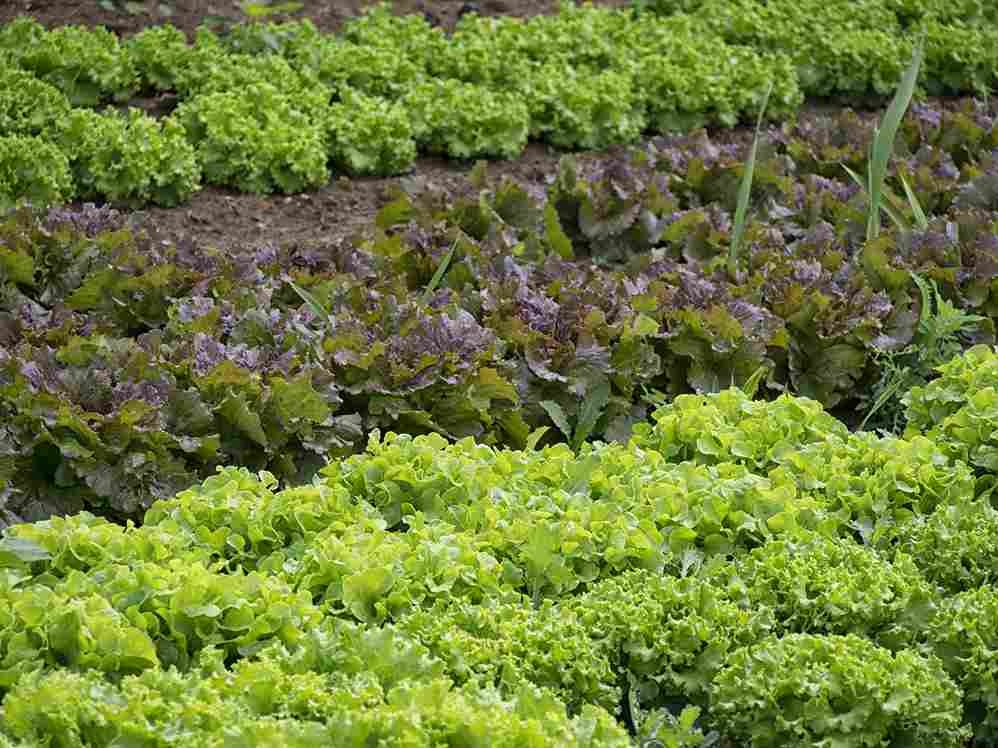
Sustainable agriculture is becoming increasingly important as farmers around the world face challenges such as soil degradation, declining crop productivity, climate change, and rising input costs. Traditional chemical-based farming methods may provide short-term yield improvements, but they often harm soil health, reduce biodiversity, and create long-term environmental problems. This is why many farmers are now shifting toward sustainable farming practices that protect the environment while maintaining productivity and profitability. One of the most effective ways to achieve sustainable agriculture is through the use of Bio Inputs.
Bio Inputs include bio fertilizers, bio pesticides, bio stimulants, and organic soil conditioners that are derived from natural sources such as beneficial microbes, plant extracts, and organic matter. These inputs help improve soil fertility, enhance nutrient availability, promote plant growth, and protect crops from pests and diseases without harming the environment. Unlike chemical fertilizers and pesticides, bio inputs support long-term soil health and ecological balance.
By using Bio Inputs, farmers can reduce their dependence on chemical products, lower production costs, improve crop quality, and maintain soil productivity for future generations. Sustainable agriculture with bio inputs is not just a farming method; it is a long-term solution for healthier soil, safer food, and a better environment.
The Role of Bio Inputs in Sustainable Farming
Sustainable farming focuses on maintaining soil health, conserving natural resources, and producing safe and nutritious food without damaging the environment. One of the most effective ways to achieve this balance is through the use of Bio Inputs. These natural agricultural products help farmers improve crop productivity while protecting soil fertility and ecological balance. As modern agriculture faces challenges like soil degradation, water scarcity, and chemical pollution, bio inputs are becoming an essential part of sustainable farming systems.
Bio Inputs include bio fertilizers, bio pesticides, bio stimulants, and organic soil enhancers made from natural materials such as beneficial microorganisms, plant extracts, seaweed extracts, and organic compost. These inputs work with nature rather than against it. Instead of forcing plant growth through synthetic chemicals, bio inputs improve soil biology, increase nutrient availability, and strengthen plant immunity. This natural approach helps crops grow healthier and more resistant to stress, pests, and diseases.
Improving Soil Health with Bio Inputs
Soil health is the foundation of sustainable agriculture. Continuous use of chemical fertilizers often reduces soil organic matter and kills beneficial microorganisms, making soil less fertile over time. Bio Inputs help restore soil health by increasing microbial activity and improving soil structure. Beneficial bacteria and fungi present in bio fertilizers help fix nitrogen, solubilize phosphorus, and make nutrients more available to plants.
When soil contains active microorganisms and organic matter, it retains moisture better, improves root growth, and supports long-term fertility. Farmers who regularly use bio inputs often notice improved soil texture, better water retention, and stronger plant growth. Healthy soil not only increases crop yield but also reduces the need for chemical fertilizers, making farming more economical and environmentally friendly.
Reducing Chemical Dependency in Agriculture
One of the biggest advantages of using Bio Inputs is the reduction in chemical fertilizer and pesticide usage. Excessive use of chemicals increases production costs and harms soil, water, and human health. Bio pesticides made from natural extracts and beneficial microbes can effectively control pests and diseases without leaving harmful residues on crops.
By gradually replacing chemical inputs with bio inputs, farmers can reduce soil toxicity and environmental pollution. This also helps in producing residue-free food, which is increasingly in demand in both domestic and export markets. Sustainable agriculture aims to create a balance where farmers can maintain productivity while protecting natural resources, and bio inputs play a major role in achieving this balance.
Increasing Crop Yield and Quality Naturally
Many farmers believe that sustainable farming reduces yield, but this is not necessarily true. Proper use of Bio Inputs can actually improve crop yield over time by improving soil fertility and plant health. Bio stimulants help improve root development, flowering, and fruit setting, while bio fertilizers improve nutrient absorption. Strong and healthy plants are more resistant to environmental stress such as drought, heat, and disease.
In addition to yield, bio inputs also improve crop quality, including size, color, taste, and shelf life. This helps farmers get better market prices for their produce. Over time, sustainable agriculture using bio inputs not only protects the environment but also improves farm profitability.
The Future of Sustainable Agriculture
The future of agriculture depends on sustainable practices that protect soil, water, and the environment while ensuring food security for a growing population. Bio Inputs are becoming a key component of modern sustainable farming because they support natural processes, reduce chemical dependency, and improve long-term soil productivity.
Governments, agricultural scientists, and farmers are increasingly promoting the use of bio inputs as part of integrated nutrient management and integrated pest management systems. As awareness grows, more farmers are adopting sustainable agriculture practices that combine traditional knowledge with modern biological solutions. Sustainable agriculture with bio inputs is not just a trend but a long-term solution for healthy soil, healthy crops, and a healthy planet.
Conclusion
Sustainable farming is essential for protecting soil health, the environment, and long-term agricultural productivity. The use of Bio Inputs helps farmers reduce chemical dependency, improve soil fertility, and grow healthier crops in an eco-friendly way. By improving nutrient availability, soil microbial activity, and plant resistance to pests and diseases, Bio Inputs support both productivity and sustainability. As agriculture moves toward more environmentally responsible practices, bio inputs will play a major role in ensuring safe food production and long-term soil health. Adopting Bio Inputs today is an important step toward building a more sustainable and profitable future for farmers.
Take the Step Towards Sustainable Farming Today
The future of agriculture depends on the choices we make today. Healthier soil, better crop yield, reduced chemical dependency, and sustainable farming practices are no longer optional — they are essential. Partner with us and take a confident step towards progressive and sustainable agriculture with high-quality bio inputs and crop solutions designed for modern farmers.
Whether you are a farmer, distributor, or agribusiness professional, we are here to support your growth with reliable products, expert guidance, and long-term agricultural solutions. Let us work together to build healthier soil, stronger crops, and a more profitable future for agriculture.
Mumbai Office
Parewala House No. 4, Vakola
Santacruz (East)
Mumbai – 400055
Kolkata Office
Block DD, House No. 197
1st Floor, Street No. 295
Action Area – 1, New Town
Kolkata, West Bengal – 700156
📞 Call Us: +91 98307 20311 / +91 83369 77770
✉️ Email: indochemcustomercare@gmail.com
🌐 Website: https://indochemagrovet.in/
Indochem Agrovet – Your Growth Partner in Progressive Agriculture
