
Organic Manure for Better Soil Health
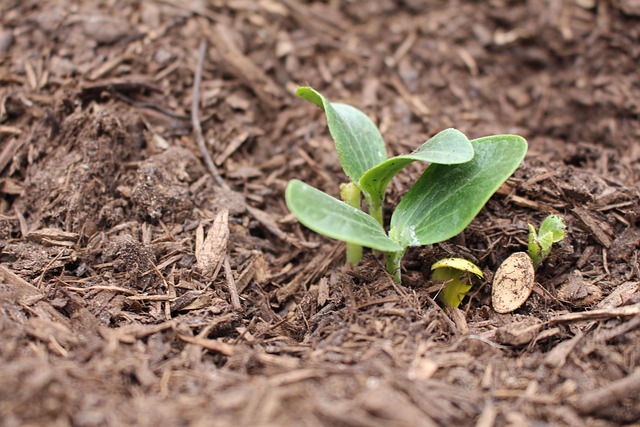
Healthy soil is the foundation of sustainable agriculture and long-term productivity. When soil loses its natural fertility due to excessive chemical use, erosion, and poor management practices, crop yields decline and the ecosystem suffers. This is where organic manure plays a transformative role. Unlike synthetic fertilizers that provide quick but short-lived results, organic manure improves soil structure, enhances microbial activity, and increases nutrient retention over time. It enriches the soil naturally by adding essential nutrients such as nitrogen, phosphorus, and potassium while also boosting the organic matter content that is crucial for maintaining moisture and aeration.
Improving soil health is not just about feeding plants; it is about nurturing the entire soil ecosystem. Healthy soil supports beneficial microorganisms, earthworms, and other life forms that break down organic material into plant-available nutrients. By regularly applying organic manure, farmers and gardeners can restore degraded soils, improve water infiltration, and reduce dependency on chemical inputs. Over time, this sustainable approach leads to stronger plant growth, better resistance to pests and diseases, and higher-quality produce. Investing in organic manure is, therefore, an investment in resilient farming systems and a healthier environment for future generations.
Why Organic Manure is Essential for Long-Term Soil Fertility
Sustaining agricultural productivity requires more than short-term nutrient supply; it demands a system that continuously regenerates the soil. Organic manure plays a vital role in restoring and maintaining long-term fertility. Unlike chemical fertilizers that may degrade soil structure over time, organic manure improves the physical, chemical, and biological properties of the soil simultaneously. It enhances soil texture, making heavy clay soils more workable and sandy soils more capable of retaining moisture. This balanced improvement ensures that crops receive nutrients steadily rather than in sudden bursts.
Healthy soils are living systems. Billions of microorganisms work beneath the surface to decompose organic matter and convert nutrients into forms that plants can absorb. By adding organic manure, farmers stimulate this biological activity, which is essential for sustainable soil health. Increased microbial diversity leads to better nutrient cycling and improved resilience against soil-borne diseases. Over time, the soil becomes richer, darker, and more productive without the harmful side effects often associated with synthetic inputs.
Types of Organic Manure and Their Benefits
Different types of organic manure offer unique advantages depending on the farming system and crop requirements. Farmyard manure, compost, green manure, and vermicompost are among the most commonly used forms. Farmyard manure, derived from livestock waste, adds a balanced mix of nutrients and organic matter. Compost, created from decomposed plant residues and kitchen waste, improves soil structure and increases humus content. Green manure involves growing specific crops such as legumes and plowing them back into the soil to enhance nitrogen levels naturally. Vermicompost, produced through the action of earthworms, provides nutrient-rich material that is highly beneficial for plant growth.
Each type contributes differently to improving soil health, but they all share the ability to enhance water retention and reduce soil erosion. By integrating various organic manure sources, farmers can create a holistic nutrient management plan that supports both immediate crop needs and long-term soil sustainability.
Organic Manure and Water Management
Water conservation is becoming increasingly important in agriculture. Soils enriched with organic manure have improved water-holding capacity, reducing the need for frequent irrigation. Organic matter acts like a sponge, absorbing water during rainfall and releasing it gradually to plant roots. This not only supports consistent crop growth but also minimizes runoff and nutrient loss.
Improved soil health also enhances soil structure, allowing better infiltration of water. Instead of water pooling on the surface or washing away topsoil, it penetrates deeply and nourishes plant roots. This efficient water management reduces the risks of drought stress and soil erosion, contributing to a more resilient agricultural system.
Reducing Chemical Dependency Through Sustainable Practices
Over-reliance on chemical fertilizers can disrupt natural soil processes and lead to nutrient imbalances. By adopting organic manure as a primary nutrient source, farmers can significantly reduce chemical inputs. Organic manure releases nutrients slowly, preventing the sudden spikes that often cause nutrient leaching and environmental pollution.
Healthy soils naturally suppress certain pests and diseases due to their balanced microbial ecosystem. Strengthening soil health through organic practices supports plant immunity and reduces the need for chemical pesticides. In the long run, this approach lowers production costs, protects groundwater, and promotes environmentally responsible farming.
Building a Sustainable Future with Organic Manure
The future of agriculture depends on sustainable soil management practices. Continuous application of organic manure helps rebuild degraded lands and ensures consistent crop productivity. It encourages biodiversity, supports ecological balance, and creates a regenerative cycle of nutrient renewal.
Prioritizing soil health is not merely an agricultural strategy but a commitment to environmental stewardship. By nurturing the soil today, we secure food production and ecosystem stability for generations to come.
Conclusion
In conclusion, the consistent use of organic manure is one of the most effective ways to restore and maintain strong, productive soils. It not only supplies essential nutrients but also enhances microbial activity, improves soil structure, and strengthens long-term fertility. By prioritizing soil health, farmers and gardeners create a balanced ecosystem that supports sustainable crop growth and reduces dependency on harmful chemicals. Investing in organic manure is more than a farming practice—it is a commitment to environmental sustainability, higher-quality produce, and resilient agricultural systems that can thrive for generations to come.
Transform Your Farming Future with a Trusted Growth Partner
Progressive agriculture demands expertise, innovation, and unwavering support. At Indochem Agrovet, we don’t just supply solutions — we empower farmers, distributors, and agribusinesses to achieve measurable growth and long-term success. Your soil, your crops, and your yield deserve the very best guidance and products backed by experience and commitment.
Whether you are looking to enhance productivity, improve soil performance, or adopt smarter agricultural practices, our team is ready to stand beside you at every step. With dedicated offices in Mumbai and Kolkata, we ensure prompt service, personalized assistance, and solutions tailored to your regional farming needs.
📍 Mumbai Office
Parewala House No. 4, Vakola
Santacruz (East), Mumbai – 400055
📍 Kolkata Office
Block DD, House No. 197
1st Floor, Street No. 295
Action Area – 1, New Town
Kolkata, West Bengal – 700156
📞 Call Us: +91 98307 20311 / +91 83369 77770
✉️ Email: indochemcustomercare@gmail.com
🌐 Website: https://indochemagrovet.in/
Take the next step toward stronger yields and sustainable success. Partner with Indochem Agrovet — your growth partner in progressive agriculture.
