
Organic Manure for Better Farming Tips
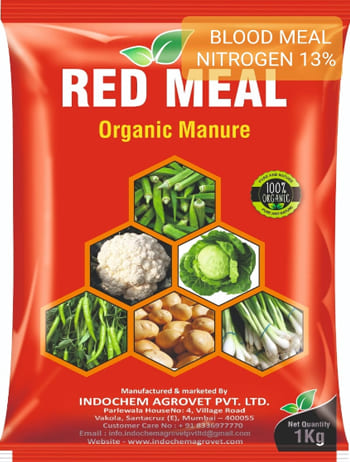
Modern agriculture is steadily shifting toward sustainable and eco-friendly practices that protect soil health and enhance crop productivity. One of the most effective approaches to achieving this balance is the use of Organic Manure for Better Farming, which provides essential nutrients to the soil while improving its physical and biological properties. Unlike chemical fertilizers that may degrade soil quality over time, organic manure enriches the soil naturally, ensuring long-term fertility and sustainable crop growth.
Organic Manure for Better Farming plays a crucial role in enhancing soil structure, increasing water retention, and promoting beneficial microbial activity. It is derived from natural sources such as plant residues, animal waste, compost, and green manure, making it an environmentally friendly solution for modern farmers. By using organic manure, farmers can reduce their dependence on synthetic inputs, lower production costs, and support healthier crop development.
Furthermore, organic manure improves nutrient availability by releasing essential elements slowly, ensuring consistent plant growth without harming the environment. It also helps prevent soil erosion, enhances root development, and strengthens plant resistance to pests and diseases. As global demand for safe and chemical-free food continues to rise, adopting organic manure practices has become a vital step toward responsible farming.
Understanding the benefits and application methods of organic manure can significantly help farmers achieve higher yields, improved soil fertility, and sustainable agricultural success.
Importance of Organic Manure for Better Farming
The growing focus on sustainable agriculture has made Organic Manure for Better Farming an essential practice for farmers worldwide. Organic manure enhances soil fertility by improving its physical, chemical, and biological properties. It increases the organic matter content in the soil, which helps create a favorable environment for plant growth. By improving soil texture and aeration, organic manure allows roots to penetrate deeper and absorb nutrients more efficiently.
Another key benefit is its ability to maintain long-term soil productivity. Continuous use of chemical fertilizers often leads to nutrient imbalance and soil degradation, while organic manure supports natural soil regeneration. It encourages microbial activity that breaks down organic materials into essential nutrients, ensuring a healthy and balanced ecosystem within the soil. As a result, farmers experience consistent crop yields and improved land sustainability.
Types of Organic Manure Used in Agriculture
Different types of organic manure contribute to better crop production and soil health. Farmyard manure, compost, green manure, and vermicompost are widely used in modern farming practices. Each type offers unique benefits that support Organic Manure for Better Farming.
Farmyard manure, prepared from animal dung and urine, is rich in nutrients and enhances soil structure. Compost, made from decomposed organic waste such as crop residues and kitchen waste, improves soil fertility and water retention capacity. Green manure involves growing specific crops like legumes and incorporating them into the soil to enrich nitrogen content. Vermicompost, produced through earthworm activity, is highly nutritious and improves soil microbial activity.
These organic options provide essential nutrients like nitrogen, phosphorus, and potassium in a balanced and natural form. Their slow-release properties ensure that plants receive consistent nourishment throughout their growth cycle, leading to better crop quality and productivity.
Benefits of Organic Manure for Soil Health
One of the most significant advantages of Organic Manure for Better Farming is its positive impact on soil health. Organic manure improves soil structure by binding soil particles together, enhancing its ability to retain moisture and nutrients. This is particularly beneficial in regions facing irregular rainfall or water scarcity.
Organic manure also increases soil biodiversity by supporting beneficial microorganisms such as bacteria and fungi. These organisms help decompose organic matter, release nutrients, and protect plants from harmful pathogens. Additionally, organic manure reduces soil erosion by strengthening soil stability and improving its resistance to environmental stress.
Another important benefit is the improvement of soil pH balance. Organic manure helps neutralize acidic or alkaline soils, creating an optimal environment for plant growth. This balanced soil condition enhances nutrient availability and ensures better crop development.
Application Methods for Effective Results
Proper application techniques are essential to maximize the benefits of Organic Manure for Better Farming. Farmers should apply organic manure during land preparation to allow sufficient time for decomposition and nutrient release. Even distribution across the field ensures uniform nutrient availability and consistent crop growth.
Incorporating organic manure into the soil rather than leaving it on the surface improves nutrient absorption and reduces nutrient loss. Crop rotation combined with organic manure application further enhances soil fertility and prevents pest infestations. Regular monitoring of soil condition helps farmers determine the appropriate quantity and frequency of manure application.
It is also important to use well-decomposed manure to prevent harmful effects on crops. Proper composting methods eliminate pathogens and weed seeds, ensuring safe and effective use in agriculture.
Economic and Environmental Advantages
Adopting Organic Manure for Better Farming offers both economic and environmental benefits. Farmers can reduce their dependence on expensive chemical fertilizers, lowering production costs while maintaining soil fertility. Organic manure is often prepared from locally available materials, making it a cost-effective and sustainable solution.
From an environmental perspective, organic manure reduces pollution caused by chemical runoff and supports ecological balance. It minimizes greenhouse gas emissions and promotes sustainable resource management. By improving soil health and preserving natural ecosystems, organic manure contributes to long-term agricultural sustainability.
Furthermore, the use of organic manure supports the production of chemical-free crops, meeting the increasing consumer demand for organic food. This creates better market opportunities and enhances farmers’ income.
Future of Sustainable Agriculture with Organic Manure
The future of agriculture depends heavily on sustainable practices, and Organic Manure for Better Farming plays a central role in this transformation. As awareness about environmental conservation and soil health continues to grow, more farmers are adopting organic methods to ensure long-term productivity.
Organic manure supports regenerative agriculture by restoring soil fertility, conserving biodiversity, and improving crop resilience against climate change. Governments and agricultural organizations are also promoting organic farming practices through awareness programs and incentives.
By integrating organic manure into modern farming systems, farmers can achieve higher yields, healthier crops, and improved soil quality. This sustainable approach not only protects the environment but also ensures food security for future generations, making organic manure an essential component of responsible and productive agriculture.
Conclusion
In conclusion, Organic Manure for Better Farming is a sustainable and effective approach to improving soil fertility, enhancing crop productivity, and maintaining environmental balance. By enriching soil structure, supporting beneficial microorganisms, and ensuring steady nutrient release, it promotes long-term agricultural success. Farmers adopting Organic Manure for Better Farming can reduce dependence on chemical inputs, lower production costs, and produce healthier crops. This eco-friendly practice not only strengthens soil health but also supports sustainable food production for future generations. Embracing organic manure is a responsible step toward efficient farming, environmental protection, and improved agricultural productivity in modern farming systems.
Boost your farm’s productivity with trusted agricultural solutions from Indochem Agrovet — your reliable partner in progressive agriculture. Take a step toward healthier crops, improved soil fertility, and sustainable farming success with expert guidance and high-quality products tailored to your needs. Connect with our team today and experience innovative farming solutions that drive real results.
Mumbai Office:
Parewala House No. 4, Vakola
Santacruz (East), Mumbai – 400055
Kolkata Office:
Block DD, House No. 197
1st Floor, Street No. 295
Action Area – 1, New Town
Kolkata, West Bengal – 700156
📞 Call Us: +91 98307 20311 / +91 83369 77770
✉️ Email: indochemcustomercare@gmail.com
🌐 Website: https://indochemagrovet.in/
Choose Indochem Agrovet — Your Growth Partner in Progressive Agriculture.
