
Neem Baan for Healthier Farming
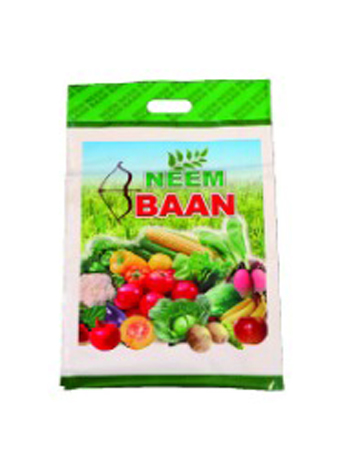
Last winter, while visiting a small village near Basirhat I met a farmer named Ratan Mondal. He looked worried as he held a handful of dry, lifeless soil. “Dada,” he said, “earlier this land used to feel alive. Now even water doesn’t stay.” His problem is not unique. Across West Bengal, many farmers are facing declining soil health due to excessive chemical use.So the question is — is there a natural way to restore soil health without reducing productivity? In our experience, this is where Neem Baan comes into the picture. Farmers are slowly shifting toward it, not because of marketing, but because of results they can see in their fields.
Why This Problem Matters More Than You Think
Soil degradation is not just about one bad season. It affects long-term productivity, water retention, and even crop quality.
Many farmers tell us:
- Fertilizer costs are increasing every year
- Soil is becoming hard and less responsive
- Pest attacks are becoming more frequent
We noticed that when soil loses its natural balance, farmers end up using even more chemicals, creating a cycle that becomes difficult to break.
This is something most blogs don’t talk about — the real cost is not just money, but soil life itself.
Understanding Neem Baan in Simple Words
Let me explain in simple words.
Neem Baan is a neem-based organic solution designed to:
- Improve soil health
- Act as a natural pest deterrent
- Support better nutrient absorption
Neem has been used in Indian agriculture for generations. What makes Neem Baan different is its formulation — it is designed to work efficiently in modern farming conditions while keeping the approach natural.
If you try this, you will see that it doesn’t act like a chemical fertilizer that gives instant but short-lived results. Instead, it works gradually to improve the ecosystem of the soil.
Practical Methods / How Farmers Are Using Neem Baan
From our field observations and farmer feedback, here are some common methods:
- Soil Application Before Sowing
Farmers mix Neem Baan with water and apply it to the soil before planting.
This helps in reducing harmful soil pests and improving microbial activity.
- Regular Use During Crop Growth
Some farmers use it at intervals during crop growth to maintain soil balance.
- Combining with Organic Inputs
Many progressive farmers combine Neem Baan with compost or organic fertilizers for better results.
One farmer from Burdwan, Mr. Sushil Roy, told me:
“Earlier I depended fully on chemicals. Now I use Neem Baan with organic inputs, and the soil feels softer.”
Benefits Farmers Are Actually Seeing
In our experience, the benefits are not just theoretical. Farmers have shared real improvements:
Improved Soil Texture
After two seasons, soil becomes softer and easier to work with.
Better Water Retention
Water stays longer in the soil, reducing irrigation frequency.
Reduced Pest Problems
Neem-based properties help control soil pests naturally.
Lower Chemical Dependency
One farmer from Hooghly mentioned reducing chemical fertilizer use by nearly 25%.
Healthier Crop Growth
Plants appear stronger and more resistant to stress.
Common Mistakes Farmers Make
One common mistake people make is expecting instant results.
Neem Baan is not a chemical shortcut. It works gradually.
Other mistakes include:
- Using irregular doses
- Not combining with good farming practices
- Stopping too early before results appear
We noticed that farmers who stayed consistent for at least two seasons saw the best results.
Practical Tips That Actually Work
Here are some tips based on real farmer experiences:
- Start using Neem Baan before the planting season
- Combine it with organic matter like compost
- Maintain proper irrigation practices
- Be consistent — don’t expect overnight results
- Observe soil changes, not just crop yield
This is something most blogs don’t say — soil improvement is a long-term investment, not a quick fix.
Real Farmer Story: A Small Change, Big Impact
Let me share a real example.
In Murshidabad, farmer Abdul Karim had almost given up on his vegetable farm. The soil had become hard, and pests were increasing every season.
He started using Neem Baan along with organic compost.
After one year, he told us:
- Soil became easier to plough
- Pest attacks reduced noticeably
- Crop quality improved
He said something very simple but powerful:
“Earlier I was feeding the crop. Now I am feeding the soil.”
Cost vs Benefit: Is It Worth It?
Many farmers initially worry about cost.
But when we compare:
Before:
- High chemical cost
- Frequent pest control expenses
- Declining soil quality
After using Neem Baan:
- Reduced chemical dependency
- Lower long-term input cost
- Better soil productivity
In our experience, the long-term benefit clearly outweighs the initial investment.
Expert Advice Farmers Should Know
Agriculture experts often suggest:
- Focus on soil health, not just yield
- Reduce chemical dependency gradually
- Use neem-based products for sustainable farming
Neem Baan fits well into this approach.
Local Market Situation
Across West Bengal and nearby regions, there is a growing demand for:
- Organic inputs
- Residue-free crops
- Sustainable farming practices
Farmers using Neem Baan are slowly adapting to this shift and preparing for future market demands.
Government Support You Can Explore
Some government schemes support:
- Organic farming
- Reduced chemical usage
- Soil health improvement
Farmers can check local agriculture offices for:
- Subsidies
- Training programs
- Organic certification support
Why This Matters for Farmers
This is not just about one product.
It is about changing how we think about farming.
Many farmers tell us they feel trapped in a cycle of chemicals and rising costs. Neem Baan offers a way to slowly break that cycle.
A small shift today can protect your land for the next generation.
FAQ from Farmers
- How long does Neem Baan take to show results?
Usually 1–2 seasons for visible soil improvement.
- Can it replace chemical fertilizers completely?
Not immediately. It is best used gradually along with reduced chemical input.
- Is it safe for all crops?
Yes, it is generally safe for most crops.
- How often should it be used?
Depends on crop and soil condition, but regular application gives better results.
Looking Ahead: A Small Change, A Big Difference
If there is one thing we have learned from farmers across regions, it is this:
Healthy soil is the real foundation of farming.
Neem Baan is not just a product — it is a step toward restoring that foundation.
If you are struggling with declining soil health, increasing costs, or pest problems, this might be the change worth trying.
Because sometimes, the solution is not adding more chemicals —
it is going back to nature, but in a smarter way.
Time to Rethink Farming Practices
If you’re facing problems like hard soil, rising input costs, or pest issues, this is the right time to try something different.
Explore Neem Baan and see how it can support your farm:
https://indochemagrovet.in/product/neem-baan/
Because sometimes, improving your harvest doesn’t start with the crop —
it starts with the soil.
