
Natural Farming Inputs for Yield
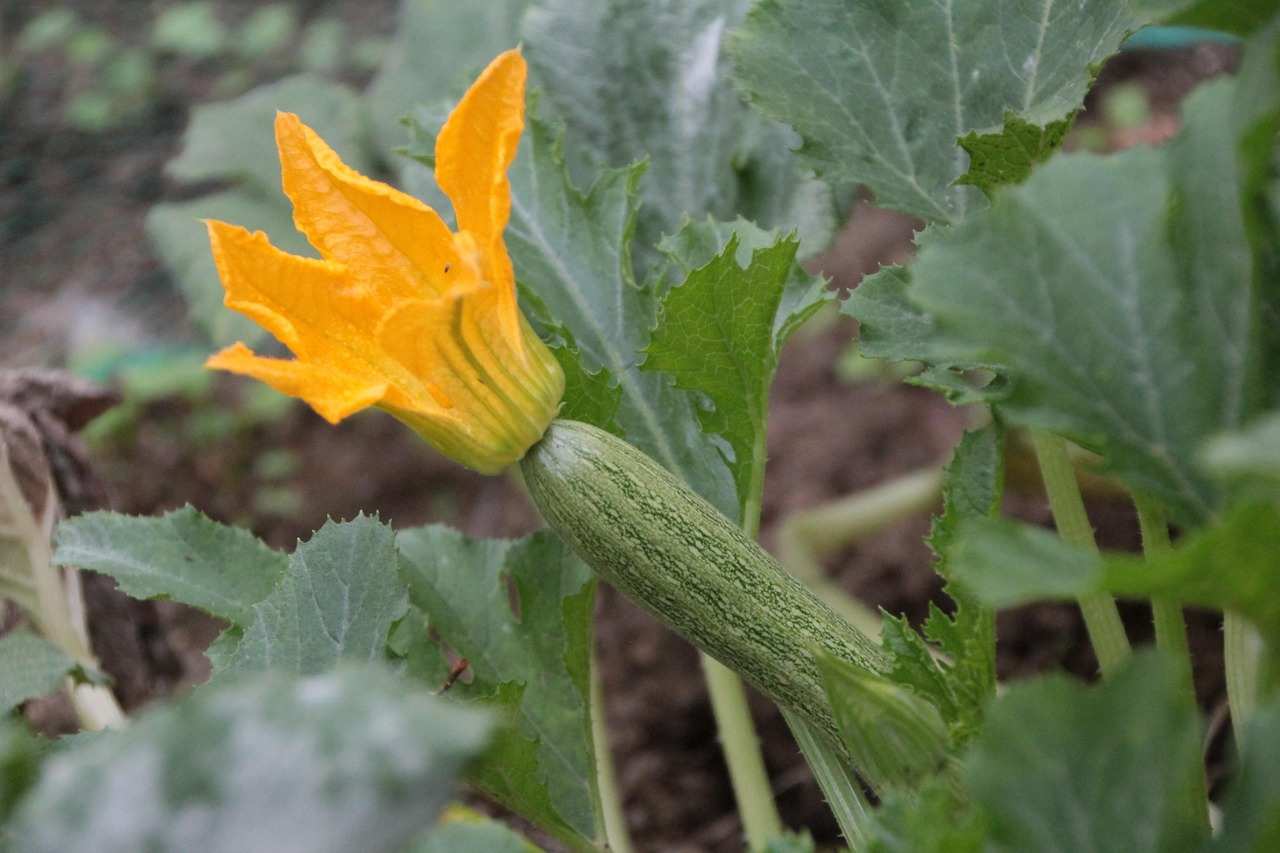
Natural Farming Inputs are becoming the backbone of eco-conscious agriculture as farmers seek safer, healthier, and more sustainable ways to improve crop productivity. Unlike chemical-based products that may degrade soil fertility over time, natural solutions help restore the living balance of the land while supporting long-term agricultural success. These inputs include organic compost, farmyard manure, bio-fertilizers, botanical extracts, microbial cultures, cow-based formulations, and other naturally derived substances that nourish crops without harming the environment.
The growing demand for Natural Farming Inputs is closely linked to the need for residue-free food, improved soil health, and cost-effective cultivation practices. Farmers today are not only looking for better yields but also for methods that protect water quality, preserve biodiversity, and reduce dependence on expensive synthetic chemicals. Natural inputs work by strengthening the soil ecosystem, improving nutrient availability, and enhancing plant resilience against pests and diseases in a more balanced way.
As awareness of regenerative and organic farming expands, Natural Farming Inputs are gaining recognition as practical tools for both small-scale and commercial farming. They support a farming model that values sustainability, productivity, and environmental responsibility together. By integrating these inputs into everyday cultivation, farmers can move toward a more resilient agricultural future with healthier crops, richer soils, and more dependable yields over time.
Why Natural Farming Inputs Matter in Modern Agriculture
Natural Farming Inputs play a vital role in helping agriculture move away from heavy chemical dependence and toward a more balanced and regenerative system. In many farming regions, repeated use of synthetic fertilizers and pesticides has reduced soil vitality, weakened microbial activity, and increased production costs. This has created a serious need for alternatives that can protect the land while still supporting strong crop performance. Natural inputs answer that need by working with nature instead of against it.
These inputs are designed to improve the natural processes already present in the soil and surrounding farm ecosystem. Rather than forcing plant growth through chemical stimulation, they encourage nutrient cycling, root development, moisture retention, and biological health. This approach creates a stronger agricultural foundation that supports crops more sustainably across multiple seasons. Farmers who adopt these methods often notice that their fields become more responsive, their soil becomes softer and more fertile, and their dependence on costly external inputs gradually declines.
Another major reason Natural Farming Inputs are gaining importance is the rising awareness among consumers and producers about food safety and environmental impact. Residue-free produce, healthier soils, and cleaner water sources are now seen as essential outcomes of responsible farming. By using natural inputs, farmers can align their cultivation practices with these expectations while also building a system that is less harmful to beneficial insects, local biodiversity, and surrounding ecosystems.
Supporting Soil Health Through Natural Farming Inputs
Healthy soil is the heart of successful farming, and Natural Farming Inputs directly contribute to rebuilding and maintaining that health. Soil is not just a growing medium; it is a living system filled with microorganisms, fungi, organic matter, and nutrients that interact continuously to support crop growth. When this system is damaged by excessive chemical use, compaction, or erosion, plant health and yield stability can suffer significantly.
Natural inputs such as compost, vermicompost, green manure, and bio-fertilizers restore organic matter and stimulate beneficial microbial life in the soil. These materials improve soil texture, increase water-holding capacity, and help create better aeration around roots. As a result, plants can absorb nutrients more efficiently and develop stronger root systems. Over time, this leads to crops that are better prepared to withstand stress and grow more consistently.
One of the strongest advantages of Natural Farming Inputs is that they contribute to long-term fertility rather than delivering only short-term effects. Chemical products may offer quick visible results, but natural inputs help rebuild the underlying health of the soil itself. That makes farming systems more durable, cost-efficient, and productive in the long run.
Building Resilient Crops and Sustainable Yields
Sustainable yield is not only about producing more in one season. It is about maintaining reliable productivity year after year without exhausting the land. Natural Farming Inputs support this goal by promoting crop resilience, balanced nutrition, and healthier farm ecosystems. When plants are nourished naturally and grown in biologically active soil, they often become better equipped to tolerate drought, pests, and disease pressure.
Natural plant extracts, microbial inoculants, and organic nutrient sources help strengthen plant immunity and encourage steady growth. Instead of creating dependency on repeated chemical intervention, these inputs build natural resistance and support overall plant vigor. This makes farming more stable and less vulnerable to disruptions caused by soil degradation or environmental stress.
The true value of Natural Farming Inputs lies in their ability to connect productivity with sustainability. They help farmers protect their land, improve crop quality, and reduce harmful environmental impact while still working toward dependable harvests. In this way, natural farming becomes more than a traditional practice. It becomes a practical and forward-looking solution for the future of agriculture.
Conclusion
In conclusion, Natural Farming Inputs offer a practical and sustainable path for achieving healthier crops, stronger soil, and long-term agricultural success. By reducing dependence on synthetic chemicals, Natural Farming Inputs help improve soil fertility, support beneficial microbes, and enhance crop resilience in a natural way. They also contribute to cleaner farming practices, better environmental protection, and more reliable production over time. As modern agriculture continues to evolve, adopting Natural Farming Inputs can help farmers balance productivity with sustainability, ensuring stable yields, improved farm health, and a more secure future for generations to come.
Empower Your Fields with the Strength of Natural Farming
The future of farming belongs to those who choose smarter, safer, and more sustainable solutions today. If you are ready to improve crop health, enrich your soil, and move toward better long-term productivity, it is time to choose a partner that understands progressive agriculture from the ground up. Let your farm grow with confidence, quality, and purpose through trusted natural farming solutions designed for lasting impact.
Indochem Agrovet Pvt. Ltd. stands beside farmers, growers, and agricultural businesses with a commitment to innovation, reliability, and field-focused support. Your success in agriculture deserves more than products alone. It deserves guidance, trust, and a company that believes in your growth every step of the way.
Mumbai Office
Parewala House No. 4, Vakola
Santacruz East
Mumbai – 400055
Kolkata Office
Block DD, House No. 197
1st Floor, Street No. 295
Action Area – 1, New Town
Kolkata, West Bengal – 700156
📞 Call Us: +91 98307 20311 / +91 83369 77770
✉️ Email: indochemcustomercare@gmail.com
🌐 Website: https://indochemagrovet.in/
Indochem Agrovet Pvt. Ltd. — Your growth partner in progressive agriculture.
