
Natural Farming and Soil Health Guide
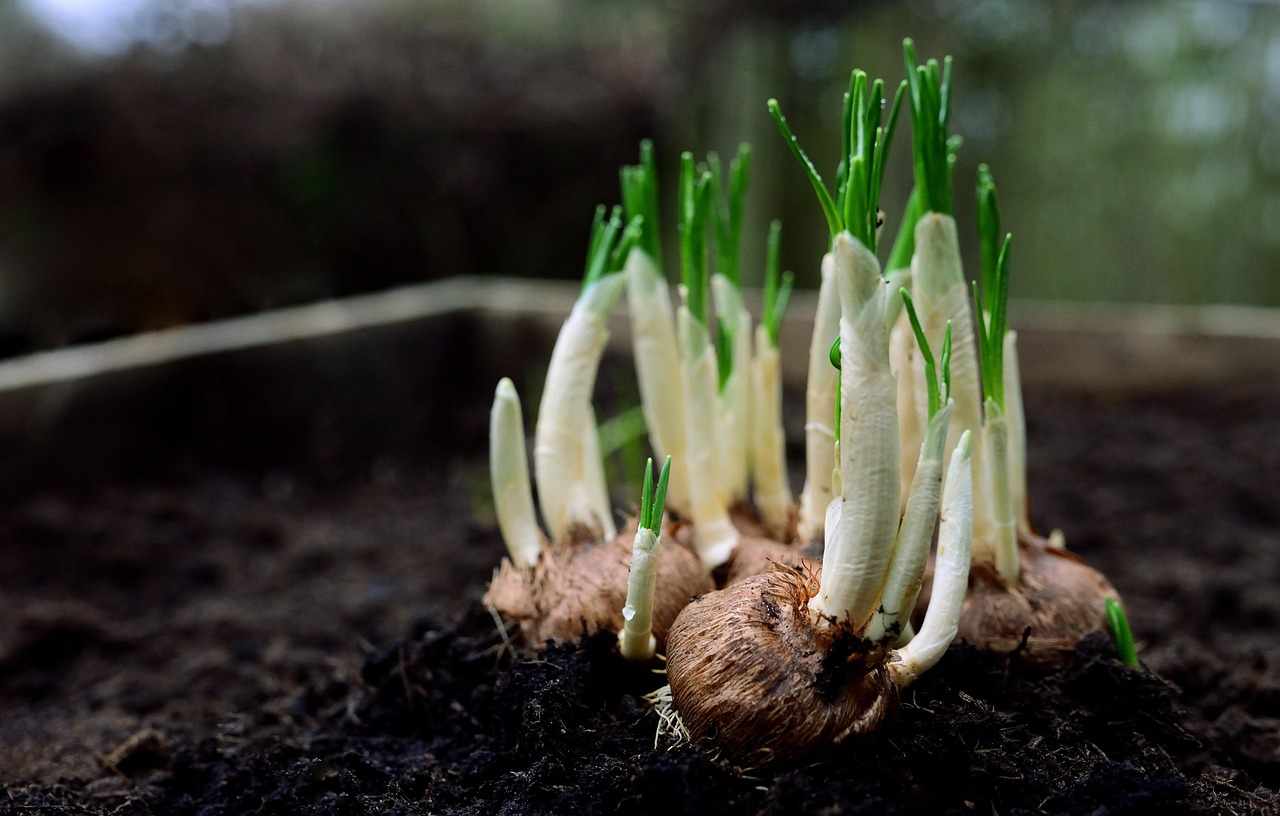
Natural farming is gaining popularity across the world as farmers and consumers become more aware of soil health, food safety, and environmental sustainability. Modern chemical-based farming has increased production over the years, but it has also caused serious damage to soil fertility, water quality, and biodiversity. Excessive use of chemical fertilizers and pesticides has made soil hard, reduced organic matter, and harmed beneficial microorganisms that are essential for healthy crop growth. This is why many farmers are now returning to traditional and sustainable agricultural practices that protect the soil and environment while maintaining crop productivity.
Natural Farming is a chemical-free farming method that focuses on working with nature rather than against it. It uses natural inputs like cow dung, cow urine, compost, crop residues, and bio-enzymes to improve soil fertility and plant health. This method not only reduces farming costs but also improves soil structure, increases water retention, and promotes beneficial microbial activity in the soil. Over time, farms practicing Natural Farming become more sustainable, productive, and environmentally friendly.
In this Natural Farming and Soil Health Guide, we will explore how natural farming improves soil health, increases crop productivity, and helps farmers build a sustainable agricultural system for the future.
Understanding the Concept of Natural Farming and Soil Health
Natural Farming is a farming method that focuses on growing crops without using chemical fertilizers, pesticides, or synthetic growth promoters. Instead, it relies on natural processes, organic inputs, and biological activity in the soil to maintain fertility and plant health. The main idea behind Natural Farming is that soil is a living system, and when soil is healthy, plants automatically become healthy. Farmers who practice Natural Farming aim to restore the natural ecosystem of the soil so that it can sustain crop production for many years without depending on expensive external inputs.
Soil health is one of the most important factors in agriculture because soil is not just dirt; it is a living environment full of microorganisms, earthworms, organic matter, minerals, air, and water. When soil contains good organic matter and microbial activity, it becomes fertile and productive. However, continuous use of chemical fertilizers reduces soil organic matter and kills beneficial microbes, making the soil less productive over time. Natural Farming helps reverse this damage by improving soil structure and increasing biological activity.
Role of Organic Matter in Natural Farming
Organic matter plays a very important role in Natural Farming because it improves soil fertility naturally. Materials like compost, farmyard manure, crop residues, green manure, and vermicompost add nutrients to the soil slowly and improve soil structure. Organic matter also helps the soil hold moisture for a longer time, which reduces the need for frequent irrigation. This is especially important in areas where water availability is limited.
When organic matter decomposes in the soil, it feeds beneficial microorganisms such as bacteria, fungi, and actinomycetes. These microorganisms break down nutrients into forms that plants can easily absorb. This natural nutrient cycle is the foundation of Natural Farming. Instead of directly feeding the plant with chemical fertilizers, Natural Farming feeds the soil, and the soil feeds the plant.
Importance of Microorganisms in Soil Fertility
One of the most important principles of Natural Farming is increasing microbial activity in the soil. Healthy soil contains millions of microorganisms that help in nutrient cycling, nitrogen fixation, decomposition of organic matter, and protection of plants from harmful pathogens. When chemical pesticides and fertilizers are used excessively, these beneficial microorganisms are destroyed, which reduces soil fertility over time.
Natural inputs like Jeevamrit, Beejamrit, compost tea, and bio-fertilizers help increase microbial population in the soil. These microorganisms improve soil structure, increase nutrient availability, and promote root growth. As microbial activity increases, soil becomes loose, aerated, and fertile, which leads to better crop growth and higher productivity in Natural Farming systems.
Water Retention and Soil Structure Improvement
Another major benefit of Natural Farming is improved soil structure and water retention capacity. Soil rich in organic matter becomes soft and porous, allowing roots to grow deeper and absorb nutrients more efficiently. Good soil structure also allows water to infiltrate easily and reduces soil erosion during heavy rainfall.
In Natural Farming, practices like mulching are commonly used to protect the soil surface. Mulching involves covering the soil with dry leaves, straw, crop residues, or organic materials. This helps retain soil moisture, control weeds, and maintain soil temperature. Over time, mulch decomposes and adds organic matter to the soil, further improving soil health.
Long-Term Benefits of Natural Farming for Sustainable Agriculture
The biggest advantage of Natural Farming is long-term soil sustainability. Chemical farming may give quick results, but it gradually reduces soil fertility and increases farming costs. On the other hand, Natural Farming improves soil fertility year after year. As soil organic matter increases, the need for external inputs decreases, and farming becomes more profitable and sustainable.
Natural Farming also helps in producing chemical-free food, improving environmental health, conserving water, and increasing biodiversity in agricultural fields. Farmers who adopt Natural Farming often see improvements in soil texture, crop quality, and overall farm ecosystem within a few years. This makes Natural Farming not just a farming method but a complete sustainable agricultural system that protects soil health for future generations.
Conclusion
Natural Farming is not just an agricultural method; it is a sustainable way to protect soil, environment, and future food security. By avoiding chemicals and using organic inputs, Natural Farming improves soil structure, increases microbial activity, and enhances long-term soil fertility. Healthy soil leads to healthy crops, better yield quality, and reduced farming costs. Over time, farmers can build a self-sustaining farming system that depends on natural processes rather than external chemicals. Adopting Natural Farming is an important step toward sustainable agriculture, environmental protection, and improving overall soil health for future generations.
Transform Your Farming Future with Sustainable Solutions
The future of agriculture belongs to those who protect their soil, reduce chemical dependency, and adopt sustainable farming practices. If you are ready to improve soil health, increase crop productivity, and move towards sustainable and profitable farming, now is the time to take action. Partner with experts who understand modern agriculture, soil nutrition, organic inputs, and sustainable crop solutions. Your soil is your greatest asset—protect it, nurture it, and let it work for you for generations to come.
Whether you are practicing organic farming, natural farming, or integrated farming, the right guidance and quality agricultural inputs can make a huge difference in your farm productivity and profitability. Let us help you build healthier soil, stronger crops, and a more profitable future.
Contact us today and take the first step towards sustainable and profitable agriculture. Your farm deserves the best care and the right agricultural partner.
Mumbai Office
Parewala House No. 4, Vakola
Santacruz (East)
Mumbai – 400055
Kolkata Office
Block DD, House No. 197
1st Floor, Street No. 295
Action Area – 1, New Town
Kolkata, West Bengal – 700156
📞 Call Us: +91 98307 20311 / +91 83369 77770
✉️ Email: indochemcustomercare@gmail.com
🌐 Website: https://indochemagrovet.in/
Indochem Agrovet – Your Growth Partner in Progressive Agriculture
