
Eco Friendly Organic Farming
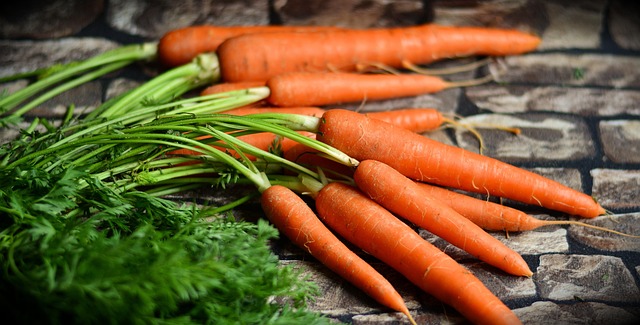
Eco-friendly Organic Farming is more than a method of cultivation—it is a commitment to restoring harmony between agriculture and nature. In a world facing soil degradation, water scarcity, and climate change, farmers and consumers alike are turning toward sustainable practices that protect the environment while ensuring healthy food production. Organic Farming eliminates the use of synthetic fertilizers, chemical pesticides, and genetically modified organisms, focusing instead on natural inputs such as compost, green manure, crop rotation, and biological pest control.
This holistic approach not only enhances soil fertility but also strengthens biodiversity, improves water retention, and reduces pollution. By nurturing the soil as a living ecosystem, Organic Farming promotes long-term agricultural productivity without exhausting natural resources. It supports pollinators, encourages beneficial microorganisms, and minimizes carbon footprints, making it a powerful solution for sustainable development.
Consumers increasingly prefer organically grown produce because it aligns with health-conscious and environmentally responsible lifestyles. As awareness grows, Organic Farming continues to expand globally, offering farmers economic resilience and communities’ access to safer, chemical-free food. Ultimately, eco-friendly farming is not just about cultivation—it is about cultivating a healthier planet for future generations.
The Environmental Benefits of Organic Farming
Organic Farming plays a transformative role in protecting the environment by restoring the natural balance of ecosystems. Unlike conventional agriculture, which often relies heavily on synthetic chemicals, Organic Farming uses natural inputs that enrich the soil without contaminating water sources. Healthy soil acts as a carbon sink, capturing atmospheric carbon dioxide and reducing greenhouse gas emissions. This makes organic agriculture a valuable contributor in the fight against climate change.
In addition, Organic Farming enhances biodiversity by creating habitats for birds, insects, earthworms, and beneficial microorganisms. Crop rotation and mixed cropping systems reduce pest outbreaks naturally, eliminating the need for harmful pesticides. This not only safeguards pollinators like bees and butterflies but also strengthens the resilience of farms against unpredictable climate conditions. The result is a self-sustaining agricultural system that thrives without disrupting ecological harmony.
Soil Health and Long-Term Fertility
Soil is the foundation of sustainable agriculture, and Organic Farming prioritizes its long-term health. Through composting, green manure, and natural soil amendments, farmers improve soil structure and nutrient content. Rich organic matter increases water retention capacity, reducing irrigation needs and protecting crops during drought conditions.
Unlike chemical fertilizers that provide short-term boosts but gradually degrade soil quality, Organic Farming nurtures living soil ecosystems. Microbial activity increases, earthworm populations flourish, and nutrient cycles remain balanced. Over time, this approach leads to fertile land that can sustain productivity for generations without dependency on synthetic inputs.
Health Benefits for Consumers and Farmers
One of the major attractions of Organic Farming is the production of food free from synthetic pesticide residues. Consumers are becoming increasingly aware of the potential health risks associated with chemical exposure. Organically grown fruits, vegetables, grains, and pulses provide peace of mind and align with clean-eating lifestyles.
Farmers also benefit from reduced exposure to toxic chemicals. By adopting Organic Farming, they minimize health hazards linked to pesticide handling and spraying. This shift supports safer working environments and contributes to the well-being of rural communities. In the long run, the health advantages extend beyond individual farms, influencing public health positively.
Economic Sustainability and Market Growth
The global demand for organic products continues to grow, offering promising opportunities for farmers. Organic Farming enables producers to access premium markets and receive better prices for their crops. As consumers increasingly choose environmentally responsible products, organic agriculture becomes an economically viable alternative to conventional methods.
Although the transition period may require patience and careful planning, Organic Farming often reduces input costs over time. Natural fertilizers and pest management techniques decrease dependency on expensive chemicals. Moreover, diversified cropping systems reduce financial risks by preventing total crop failure. This economic resilience strengthens rural livelihoods and supports sustainable agricultural development.
Building a Greener Future Through Organic Farming
The future of agriculture depends on sustainable solutions, and Organic Farming stands at the forefront of this transformation. It integrates environmental protection, economic viability, and social responsibility into one cohesive system. By prioritizing soil health, conserving water, and encouraging biodiversity, it creates farms that are productive yet environmentally conscious.
As more farmers embrace Organic Farming, the collective impact becomes significant. Reduced pollution, healthier food systems, and stronger rural economies contribute to a greener and more sustainable planet. Choosing organic is not merely a trend—it is a strategic step toward long-term ecological balance and agricultural prosperity.
Conclusion
In conclusion, Organic Farming represents a sustainable path forward for agriculture, combining environmental care, soil regeneration, and human health benefits into one powerful system. By eliminating synthetic chemicals and focusing on natural processes, Organic Farming strengthens biodiversity, improves long-term soil fertility, and supports safer food production. It empowers farmers with economic resilience while meeting the growing demand for eco-friendly produce. As global challenges like climate change and soil degradation intensify, adopting Organic Farming is not just an option but a responsibility. Embracing this approach ensures healthier ecosystems, stronger communities, and a more sustainable agricultural future for generations to come.
Transform Your Farming Future with Sustainable Solutions
The future of agriculture belongs to those who choose innovation, sustainability, and responsibility. If you are ready to elevate your farming practices with high-quality, eco-conscious agricultural inputs, now is the time to act. Partner with a team that understands soil health, crop productivity, and long-term agricultural success. Your journey toward smarter, greener, and more profitable farming starts here.
Whether you are looking for organic fertilizers, micronutrients, crop protection solutions, or customized agricultural support, expert guidance is just a call away. Let experienced professionals help you maximize yields while protecting the environment and strengthening soil vitality. Every season matters — make it count with the right partner by your side.
Connect with Us Today
Mumbai Office
Parewala House No. 4, Vakola
Santacruz (East)
Mumbai – 400055
Kolkata Office
Block DD, House No. 197
1st Floor, Street No. 295
Action Area – 1, New Town
Kolkata, West Bengal – 700156
📞 Call Us: +91 98307 20311 / +91 83369 77770
✉️ Email: indochemcustomercare@gmail.com
🌐 Website: https://indochemagrovet.in/
Take the next bold step toward higher productivity and sustainable growth. Choose a partner who believes in your land, your crops, and your success.
Your growth partner in progressive agriculture.
