
Eco Friendly Farming for Productivity
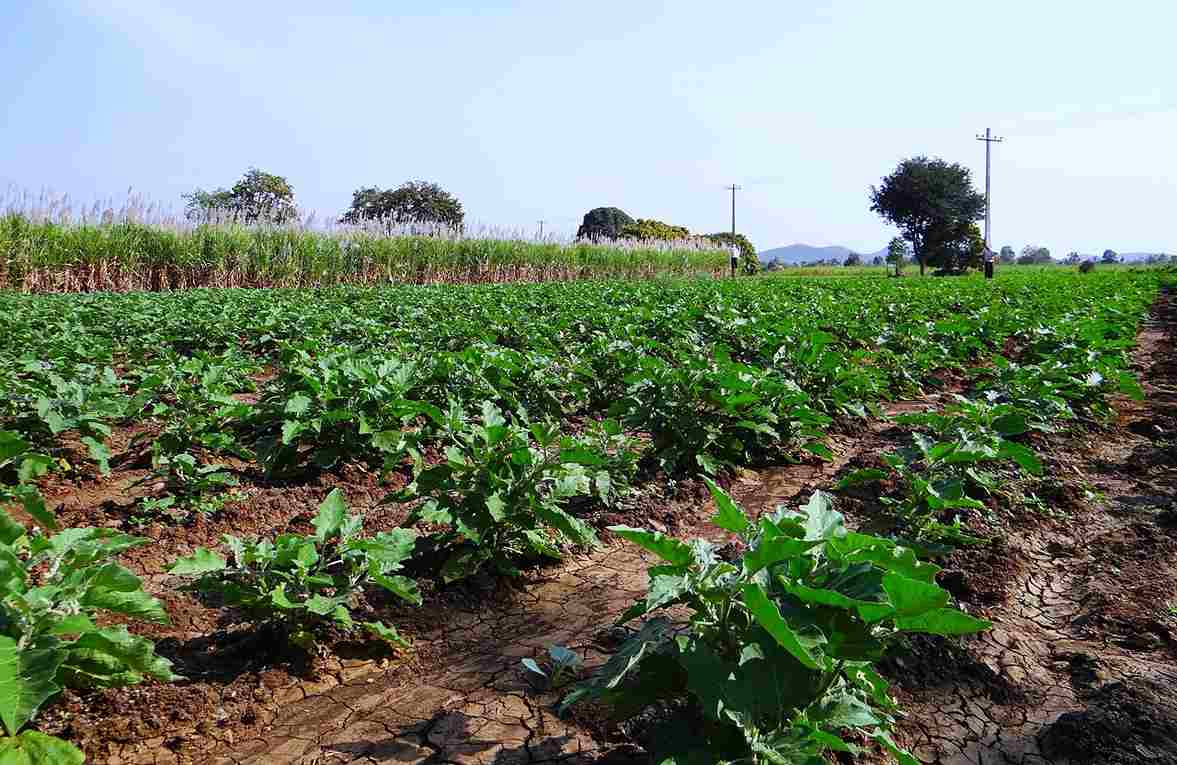
Eco-Friendly Farming is transforming the future of agriculture by creating a balance between productivity, soil health, and environmental responsibility. In today’s agricultural landscape, farmers are facing increasing challenges such as declining soil fertility, water scarcity, pest resistance, and the long-term effects of chemical-intensive cultivation. This is where Eco-Friendly Farming emerges as a practical and sustainable solution. It promotes farming methods that work in harmony with nature, reduce harmful inputs, and preserve vital natural resources for future generations.
By focusing on organic matter, crop rotation, biological pest control, composting, and responsible water management, Eco-Friendly Farming supports healthier crops and stronger ecosystems. It does not simply aim for short-term yields; instead, it encourages consistent land productivity over time. Healthy soil structure, improved biodiversity, and reduced pollution all contribute to better farm resilience and long-term agricultural success. Another important benefit of Eco-Friendly Farming is its ability to meet the rising consumer demand for safe, responsibly grown food while also lowering the environmental footprint of farming operations.
As global attention shifts toward sustainability, Eco-Friendly Farming is becoming essential for extended productivity and agricultural stability. It represents a forward-thinking approach that protects the land, strengthens crop performance, and builds a more secure and sustainable future for farming communities.
Building Healthier Soil Through Eco-Friendly Farming
Eco-Friendly Farming begins with the soil, because healthy land is the true foundation of long-term agricultural success. When soil is treated with care and nourished naturally, it becomes more productive, more resilient, and better able to support crops season after season. Chemical-heavy farming often weakens soil structure over time, reducing microbial activity and depleting essential nutrients. In contrast, Eco-Friendly Farming encourages the use of compost, organic manure, green cover crops, and crop rotation to restore fertility and maintain balance within the soil ecosystem.
This natural approach improves aeration, water retention, and nutrient availability, all of which are necessary for strong root development and stable crop growth. Rich and living soil can better resist erosion and recover from environmental stress, making farms more prepared for changing climate conditions. By investing in soil health, farmers create a productive base that does not lose its strength after repeated cultivation. This is one of the greatest reasons why Eco-Friendly Farming supports extended productivity in both small and large-scale agricultural systems.
Reducing Environmental Stress While Improving Crop Performance
A major strength of Eco-Friendly Farming is its ability to reduce environmental harm while still maintaining strong crop performance. Traditional methods that depend heavily on synthetic fertilizers and pesticides may deliver quick results, but they can also contaminate water bodies, damage beneficial organisms, and create long-term ecological imbalances. Eco-Friendly Farming offers a smarter path by promoting biological pest management, natural nutrient cycles, and efficient use of farm resources.
When farmers reduce chemical dependency, they protect pollinators, earthworms, and helpful microbes that contribute directly to crop health. These living components of the farm environment play a powerful role in maintaining natural balance and preventing pest outbreaks. At the same time, environmentally responsible practices such as mulching and drip irrigation help conserve water and reduce stress on crops during dry periods. As a result, Eco-Friendly Farming improves the farm’s ability to produce quality crops without exhausting the surrounding ecosystem.
This balance between environmental care and crop productivity is essential for agriculture that is meant to last. Sustainable fields are not just greener in appearance; they are more efficient, more dependable, and better prepared for future demands.
Strengthening Long-Term Farm Productivity and Farmer Confidence
Extended productivity is not only about producing more today but also about protecting the ability to produce tomorrow. Eco-Friendly Farming helps farmers build systems that remain stable, cost-effective, and productive over the long term. By using local organic resources, reducing input waste, and improving natural soil cycles, farmers often lower production costs while enhancing the quality of their yields. This creates a more secure farming model that is less dependent on expensive external inputs.
Another important advantage of Eco-Friendly Farming is the confidence it gives to farmers. When agricultural practices support natural regeneration instead of depletion, farmers gain better control over the future of their land. They are less vulnerable to soil exhaustion, declining fertility, and the repeated need for harsher chemical interventions. Over time, this leads to stronger farm management, improved sustainability, and greater trust in the productivity of the land.
As food systems continue to evolve, Eco-Friendly Farming stands out as a wise and necessary approach for modern agriculture. It protects natural resources, improves farm resilience, and ensures that productivity can be extended without sacrificing the health of the environment. For farmers who want lasting results, stronger land, and a responsible agricultural future, Eco-Friendly Farming is not just an option but an essential path forward.
Conclusion
In conclusion, Eco-Friendly Farming is a powerful approach for achieving sustainable growth, healthier soil, and long-term agricultural success. By reducing chemical dependence, conserving natural resources, and improving soil fertility, Eco-Friendly Farming supports stronger crops and a more balanced ecosystem. It helps farmers maintain productivity without harming the environment, making it an ideal solution for modern agricultural challenges. As the demand for sustainable practices continues to grow, Eco-Friendly Farming will remain essential for extended productivity, environmental protection, and future-ready farming systems that benefit both growers and the generations that follow.
Choose Smarter Farming. Choose Sustainable Growth.
Take the next step toward a greener, healthier, and more productive agricultural future with solutions you can trust. At Indochem Agrovet, we believe real progress begins with responsible farming practices that protect your soil, strengthen your crops, and support long-term success. Whether you are looking to improve farm performance, adopt better input solutions, or build a more sustainable cultivation model, our team is ready to support your journey.
Mumbai Office
Parewala House No. 4, Vakola
Santacruz (East)
Mumbai – 400055
Kolkata Office
Block DD, House No. 197
1st Floor, Street No. 295
Action Area – 1, New Town
Kolkata, West Bengal – 700156
📞 Call Us: +91 98307 20311 / +91 83369 77770
✉️ Email: indochemcustomercare@gmail.com
🌐 Website: https://indochemagrovet.in/
Indochem Agrovet — Your growth partner in progressive agriculture.
