
Climate-Smart Farming for Harvests
A few years ago, I spoke with a farmer in Maharashtra who told me something very simple but very powerful: “The weather is no longer predictable, but farming cannot stop.” That one sentence explains why climate-smart farming is no longer just a modern concept — it has become a necessity for farmers across India. From irregular rainfall and sudden heat waves to soil degradation and water shortages, farmers today are facing challenges that previous generations did not experience at this scale. Yet, many farmers are adapting, experimenting, and finding smarter ways to grow crops with fewer resources and less risk.
Climate-smart farming is not only about using advanced technology or expensive equipment. In reality, many climate-smart practices are based on traditional knowledge combined with modern agricultural science. Farmers are changing sowing dates, using drought-resistant seeds, adopting organic soil conditioners, practicing crop rotation, and improving water management. These are practical decisions made in the field, not just theories discussed in seminars.
In India, the impact of climate change is very visible. Rice farmers in West Bengal face unexpected flooding, wheat farmers in North India face rising temperatures, and farmers in Rajasthan deal with water scarcity every year. Government programs such as PM-KSY (Pradhan Mantri Krishi Sinchayee Yojana), Soil Health Card Scheme, and promotion of micro-irrigation systems are encouraging farmers to adopt climate-smart practices. However, the real change is happening when farmers themselves start observing their soil, water, and crop patterns more carefully and make informed decisions.
From my observation and discussions with agricultural professionals and farmers, the most successful farmers today are not necessarily those with the biggest land holdings, but those who are willing to adapt. They test new methods on small plots, mix organic and chemical fertilizers carefully, use weather information before sowing, and focus on improving soil health rather than only increasing fertilizer use. Climate-smart farming is therefore not just about protecting the environment — it is about protecting the farmer’s income, crop yield, and future generations.
Climate-smart farming ultimately means farming with awareness — awareness of soil health, water usage, climate patterns, and continuous practices. Farmers who adopt these methods are not only improving their harvests but also making their farms more resilient, profitable, and sustainable in the long run.
The Changing Climate and Its Impact on Farming
If we talk to farmers today compared to 15–20 years ago, almost everyone says the same thing — the seasons are no longer predictable. Earlier, farmers could plan sowing and harvesting based on traditional weather patterns. Monsoon used to arrive almost on time, winters were longer, and summer temperatures were more stable. Today, everything feels uncertain. Rain comes late or sometimes too much rain falls in just a few days, damaging crops instead of helping them grow.
In many parts of India, farmers are facing new kinds of problems. In West Bengal and Assam, heavy rainfall and flooding damage paddy fields. In Maharashtra and Karnataka, drought and water shortage affect sugarcane, cotton, and soybean crops. In North India, rising temperatures are reducing wheat yields because the crop matures faster than it should. These changes directly affect farmers’ income because even a small weather change can reduce production significantly.
I once heard a farmer say that earlier the biggest challenge was pests, but now the biggest challenge is weather uncertainty. This statement clearly shows how farming risks are changing. Farmers now not only fight pests and soil problems but also unpredictable climate conditions. Because of this, traditional farming methods alone are sometimes not enough to maintain good harvests.
Another major problem is soil health. Due to excessive use of chemical fertilizers over many years, soil in many areas has lost its natural nutrients and organic matter. When soil health becomes poor, crops become weak and more sensitive to heat, drought, and heavy rain. So climate change and soil degradation together create a bigger problem for farmers.
This is exactly why climate-smart farming is becoming important. It helps farmers adapt to changing weather, protect soil health, use water efficiently, and maintain stable crop yields even in difficult conditions. Climate-smart farming is not a single technique — it is a combination of smart decisions, better soil management, efficient irrigation, crop planning, and sustainable farming practices.
Farmers who have started using climate-smart practices often say that their soil retains more moisture, crops survive better during dry periods, and overall farming risk is reduced. The goal is not only higher production but also stable and reliable production, which is more important for farmers’ long-term income and security.
The Changing Climate and Its Impact on Farming
If we talk to farmers today compared to 15–20 years ago, almost everyone says the same thing — the seasons are no longer predictable. Earlier, farmers could plan sowing and harvesting based on traditional weather patterns. Monsoon used to arrive almost on time, winters were longer, and summer temperatures were more stable. Today, everything feels uncertain. Rain comes late or sometimes too much rain falls in just a few days, damaging crops instead of helping them grow.
In many parts of India, farmers are facing new kinds of problems. In West Bengal and Assam, heavy rainfall and flooding damage paddy fields. In Maharashtra and Karnataka, drought and water shortage affect sugarcane, cotton, and soybean crops. In North India, rising temperatures are reducing wheat yields because the crop matures faster than it should. These changes directly affect farmers’ income because even a small weather change can reduce production significantly.
I once heard a farmer say that earlier the biggest challenge was pests, but now the biggest challenge is weather uncertainty. This statement clearly shows how farming risks are changing. Farmers now not only fight pests and soil problems but also unpredictable climate conditions. Because of this, traditional farming methods alone are sometimes not enough to maintain good harvests.
Another major problem is soil health. Due to excessive use of chemical fertilizers over many years, soil in many areas has lost its natural nutrients and organic matter. When soil health becomes poor, crops become weak and more sensitive to heat, drought, and heavy rain. So climate change and soil degradation together create a bigger problem for farmers.
This is exactly why climate-smart farming is becoming important. It helps farmers adapt to changing weather, protect soil health, use water efficiently, and maintain stable crop yields even in difficult conditions. Climate-smart farming is not a single technique — it is a combination of smart decisions, better soil management, efficient irrigation, crop planning, and sustainable farming practices.
Farmers who have started using climate-smart practices often say that their soil retains more moisture, crops survive better during dry periods, and overall farming risk is reduced. The goal is not only higher production but also stable and reliable production, which is more important for farmers’ long-term income and security.
Benefits for Farmers
The biggest benefit of climate-smart farming is reduced risk. Farming always depends on weather, but climate-smart practices help farmers reduce losses when weather conditions are not favorable.
Another major benefit is better soil health. When soil health improves, crops grow stronger, require less chemical fertilizer, and produce better quality yield. Healthy soil also retains more water, which means irrigation frequency can be reduced.
Farmers who adopt climate-smart practices often notice stable yields rather than very high yield one year and very low yield the next year. Stability is very important for farmers because their income depends on consistent production.
Lower input cost is another advantage. When farmers use organic manure, crop rotation, and bio-fertilizers, the need for chemical fertilizers and pesticides often reduces. This saves money and also improves soil in the long term.
Climate-smart farming also helps in water conservation, which is becoming very important in many parts of India. Saving water today means farming can continue in the future.
Overall, climate-smart farming is not only good for the environment but also good for the farmer’s income, soil health, and long-term farm sustainability.
Indochem Agrovet’s Role in Climate-Smart Farming
Climate-smart farming practices are most successful when farmers have access to the right inputs, guidance, and soil health solutions. This is where companies like Indochem Agrovet play an important role by providing products that improve soil fertility, support plant growth, and reduce dependency on excessive chemical fertilizers.
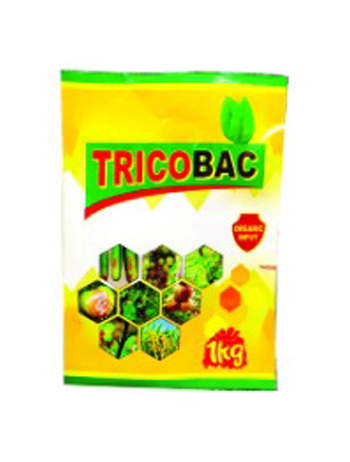
Many farmers today are realizing that soil health is the foundation of climate-smart farming. If the soil is healthy, it can retain more moisture, provide better nutrients to crops, and help plants survive during drought or irregular rainfall. Indochem Agrovet focuses on solutions such as organic soil conditioners, bio-fertilizers, and plant growth promoters that help improve soil structure and nutrient availability.
Farmers who have started using soil conditioners and bio-fertilizers often notice that their soil becomes softer, crop roots grow deeper, and water retention improves. This is very important in climate-smart farming because moisture retention in soil can protect crops during dry spells. Better soil structure also improves fertilizer efficiency, which means farmers may use less chemical fertilizer over time.
Another important aspect of climate-smart farming is balanced nutrition. Instead of using only urea or chemical fertilizers, farmers are now encouraged to use integrated nutrient management, which includes organic inputs, bio-fertilizers, and micronutrients. Indochem Agrovet’s agricultural solutions support this balanced approach, helping farmers maintain soil health while improving crop productivity.
Climate-smart farming is ultimately about long-term sustainability, not just one season’s yield. By improving soil organic matter, supporting beneficial microorganisms, and helping plants grow stronger, Indochem Agrovet’s products contribute to more resilient farming systems. Farmers who focus on soil health today are actually investing in their farm’s future productivity.
In the coming years, climate change will continue to affect agriculture, but with the right farming practices and the right agricultural inputs, farmers can protect their crops, improve yields, and maintain soil health for future generations. Companies that support sustainable agriculture will therefore play a key role in building climate-resilient farming systems in India.
Conclusion
Climate change is becoming a reality that farmers cannot ignore. Irregular rainfall, rising temperatures, water shortages, and soil degradation are making traditional farming more difficult every year. In such a situation, climate-smart farming offers a practical and sustainable way forward.
Climate-smart farming does not mean completely changing farming methods overnight. It means making smarter decisions about soil health, water management, crop selection, and fertilizer use. Small steps like crop rotation, organic matter addition, mulching, efficient irrigation, and climate-resistant seeds can make farms more productive and more resilient to climate changes.
The farmers who adapt and adopt these practices today will be better prepared for the future. Healthy soil, efficient water use, and stable crop yields will ensure better income and long-term sustainability. Climate-smart farming is therefore not just about better harvests today, but also about protecting farming for the next generation.
FAQs
- What is climate-smart farming?
Climate-smart farming is an approach that helps farmers increase crop production, adapt to climate change, and protect natural resources like soil and water. - Is climate-smart farming expensive?
Not necessarily. Many practices like crop rotation, compost use, mulching, and proper irrigation management are low-cost but very effective. - How does climate-smart farming improve soil health?
It improves soil health by adding organic matter, reducing excessive chemical use, and maintaining soil moisture and nutrients. - Can small farmers adopt climate-smart farming?
Yes, small farmers can easily adopt practices like crop rotation, organic manure, mulching, and water management without large investments. - What are the main benefits of climate-smart farming?
The main benefits include better soil health, stable crop yield, reduced farming risk, water conservation, and improved farmer income.
Start Your Climate-Smart Farming Journey with Indochem Agrovet
Farming is changing, and farmers who focus on soil health and sustainable practices today will be better prepared for tomorrow. Climate-smart farming does not start with big investments — it starts with small, smart steps like improving soil fertility, using the right nutrients, and taking care of the land that feeds us.
Indochem Agrovet is here to support farmers in building healthier soil, stronger crops, and better harvests. Connect with Indochem Agrovet and take the first step towards smarter, more sustainable farming.
