
Organic Farming Products Benefits
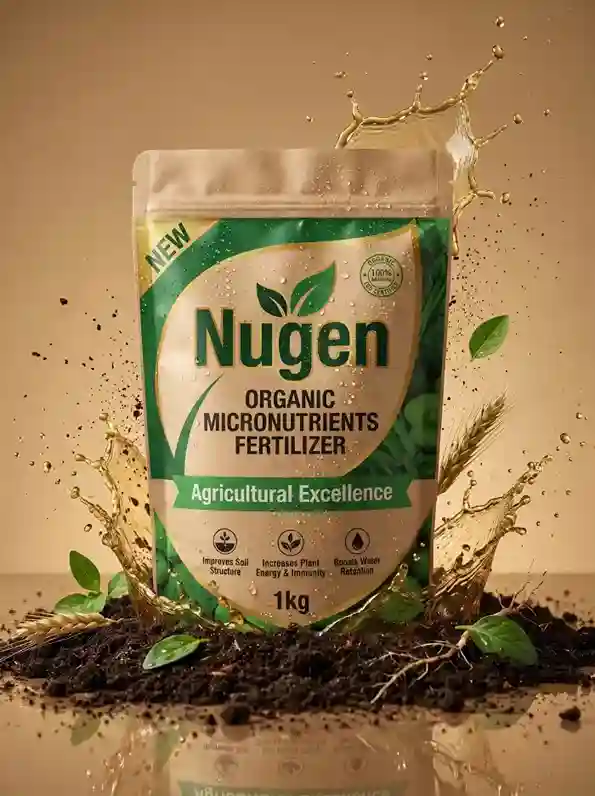
Modern agriculture is evolving rapidly as farmers seek eco-friendly solutions that improve productivity while preserving soil health and environmental balance. The increasing demand for chemical-free cultivation methods has encouraged growers to adopt Organic Farming Products that support sustainable farming practices. These products play a vital role in enhancing soil fertility, improving crop quality, and reducing dependency on synthetic chemicals. By integrating organic solutions into farming operations, cultivators can achieve healthier crops, stronger root systems, and better long-term agricultural sustainability.
Consumers today are more conscious about the quality and safety of the food they consume. This shift has encouraged agricultural producers to explore environmentally responsible farming techniques that prioritize natural growth processes. Organic farming products help maintain ecological balance by promoting beneficial microorganisms, improving nutrient availability, and enhancing water retention capacity in the soil.
Sustainable agriculture is no longer just a trend; it has become a necessity for ensuring future food security. Farmers who invest in organic cultivation methods often experience improved soil structure and reduced environmental impact. These benefits contribute to stronger crop resilience against changing climatic conditions and various agricultural challenges.
As agricultural industries continue embracing greener solutions, the role of organic inputs becomes increasingly significant. From bio-fertilizers to natural growth promoters, these products provide essential support for healthier crop production. Understanding their importance and applications can help farmers make informed decisions that benefit both their farms and the environment.
The Growing Importance of Sustainable Agriculture
Building Healthier Soil Ecosystems
Healthy soil serves as the foundation of productive agriculture. Sustainable farming practices focus on nurturing soil biology rather than relying solely on synthetic nutrient applications. Organic inputs encourage microbial activity, improve soil texture, and enhance nutrient cycling.
When soil remains biologically active, crops gain access to essential nutrients naturally. This process reduces nutrient losses and promotes consistent plant growth throughout the cultivation cycle.
Benefits of Natural Farming Inputs
The adoption of Natural Farming Inputs offers numerous advantages for modern agricultural operations. These inputs help improve soil fertility while minimizing environmental risks associated with excessive chemical usage.
Key benefits include:
- Enhanced soil microbial activity
- Improved nutrient availability
- Better water retention capacity
- Increased crop resilience
- Reduced environmental pollution
- Long-term soil sustainability
Farmers who utilize natural farming inputs often report healthier crops and improved productivity over multiple growing seasons.
Supporting Environmental Conservation
Sustainable agriculture contributes significantly to environmental protection. Organic farming solutions reduce chemical runoff, protect groundwater quality, and preserve biodiversity within agricultural ecosystems.
The use of natural agricultural products also supports beneficial insects and microorganisms that play essential roles in pollination and pest management. This balanced approach helps create resilient farming systems capable of adapting to environmental challenges.
How Organic Agricultural Solutions Improve Crop Performance
Enhanced Nutrient Absorption
Organic inputs facilitate gradual nutrient release, ensuring crops receive essential elements throughout their growth stages. This balanced nutrition promotes stronger root development and healthier plant growth.
Improved Plant Resistance
Healthy plants naturally exhibit greater resistance to pests, diseases, and environmental stress. Organic farming solutions strengthen plant defense mechanisms, helping crops withstand adverse conditions more effectively.
Better Quality Harvests
Many farmers observe improvements in crop appearance, taste, and market value when using organic cultivation practices. Enhanced soil health often translates into higher-quality agricultural produce that meets consumer expectations.
Frequently Asked Questions
What are organic farming products?
Organic farming products include bio-fertilizers, compost-based formulations, microbial solutions, and plant-based growth enhancers designed to support sustainable agricultural production without excessive reliance on synthetic chemicals.
Why are natural farming inputs becoming popular?
Farmers are increasingly adopting these solutions because they improve soil health, enhance crop productivity, and reduce environmental impact while supporting long-term agricultural sustainability.
Can organic products improve soil fertility?
Yes. Organic products contribute organic matter and beneficial microorganisms that enhance nutrient cycling, improve soil structure, and increase overall fertility over time.
Are organic farming solutions suitable for all crops?
Most organic farming solutions can be adapted for a wide range of crops, including cereals, vegetables, fruits, and plantation crops. Application methods may vary depending on crop requirements.
How do sustainable farming practices benefit the environment?
Sustainable practices reduce chemical contamination, conserve natural resources, promote biodiversity, and help maintain ecological balance within agricultural systems.
Conclusion
The future of agriculture depends on sustainable practices that balance productivity with environmental responsibility. By incorporating Organic Farming Products and Natural Farming Inputs, farmers can build healthier soils, improve crop performance, and contribute to long-term agricultural sustainability.
Organic cultivation methods offer practical solutions for addressing many of the challenges faced by modern agriculture. From improving nutrient efficiency to strengthening plant resilience, these products provide comprehensive support throughout the crop growth cycle. Their ability to enhance soil biological activity creates a strong foundation for consistent and productive farming operations.
As consumer demand for environmentally responsible food production continues to grow, the importance of sustainable agricultural practices will become even more significant. Farmers who embrace organic solutions position themselves to meet evolving market expectations while protecting valuable natural resources.
Investing in organic agricultural inputs is not merely a short-term decision; it represents a commitment to preserving soil health, enhancing productivity, and ensuring future generations can continue to benefit from productive agricultural land. Sustainable farming remains one of the most effective pathways toward achieving resilient, profitable, and environmentally responsible agriculture.
Empower Your Fields with Proven Organic Farming Products
Agricultural success begins with choosing the right solutions for your crops and soil. High-quality organic products help farmers achieve sustainable growth while preserving the health of their land for future generations. Whether you aim to improve soil fertility, enhance crop quality, or adopt environmentally responsible farming practices, reliable organic agricultural solutions can make a significant difference.
At Indochem Agrovet, farmers can access innovative agricultural products designed to support modern sustainable farming goals. Their commitment to quality and agricultural excellence helps cultivators maximize productivity while maintaining ecological balance.
If you are ready to take your farming practices to the next level, explore trusted organic solutions that support healthier crops and stronger yields. Discover advanced agricultural products tailored to meet the needs of progressive farmers and agricultural professionals.
Visit the website today and learn how sustainable agricultural inputs can transform your farming operations:
Explore the complete range of solutions and start building a more productive and sustainable future for your farm.
