
Biological Fungicide for Farming
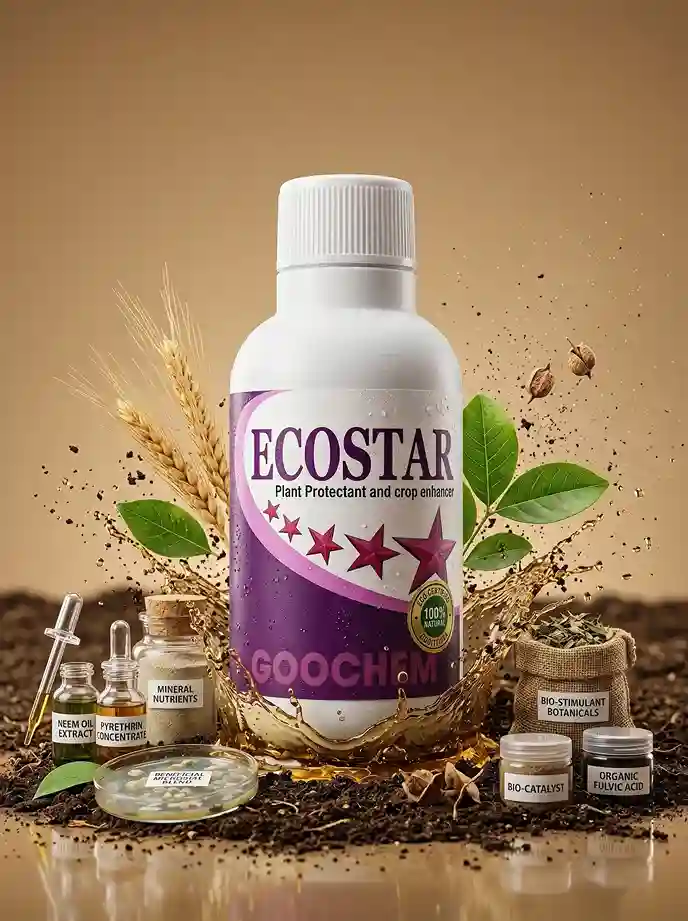
Modern farming is steadily moving toward safer and more responsible crop protection methods. Farmers today are not only concerned about yield but also about soil quality, long-term productivity, and residue-free produce. In this changing agricultural landscape, biological fungicide solutions are becoming increasingly valuable for protecting crops from fungal diseases without causing harm to the environment. These advanced formulations are designed to suppress harmful pathogens naturally while supporting healthier plant development and stronger resistance against recurring infections.
Unlike harsh chemical treatments, biological alternatives work in harmony with the soil ecosystem. They improve microbial balance, reduce stress on crops, and help maintain sustainable farming practices. Farmers cultivating vegetables, fruits, cereals, pulses, and commercial crops are now exploring eco-conscious disease management methods that deliver reliable results with minimal environmental impact. Another reason behind the rising popularity of these products is their compatibility with integrated nutrient and pest management programs.
Agricultural experts also recommend biological crop protection because repeated chemical applications can gradually reduce soil fertility and affect beneficial organisms. By using scientifically developed microbial solutions, growers can protect crops while preserving natural biodiversity. Companies like Indo Chem Agrovet are actively contributing to this shift by offering quality-driven agricultural inputs tailored for modern cultivation needs. With increasing awareness among growers, biological crop protection is expected to become a core part of sustainable agriculture in the coming years.
Understanding How Natural Crop Protection Works
Fungal diseases often spread rapidly due to humidity, poor soil conditions, and fluctuating temperatures. Traditional chemical applications may offer quick suppression, but repeated usage sometimes weakens soil biology over time. A properly formulated biological fungicide works differently by introducing beneficial microorganisms that compete with harmful pathogens and stop their development naturally.
These beneficial microbes colonize the root zone and create an unfavorable environment for disease-causing fungi. Some strains produce natural compounds that inhibit fungal growth, while others strengthen the plant’s internal defense system. This dual mechanism supports both disease control and crop vitality.
Farmers growing tomatoes, rice, wheat, grapes, cotton, and chilies often face recurring fungal infections such as damping-off, wilt, mildew, and root rot. Biological crop protection products can help reduce these problems when used consistently as part of a preventive strategy. Their residue-free nature also makes them suitable for growers targeting export-quality produce.
Common Mistakes Farmers Should Avoid
One common issue is applying microbial products under extremely high temperatures or direct sunlight. Beneficial organisms perform best under suitable environmental conditions, so early morning or evening application is generally preferred.
Another mistake is mixing biological products with incompatible chemical fungicides. Certain chemicals may destroy beneficial microbes before they become active in the soil or on plant surfaces. Farmers should always follow recommended compatibility guidelines and application schedules.
Storage conditions also matter. Exposure to excessive heat or moisture may reduce product effectiveness. Proper handling and timely usage ensure better field performance and consistent crop protection results.
Practical Tips for Better Results
Healthy soil preparation improves the performance of microbial crop protection products. Organic matter, proper irrigation, and balanced nutrition create favorable conditions for beneficial organisms to multiply effectively.
Seed treatment is another useful practice. Applying microbial formulations during seed treatment can help protect young seedlings during their vulnerable growth stages. Drip irrigation systems may also improve distribution efficiency in commercial farming operations.
Crop rotation and field sanitation should not be ignored. Removing infected plant debris and alternating crops help minimize fungal pressure naturally. Combining these practices with biological disease management creates a more balanced and productive farming system.
Expert Advice for Sustainable Farming
Agricultural specialists often advise farmers to focus on prevention rather than emergency disease control. Once severe fungal infections spread, crop recovery becomes difficult and costly. Preventive microbial applications during early growth stages usually provide stronger long-term protection.
Experts also encourage farmers to adopt integrated farming practices where nutrition management, irrigation control, and biological protection work together. This balanced approach improves plant vigor and reduces dependence on excessive chemical usage.
Reliable manufacturers play an important role in this process. Farmers should select products from experienced agricultural companies that maintain strict quality standards and scientific formulation practices. Consistency in microbial count, storage stability, and field performance significantly influences results in large-scale farming operations.
Frequently Asked Questions
What crops benefit most from biological disease management?
Vegetables, fruits, cereals, pulses, spices, and plantation crops can all benefit from microbial crop protection methods. These products are widely used in both organic and conventional farming systems.
Is biological fungicide safe for soil health?
Yes. These formulations are generally considered environmentally friendly because they support beneficial microbial activity and reduce harmful chemical buildup in the soil ecosystem.
Can biological products replace chemical fungicides completely?
In many situations, they can reduce dependency on chemicals significantly. However, integrated management practices are often recommended for severe disease pressure or commercial-scale farming.
How long does it take to see results?
Performance depends on crop condition, disease severity, environmental factors, and application timing. Preventive usage generally provides better and more consistent outcomes.
Are microbial fungicides suitable for export crops?
Yes. Their low-residue nature makes them suitable for growers targeting premium and export-quality agricultural produce.
Conclusion
Modern agriculture requires solutions that protect crops while preserving environmental balance and long-term soil productivity. The growing acceptance of biological fungicide products reflects the agricultural sector’s movement toward safer and more sustainable farming methods. These advanced microbial formulations not only help suppress fungal diseases but also support healthier root development, improved nutrient absorption, and stronger crop resilience.
Farmers today understand that productivity is closely connected to soil vitality and ecological stability. Excessive chemical dependency may offer temporary control, but sustainable cultivation demands a more balanced approach. Biological disease management supports this transition by encouraging natural microbial activity and reducing harmful residue accumulation.
Consistent application, proper storage, and integration with good farming practices can significantly improve results in the field. Growers who combine preventive care, crop rotation, balanced nutrition, and microbial protection often achieve healthier harvests and improved soil conditions over time.
Trusted agricultural companies continue developing innovative solutions that align with the changing needs of modern farming. Choosing quality-driven products from experienced manufacturers helps farmers build stronger, more productive, and environmentally responsible agricultural systems for future generations.
Empower Your Fields with Biological Fungicide Solutions
Healthy crops begin with intelligent protection strategies. Farmers who invest in sustainable disease management are building stronger agricultural futures with improved soil health, cleaner produce, and better long-term productivity. Advanced microbial solutions are transforming modern farming by helping growers reduce fungal damage while maintaining environmental balance.
At Indo Chem Agrovet, innovation and agricultural expertise come together to support farmers with reliable crop protection and nutrition solutions. Their commitment to quality, research, and field performance makes them a dependable partner for growers seeking effective agricultural inputs. Whether you manage vegetable farms, fruit orchards, cereals, or commercial crops, choosing the right microbial protection system can make a meaningful difference in plant health and yield consistency.
Take a smarter step toward sustainable farming with scientifically developed agricultural products designed for modern cultivation challenges. Visit the official website today to explore advanced farming solutions, improve crop resilience, and support healthier agricultural growth for the seasons ahead.
