
Chemical Free Farming Benefits
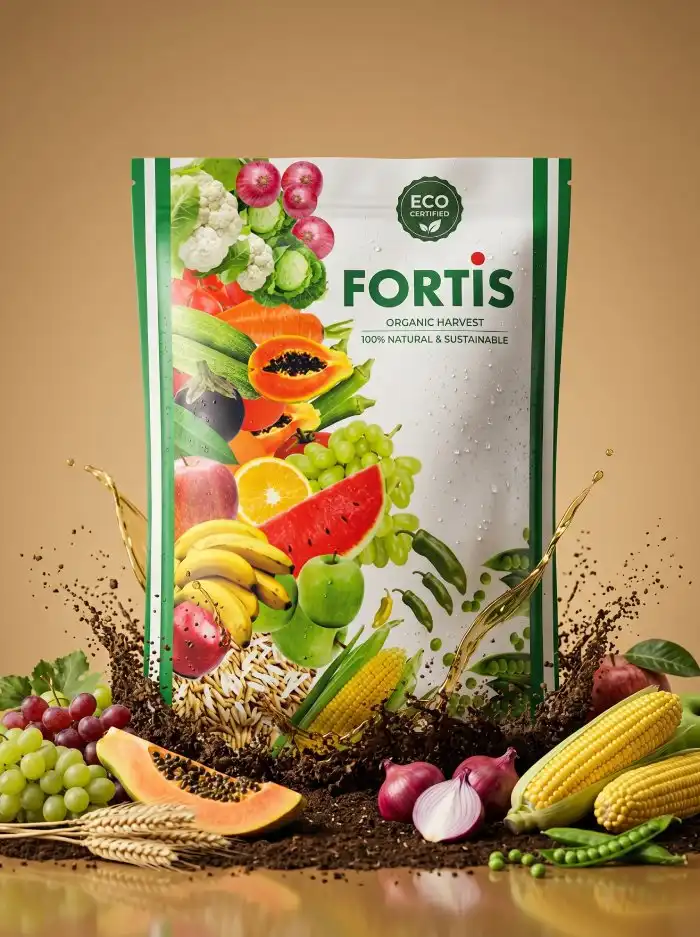
Modern agriculture is evolving rapidly as farmers and consumers become more conscious about food safety, environmental balance, and long-term soil health. Across the world, growers are searching for methods that reduce dependency on harmful synthetic inputs while improving crop quality and farm sustainability. This shift has brought natural cultivation practices into the spotlight, encouraging healthier ecosystems and safer agricultural production. Among these eco-friendly methods, chemical free farming has emerged as a reliable and responsible solution for modern agriculture.
Farmers adopting natural cultivation practices are witnessing significant improvements in soil fertility, water retention, and biodiversity. Unlike conventional farming systems that often rely heavily on chemical fertilizers and pesticides, natural methods focus on restoring the biological balance of the soil. Healthy soil supports stronger roots, resilient crops, and better nutrient absorption. As a result, farms become more productive over time without causing long-term environmental damage.
Consumers are also becoming more selective about the food they purchase. Demand for residue-free vegetables, fruits, grains, and pulses is increasing because people now understand the connection between healthy food and overall wellness. This growing awareness has created better market opportunities for farmers who follow sustainable practices.
Another major advantage of natural farming is cost efficiency. Excessive chemical use often increases production expenses while gradually degrading land quality. Sustainable methods help farmers reduce unnecessary expenditure and improve profitability through natural nutrient management and organic crop protection techniques.
Climate change and environmental pollution are additional concerns driving the transition toward eco-conscious farming. Soil erosion, groundwater contamination, and declining biodiversity are serious challenges associated with excessive chemical use. Natural cultivation techniques help preserve ecological balance and support long-term agricultural sustainability.
The future of agriculture depends on methods that nourish both the land and the people who rely on it. By adopting safer and environmentally responsible farming systems, growers can secure healthier harvests, protect natural resources, and create a sustainable future for the next generation.
Importance of Sustainable Soil Management
Restoring Soil Fertility Naturally
Healthy soil is the foundation of successful agriculture. Continuous use of synthetic fertilizers can weaken soil structure and reduce microbial activity. Sustainable farming methods improve organic matter content and encourage beneficial microorganisms that naturally enrich the soil. Farmers using compost, vermicompost, crop rotation, and green manure often experience improved productivity over time.
Enhancing Water Conservation
One of the biggest challenges in agriculture is water scarcity. Natural farming practices improve the soil’s ability to retain moisture, reducing irrigation requirements. Mulching and organic soil amendments help prevent evaporation and maintain proper hydration for crops. This makes farming more resilient during drought conditions.
Eco-Friendly Crop Protection Methods
Natural Pest Control Solutions
Farmers can protect crops without excessive chemical pesticides by using biological pest control methods. Neem extracts, herbal sprays, beneficial insects, and trap crops help reduce pest populations naturally. These methods protect crops while preserving pollinators and beneficial organisms.
Safer Food Production
Consumers increasingly prefer food grown without harmful residues. Chemical free farming supports the production of cleaner and healthier crops that meet rising market demand. Farmers who follow eco-friendly cultivation practices often gain better customer trust and premium pricing opportunities.
Economic Benefits for Farmers
Reduced Input Costs
Chemical fertilizers and pesticides are becoming increasingly expensive. Natural farming reduces dependency on external chemical inputs by encouraging farm-made solutions and organic nutrient management. This lowers production costs and improves profitability over time.
Long-Term Agricultural Stability
Sustainable cultivation practices protect farmland from degradation and maintain productivity for future generations. Farmers investing in soil health today create stronger and more resilient agricultural systems for tomorrow.
Frequently Asked Questions
What is natural farming?
Natural farming is an agricultural approach that minimizes or avoids synthetic fertilizers and pesticides while focusing on soil health, biodiversity, and ecological balance.
Is natural farming profitable?
Yes, many farmers experience reduced production costs and increased market demand for naturally grown produce. Over time, healthier soil can also improve crop productivity.
Can natural methods control pests effectively?
Biological pest management methods such as neem oil, beneficial insects, and herbal sprays can effectively reduce pest damage without harming the environment.
Why are consumers choosing sustainable produce?
People are becoming more aware of food safety and environmental health. Produce grown through chemical free farming is often considered healthier and safer for consumption.
Does natural farming improve soil quality?
Yes, sustainable practices increase organic matter, support beneficial microbes, and improve soil structure, resulting in better long-term fertility.
Conclusion
Agriculture is entering a new era where sustainability, environmental protection, and food safety are becoming essential priorities. Farmers worldwide are recognizing that long-term productivity cannot depend solely on synthetic fertilizers and pesticides. Healthy soil, balanced ecosystems, and natural resource conservation are now critical for the future of farming. In this changing agricultural landscape, chemical free farming offers a practical and environmentally responsible path forward.
Natural cultivation methods support stronger soil fertility, better water retention, and healthier crops while reducing harmful environmental impact. Farmers adopting sustainable techniques often benefit from lower production costs, improved crop quality, and growing consumer demand for safer food products. These practices also help preserve biodiversity and reduce pollution caused by excessive chemical use.
Consumers are increasingly supporting agricultural systems that prioritize health and sustainability. This shift creates new opportunities for farmers and agricultural businesses committed to eco-friendly production methods. By investing in natural farming practices today, growers can secure long-term profitability while protecting the environment for future generations.
The future of agriculture depends on balanced farming systems that nurture both people and the planet. Sustainable farming is not just a trend; it is a necessary step toward healthier food production, stronger rural economies, and environmental preservation.
Grow Better with Chemical Free Farming Solutions
Modern agriculture requires smart, sustainable, and reliable solutions that protect both crops and the environment. Farmers looking to improve soil fertility, increase productivity, and produce healthier crops can benefit greatly from advanced natural farming products and innovative agricultural support. chemical free farming is becoming the preferred choice for growers who want long-term success without harming soil health or ecological balance.
At Indochem Agrovet, farmers can discover high-quality agricultural solutions designed to support sustainable cultivation practices. The company focuses on helping growers improve crop performance through eco-friendly and effective farming inputs that encourage healthier soil and stronger plant growth.
Whether you are a small farmer or managing large-scale agricultural operations, choosing trusted agricultural products can make a significant difference in productivity and profitability. Sustainable farming is an investment in the future, and the right guidance can help you achieve better yields while protecting valuable natural resources.
Visit https://indochemagrovet.in/ today to explore innovative farming solutions, learn more about sustainable agricultural practices, and take the next step toward a healthier and more productive farming future.
