
Smart Farming with Organic Inputs
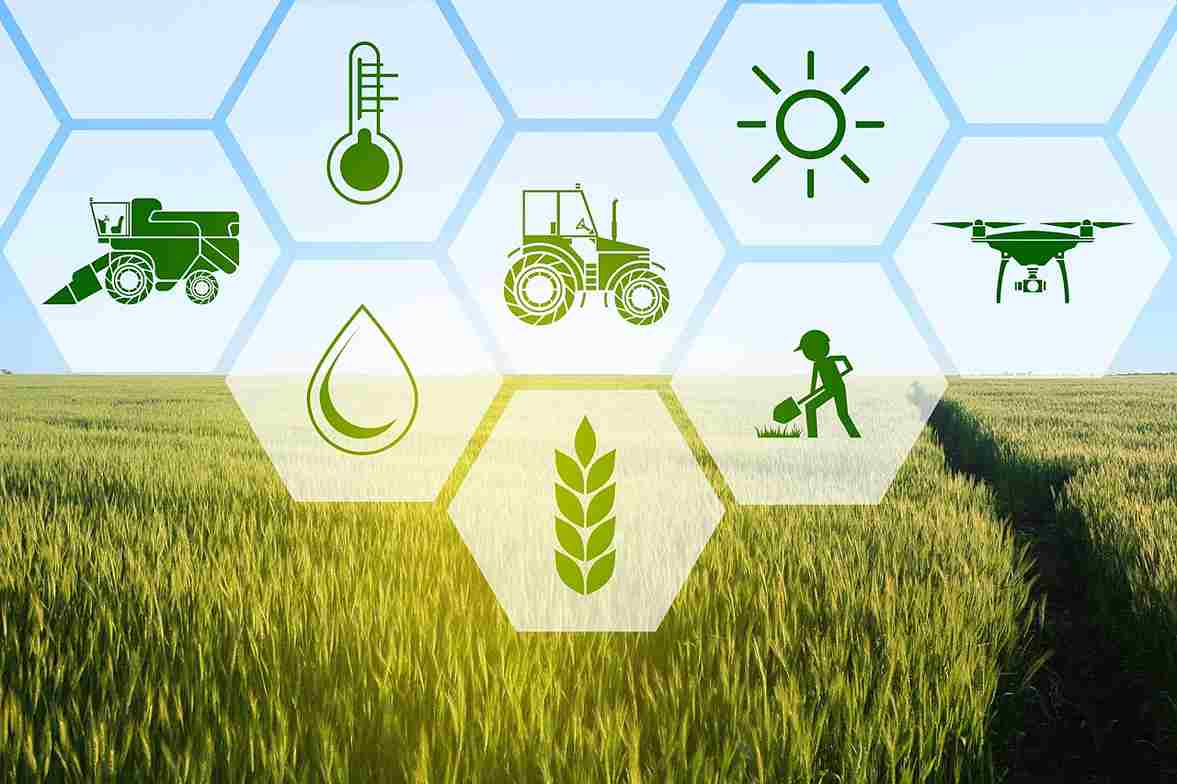
Farming has entered a new phase where efficiency and responsibility go hand in hand. Smart farming is no longer about expensive machines alone—it is about making better decisions with the right inputs, especially organic ones that protect both soil and yield. Across India and globally, farmers are gradually shifting toward natural inputs that improve productivity without damaging long-term soil health. This approach blends traditional wisdom with modern techniques, creating a balanced farming system that actually works in real conditions.
Organic inputs such as bio-fertilizers, compost, plant-based pesticides, and microbial solutions are now being used alongside data-driven practices like soil testing and crop monitoring. The goal is simple: increase output while reducing dependency on harmful chemicals. When done right, this method not only boosts crop quality but also improves soil structure, water retention, and long-term farm sustainability.
What makes this approach stand out is its practicality. It’s not about completely replacing everything overnight. Instead, farmers can gradually introduce organic inputs into their existing systems, observe the results, and scale up accordingly. Over time, this reduces input costs and builds resilience against unpredictable weather patterns.
Why Organic Inputs Are Gaining Ground
Farmers are becoming more aware of how chemical-heavy practices affect soil fertility. Continuous use of synthetic fertilizers often leads to nutrient imbalance, making crops dependent on repeated applications. Organic inputs, on the other hand, work differently. They enrich the soil rather than just feeding the plant.
Bio-fertilizers introduce beneficial microorganisms that help plants absorb nutrients more efficiently. Natural pest control methods reduce damage without harming beneficial insects. Compost improves soil texture, making it easier for roots to grow and absorb water.
This shift is not just about sustainability—it’s also about profitability. Healthier soil reduces the need for repeated chemical inputs, which lowers overall farming costs. At the same time, consumers are increasingly willing to pay more for cleaner, residue-free produce.
Real Story: A Farmer’s Shift That Paid Off
Ramesh Patel, a mid-sized farmer from Gujarat, struggled with declining yields despite increasing his fertilizer usage. Over time, his soil became hard and less productive. On advice from an agricultural consultant, he decided to introduce organic inputs into his routine.
He started small—using bio-fertilizers on one acre and switching to neem-based pest control. Within one season, he noticed improved soil moisture and healthier crop growth. By the second year, his overall input cost dropped by nearly 30%, while yields improved steadily.
Today, Ramesh combines traditional practices with modern insights. His experience shows that the transition doesn’t require drastic changes—just consistent, informed decisions.
Common Mistakes Farmers Should Avoid
Even the best intentions can go wrong if the approach isn’t correct. Many farmers try organic inputs but fail to see results because of a few common mistakes.
One major issue is expecting immediate results. Organic inputs take time to build soil health, unlike chemical fertilizers that show quick but short-lived effects. Another mistake is incorrect application. Using the wrong quantity or timing can reduce effectiveness.
Some farmers also mix incompatible products, which can harm beneficial microbes. And perhaps the most overlooked factor is soil testing. Without understanding soil needs, even the best inputs may not deliver the desired outcome.
Practical Tips for Better Results
A few simple practices can make a big difference when adopting this method. Start by testing your soil to understand nutrient deficiencies. This helps in choosing the right combination of inputs.
Next, begin with a small portion of your land. Observe how crops respond and gradually expand the use of organic inputs. Consistency is key—regular application improves long-term results.
Water management also plays a crucial role. Organic-rich soil retains moisture better, but overwatering can still harm crops. Monitoring irrigation ensures optimal growth.
Finally, maintain proper crop rotation. Different crops draw different nutrients, and rotating them helps maintain soil balance naturally.
Expert Advice from Indochem Agrovet
Experts at Indochem Agrovet emphasize a balanced approach. According to their agricultural specialists, farmers should not think of organic inputs as a complete replacement but as a strategic enhancement.
They recommend integrating bio-solutions with existing farming systems to improve efficiency. Their research highlights that microbial-based products can significantly increase nutrient uptake while reducing dependency on chemical fertilizers.
Another key suggestion is to focus on long-term soil health rather than short-term gains. Healthy soil acts as a natural support system, reducing risks and improving crop resilience over time.
How Technology Supports Organic Farming
Modern farming tools are making it easier to adopt sustainable practices. Soil sensors, weather forecasting apps, and crop monitoring systems help farmers make informed decisions.
When combined with organic inputs, these tools create a powerful system. For instance, knowing the exact moisture level helps in applying compost or bio-fertilizers more effectively. Similarly, pest prediction tools can guide the timely use of natural pest control methods.
This integration is what truly defines smart farming today—a thoughtful blend of technology and nature.
Customer Testimonials
John Miller, California
“I was skeptical at first, but after using organic inputs, my soil quality improved noticeably. The results were gradual but worth it.”
Emily Carter, Texas
“My vegetable farm now produces better quality crops, and customers can taste the difference. It’s been a game changer.”
David Thompson, Florida
“I reduced my chemical usage significantly. The cost savings alone made the switch worthwhile.”
Sophia Williams, Oregon
“The soil feels alive again. My crops are healthier, and I don’t worry about long-term damage anymore.”
Michael Brown, Iowa
“Combining organic inputs with modern tools gave me better control over my farm. It’s a smarter way to grow.”
Frequently Asked Questions
Q1: Can organic inputs fully replace chemical fertilizers?
Not immediately. A gradual transition works best to maintain yield stability while improving soil health.
Q2: How long does it take to see results?
Initial improvements may appear within one season, but significant changes usually take a couple of crop cycles.
Q3: Are organic inputs expensive?
They may seem costly initially, but they reduce long-term expenses by improving soil fertility and reducing chemical dependency.
Q4: Do organic methods control pests effectively?
Yes, when used correctly. Natural pest control methods can be highly effective without harming beneficial organisms.
Q5: Is this approach suitable for all crops?
Most crops respond well, but the choice of inputs should be tailored to specific crop needs and soil conditions.
Conclusion
The future of agriculture lies in balance. Farmers no longer need to choose between productivity and sustainability—they can achieve both with the right approach. By combining organic inputs with modern techniques, farming becomes more efficient, cost-effective, and environmentally responsible.
This is not just a trend; it’s a practical shift that addresses real challenges faced by farmers today. With better soil health, improved crop quality, and reduced input costs, the benefits are clear. The journey may require patience, but the long-term rewards make it worthwhile.
Take the Next Step toward Better Farming
If you’re ready to improve your farm’s productivity while protecting your soil, now is the time to act. Discover high-quality organic inputs and expert-backed solutions at https://indochemagrovet.in/. Their range of products is designed to support farmers at every stage of the journey.
Make the move today—because healthier soil means a stronger future for your farm.
