
Sustainable Agriculture Made Easy Today
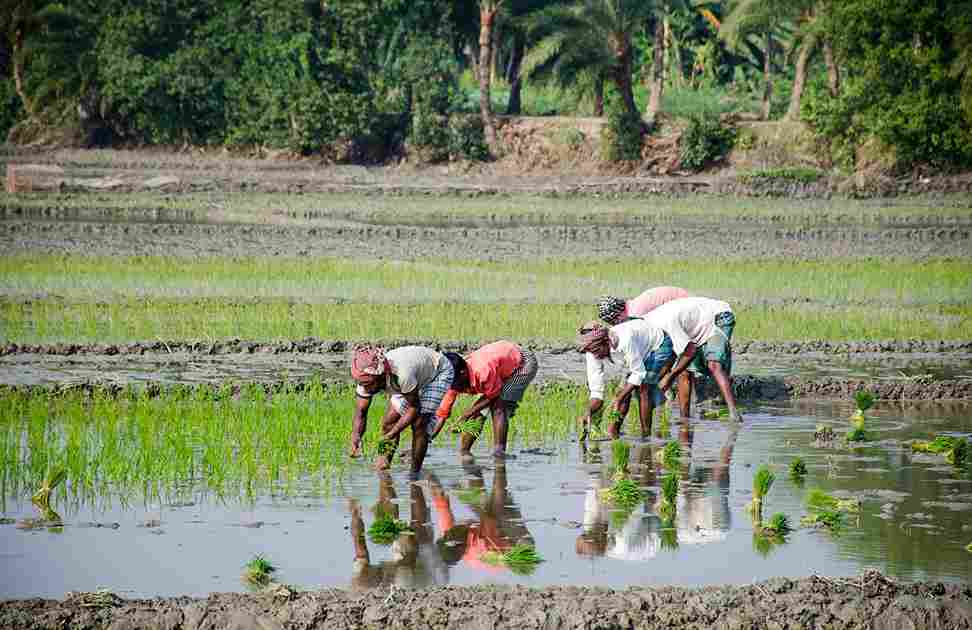
Sustainable agriculture is no longer a distant ideal reserved for large institutions or policy discussions—it is a practical, everyday approach that farmers, growers, and even small landholders can adopt right now. Across India and beyond, growers are rethinking how they cultivate crops, manage soil, and protect yields without exhausting natural resources. The shift is driven not just by environmental concerns but also by the need for consistent productivity, lower input costs, and healthier ecosystems.
In recent years, the conversation has matured. Instead of abstract theories, farmers want workable solutions—methods that improve soil fertility, reduce dependency on synthetic inputs, and still deliver strong harvests. This is where a grounded, experience-based approach makes all the difference. When agriculture respects nature’s cycles, productivity doesn’t suffer; in fact, it often improves over time.
The real strength of this approach lies in balance. Soil, water, microbes, and crops work together when treated carefully. Farmers who have embraced natural inputs, biological crop protection, and regenerative practices often report better soil texture, reduced pest pressure, and improved resilience against climate stress. It is not about abandoning modern methods entirely—it is about refining them with smarter, more sustainable choices.
Why Simplicity Matters in Modern Farming
Farming has become increasingly complex over the years. Rising input costs, unpredictable weather, and declining soil health have made agriculture more challenging than ever. However, sustainability doesn’t mean adding more complications—it often means simplifying what already exists.
A simple shift, such as using bio-based fertilizers or reducing chemical dependency, can create long-term benefits. Soil begins to regain its structure, water retention improves, and beneficial microorganisms return. Over time, these changes reduce the need for expensive interventions.
Farmers who focus on long-term soil health often find that their crops become naturally more resistant to pests and diseases. This reduces both effort and cost, creating a cycle that is easier to manage year after year.
The Core Principles That Actually Work
At its heart, sustainable agriculture is built on a few practical ideas:
- Soil-first thinking: Healthy soil leads to healthy crops
- Balanced inputs: Combining organic and biological solutions
- Water efficiency: Using irrigation wisely to avoid wastage
- Biodiversity: Encouraging beneficial insects and organisms
These are not new concepts, but their implementation has become more refined. Today’s solutions are backed by research, field trials, and real-world farmer experiences.
Common Mistakes Farmers Should Avoid
Even with the best intentions, certain habits can slow progress or even reverse gains. One of the most common mistakes is making sudden, drastic changes without understanding the soil’s condition. Transitioning too quickly from chemical-heavy practices to fully organic systems can stress crops and reduce yields temporarily.
Another issue is overuse of bio-inputs. While they are beneficial, more is not always better. Proper dosage and timing are crucial for achieving the desired results.
Ignoring local climate conditions is another frequent oversight. What works in one region may not work in another. Sustainable methods should always be adapted to local soil type, weather patterns, and crop variety.
A Real Story from the Field
Ramesh Patel, a mid-sized farmer from Gujarat, struggled with declining yields despite increasing fertilizer usage. His soil had become hard, less responsive, and increasingly dependent on chemical inputs.
After attending a local agricultural workshop, he began introducing bio-fertilizers and natural soil conditioners gradually. Instead of eliminating chemicals overnight, he reduced them step by step. Within two growing seasons, he noticed visible improvements—looser soil, better water absorption, and healthier plants.
His costs dropped, but more importantly, his confidence returned. Farming felt manageable again. Today, he advocates for balanced, gradual adoption rather than extreme shifts.
Practical Tips You Can Apply Immediately
Transitioning to better farming practices does not require massive investment or drastic change. Start small and build gradually.
- Test your soil before making any changes
- Introduce bio-fertilizers alongside existing practices
- Use crop rotation to maintain nutrient balance
- Monitor water usage and avoid over-irrigation
- Observe plant response closely instead of relying only on schedules
These steps may seem basic, but they form the foundation of long-term success. Over time, they create a system that supports itself naturally.
Expert Advice for Long-Term Results
Agricultural experts often emphasize patience. Soil health does not improve overnight, and expecting immediate transformation can lead to disappointment. Instead, focus on consistency.
Experts also recommend working with reliable agricultural solution providers who understand local farming conditions. High-quality inputs, when used correctly, can significantly improve outcomes.
Another key suggestion is to maintain records. Tracking crop performance, input usage, and soil condition helps identify patterns and refine strategies over time.
Building Trust Through Responsible Practices
Consumers today are more aware than ever. They care about how their food is grown. Farmers who adopt environmentally responsible practices often find new market opportunities, including premium pricing and direct-to-consumer sales.
Transparency builds trust—not just with buyers but also within farming communities. Sharing knowledge and experiences strengthens collective progress.
Conclusion
Sustainable agriculture is not about perfection; it is about progress. Every small step toward better soil health, efficient water use, and balanced inputs contributes to a more resilient farming system. When approached thoughtfully, it reduces costs, improves productivity, and protects the environment at the same time.
The journey may require patience, but the rewards are lasting. Healthier soil, stable yields, and reduced dependency on external inputs create a future where farming becomes both profitable and sustainable.
Frequently Asked Questions
What is the easiest way to start sustainable farming?
Begin with soil testing and introduce bio-fertilizers gradually while reducing chemical inputs step by step.
Does it reduce crop yield initially?
In some cases, there may be slight adjustments, but long-term yields often improve with healthier soil.
Is it expensive to adopt?
Not necessarily. Many practices actually reduce costs over time by lowering dependency on synthetic inputs.
How long does it take to see results?
Visible improvements in soil and crop health usually appear within one to two growing seasons.
Can small farmers adopt it successfully?
Absolutely. In fact, small-scale farmers often benefit the most due to lower input costs and improved soil efficiency.
What Farmers Are Saying
John Miller, Iowa, USA
“I was skeptical at first, but after one season, my soil started responding better than ever.”
Emily Carter, Texas, USA
“Switching to natural inputs reduced my expenses and improved crop quality noticeably.”
David Thompson, California, USA
“My farm feels more balanced now. Pest issues have gone down without heavy chemical use.”
Laura Jenkins, Nebraska, USA
“The gradual approach made it easy. I didn’t have to risk my entire harvest.”
Michael Anderson, Kansas, USA
“Healthy soil changed everything. Water retention alone made a huge difference.”
A Better Way Forward for Your Farm
If you’re ready to take a smarter approach to farming, now is the time to act. The right guidance and high-quality agricultural solutions can make your transition smoother and more effective. Explore trusted, farmer-focused innovations at https://indochemagrovet.in/ and take a confident step toward a more productive and sustainable future.
