
Boost Soil Health with Bio Fertilizers
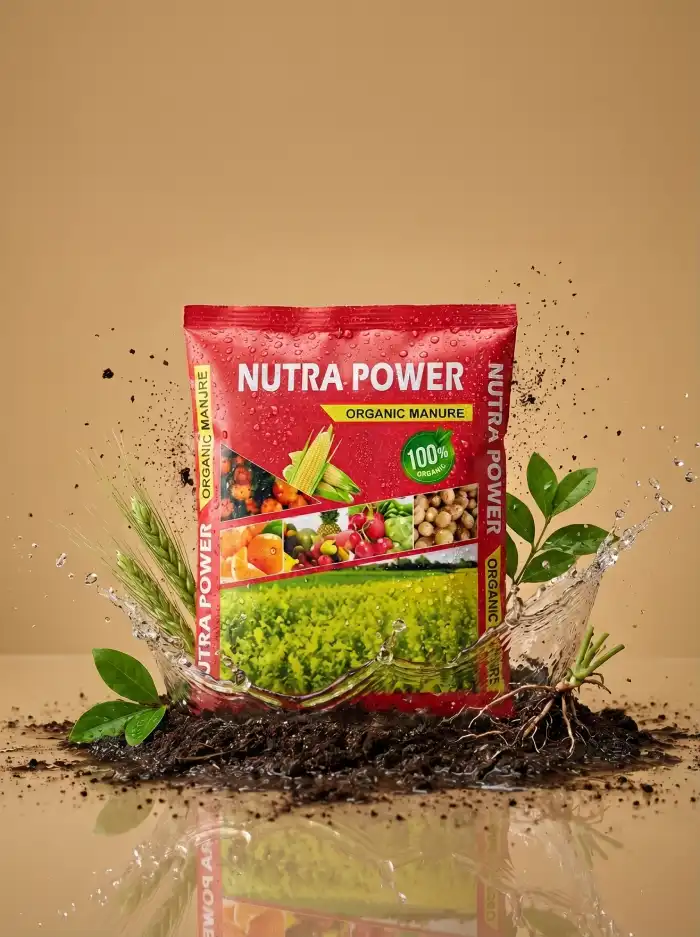
Healthy crops don’t begin with seeds—they begin with the soil beneath our feet. Farmers across India are gradually shifting their focus toward improving Soil Health, realizing that long-term productivity depends more on living, nutrient-rich soil than on short-term chemical inputs. In recent years, bio fertilizers have emerged as a practical, sustainable way to restore balance in agricultural lands that have been exhausted by intensive farming.
Unlike synthetic fertilizers that provide quick but often temporary results, bio fertilizers work quietly. They introduce beneficial microorganisms into the soil, improving nutrient availability, enhancing root growth, and strengthening plant resilience. The change may not be dramatic overnight, but it builds steadily—season after season.
What makes this shift even more relevant today is the growing awareness among farmers and agri-experts about soil degradation. Declining fertility, poor structure, and reduced microbial activity are common concerns. Bio fertilizers offer a way to reverse this trend without harming the environment or increasing input costs drastically.
In this article, we explore how bio fertilizers can transform farming practices, improve yields, and rebuild the natural strength of the soil—based on real experiences, practical insights, and expert guidance.
Understanding Bio Fertilizers and Their Role
Bio fertilizers are natural inputs containing living microorganisms such as bacteria, fungi, and algae. When applied to seeds, roots, or soil, these organisms colonize the rhizosphere (root zone) and help plants access nutrients more efficiently.
For instance, nitrogen-fixing bacteria convert atmospheric nitrogen into a usable form for plants. Similarly, phosphate-solubilizing microbes break down insoluble phosphorus, making it available for crop uptake.
The key difference lies in how they work. Chemical fertilizers feed the plant directly. Bio fertilizers feed the soil ecosystem, which in turn nourishes the plant.
Why Soil Quality Matters More Than Ever
Farmers often notice declining yields despite increasing fertilizer use. The reason is simple—soil is not just a medium; it’s a living system. When its biological balance is disturbed, crops suffer even if nutrients are added externally.
Improving soil structure, organic matter content, and microbial life leads to:
- Better water retention
- Stronger root systems
- Reduced dependency on chemicals
- Higher resistance to pests and diseases
That’s where bio fertilizers make a meaningful difference.
How Bio Fertilizers Improve Farm Productivity
Bio fertilizers don’t just add nutrients—they optimize the entire soil environment. Here’s how:
- Enhanced Nutrient Efficiency: They unlock nutrients already present in the soil.
- Improved Root Development: Strong roots absorb water and nutrients better.
- Sustainable Yield Growth: Gradual improvement leads to stable productivity.
- Eco-Friendly Farming: No harmful residues or soil toxicity.
Farmers who adopt bio fertilizers often report better crop quality, not just higher yield.
Common Mistakes Farmers Should Avoid
Even though bio fertilizers are simple to use, certain mistakes can reduce their effectiveness:
- Using expired or low-quality products: Microorganisms lose viability over time.
- Applying under extreme conditions: High temperatures or direct sunlight can harm microbial activity.
- Mixing with chemicals incorrectly: Some pesticides or fertilizers can kill beneficial microbes.
- Expecting instant results: Bio fertilizers work gradually, not overnight.
Understanding these basics ensures better outcomes.
A Real Story from the Field
In a village near Burdwan, a farmer named Ramesh Chatterjee struggled with declining paddy yields for years. Despite increasing chemical fertilizer use, his production remained stagnant.
On the advice of a local agricultural officer, he started using bio fertilizers alongside organic inputs. Initially, he was skeptical. But within two cropping seasons, he noticed improved soil texture and healthier plant growth.
Today, Ramesh has reduced his chemical fertilizer use by nearly 40% and reports better grain quality. More importantly, his input costs have come down.
Stories like these are becoming more common across India.
Practical Tips for Using Bio Fertilizers Effectively
If you’re planning to introduce bio fertilizers into your farming routine, keep these practical points in mind:
- Apply during early morning or evening hours
- Store in cool, dry places away from sunlight
- Combine with organic matter like compost or farmyard manure
- Follow recommended dosage for each crop
- Use crop-specific formulations for best results
Consistency is key. Regular use over multiple seasons brings visible improvements.
Expert Advice for Sustainable Farming
Agricultural experts emphasize that improving Soil Health is not a one-time effort. It requires a balanced approach that includes:
- Crop rotation
- Organic matter addition
- Reduced chemical dependency
- Use of microbial inputs like bio fertilizers
According to agronomists associated with Indochem Agrovet, integrating bio fertilizers into conventional farming systems can significantly enhance long-term productivity while protecting natural resources.
They recommend starting small—testing on a portion of land before scaling up.
Conclusion
The future of farming lies in sustainability, and that journey begins with the soil. Bio fertilizers offer a reliable, eco-friendly way to rebuild fertility, reduce costs, and improve crop outcomes over time.
Instead of chasing quick fixes, farmers are now turning toward solutions that restore balance and ensure lasting productivity. By focusing on Soil Health, they are not just growing crops—they are nurturing the very foundation of agriculture.
If you are looking to make your farming practices more resilient and cost-effective, exploring bio fertilizers is a step worth taking. Trusted solutions from Indochem Agrovet can guide you in making this transition smoothly.
Frequently Asked Questions (FAQ)
- Are bio fertilizers suitable for all crops?
Yes, different formulations are available for cereals, pulses, vegetables, and fruits. - How long does it take to see results?
Results are gradual. Visible improvement usually appears after one or two cropping cycles. - Can bio fertilizers replace chemical fertilizers completely?
They can reduce dependency significantly but are often used in combination for best results. - Are they safe for the environment?
Absolutely. They are eco-friendly and do not harm soil or water systems. - How should they be stored?
Keep them in a cool, dry place away from direct sunlight.
Customer Testimonials
- Suresh Patel, Gujarat
“I was hesitant at first, but after using bio fertilizers, my soil feels more alive. Crop quality has improved noticeably.” - Anita Verma, Uttar Pradesh
“My vegetable farm now needs fewer chemicals. It’s safer for my family and consumers.” - Rajiv Singh, Punjab
“I’ve reduced input costs without compromising yield. That’s a big win for me.” - Manoj Das, Odisha
“After two seasons, I can clearly see better soil structure and healthier plants.” - Kavita Nair, Kerala
“The transition was smooth, and the support from Indochem Agrovet made it easier.”
Take the Next Step Toward Healthier Farming
If you’re serious about improving your farm’s future, now is the time to act. Healthier soil means stronger crops, better yields, and long-term sustainability—and bio fertilizers are a powerful way to get there.
At Indochem Agrovet, you’ll find solutions backed by research, field experience, and a genuine commitment to Indian farmers. Whether you’re just starting or looking to refine your approach, their range of bio fertilizers is designed to support your journey toward better soil and better harvests.
Don’t wait for soil problems to grow deeper. Take control today.
Visit https://indochemagrovet.in/ and discover how the right inputs can transform your land—season after season.
