
Eco Agriculture for Smart Farming
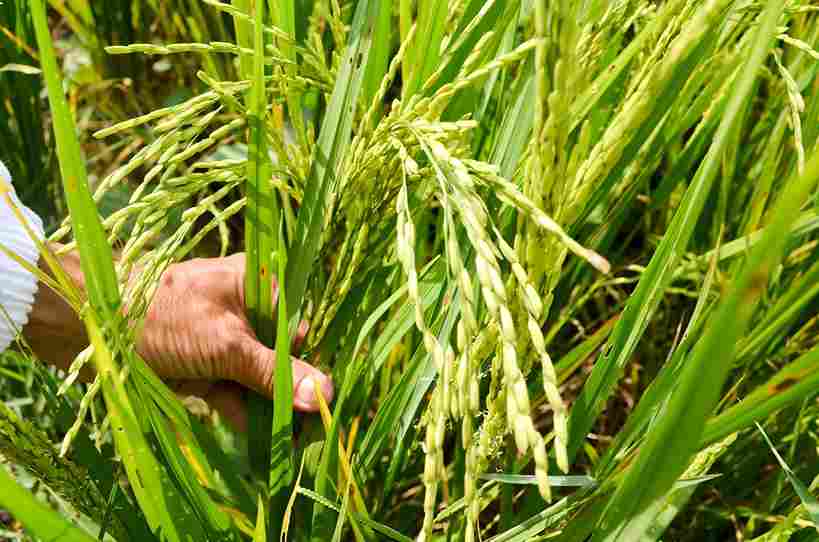
Farming in India has never been just an occupation—it’s a way of life passed through generations. Yet, the challenges farmers face today are very different from what their ancestors knew. Soil fatigue, rising input costs, unpredictable climate, and declining yields have made agriculture more uncertain than ever. This is where eco agriculture steps in—not as a buzzword, but as a practical shift in how we grow food while protecting the land that sustains us.
Eco agriculture blends traditional wisdom with modern science. It encourages farmers to work with nature rather than against it. Instead of over-relying on synthetic chemicals, it focuses on soil health, biodiversity, water conservation, and sustainable inputs. Many farmers across India are slowly rediscovering that healthier soil leads to stronger crops and better long-term income stability.
At Indochem Agrovet Pvt. Ltd., the emphasis has always been on supporting farmers with solutions that improve productivity without harming the ecosystem. Their work reflects a growing realization: sustainability and profitability can go hand in hand.
Why Sustainable Farming Is No Longer Optional
A decade ago, sustainability was often treated as an “alternative” approach. Today, it is becoming essential. Continuous chemical use has reduced soil fertility in many regions. Farmers now report needing higher doses just to maintain the same yield.
Eco-friendly practices address this issue at its root. They rebuild soil organic matter, encourage beneficial microbes, and reduce dependency on external inputs. Over time, this leads to better crop resilience—even during erratic weather conditions.
Another important factor is consumer awareness. People are becoming more conscious about what they eat. This shift is gradually opening up better market opportunities for farmers who adopt cleaner and safer cultivation practices.
What Eco Agriculture Looks Like on the Ground
It’s not about completely abandoning modern techniques. Instead, it’s about balance.
Farmers practicing this method often combine organic manures, bio-fertilizers, and minimal chemical inputs. Crop rotation is commonly used to prevent nutrient depletion. Natural pest control methods—like neem-based solutions—help reduce chemical exposure.
Water management also plays a crucial role. Techniques like drip irrigation and mulching conserve water while maintaining soil moisture. In regions where water scarcity is a growing concern, these practices make a noticeable difference.
The goal is simple: produce healthy crops while keeping the ecosystem intact.
Common Mistakes Farmers Make While Switching
Transitioning to sustainable farming is not always smooth. Many farmers face setbacks—not because the method doesn’t work, but because of how it is implemented.
One common mistake is expecting instant results. Soil restoration takes time. Farmers who abandon the process midway often miss the long-term benefits.
Another issue is partial adoption. For example, reducing chemicals but not improving soil nutrition can lead to disappointing yields. Eco agriculture works best as a system, not as isolated changes.
There’s also the challenge of misinformation. Not all “organic” or “eco-friendly” products in the market are effective. Choosing reliable solutions from trusted providers matters.
A Real Story from the Field
In a small village near Nashik, a farmer named Ramesh Patil struggled with declining grape yields. Years of heavy fertilizer use had hardened his soil. Costs were rising, but profits were shrinking.
After attending a local workshop, he decided to experiment with sustainable practices on a portion of his land. He started using bio-fertilizers, compost, and reduced chemical sprays.
The first season showed only modest improvement. But by the third year, the difference was clear. His soil had regained structure, water retention improved, and his crop quality increased. Today, he spends less on inputs and earns more due to better produce quality.
Stories like his are becoming more common across India.
Practical Tips for Farmers Considering the Shift
Starting small often works better than making sudden, large-scale changes. Testing new methods on a limited area allows farmers to understand what suits their soil and crops.
Maintaining soil health should be the top priority. Regular use of compost, green manure, and microbial solutions can gradually rebuild fertility.
It also helps to keep records. Tracking input costs, yield, and soil condition over time gives a clearer picture of progress.
Farmers should stay connected with agricultural experts and trusted suppliers. Access to the right guidance can prevent costly mistakes.
Expert Advice from the Field
Agricultural specialists often emphasize one key principle: consistency matters more than intensity.
Sudden, drastic changes can stress the soil and crops. A gradual approach allows the ecosystem to adjust naturally. Experts also recommend soil testing before making any major decisions. Understanding what the soil lacks is the first step toward improving it.
Another important aspect is diversification. Growing multiple crops not only reduces risk but also improves soil health through varied nutrient cycles.
Organizations like Indochem Agrovet continue to support farmers by offering research-backed solutions that align with sustainable practices while maintaining productivity.
Conclusion
Eco agriculture is not just a farming method—it’s a mindset shift. It encourages farmers to think long-term, to care for the soil as much as the crop, and to see sustainability as an investment rather than a cost.
As more farmers adopt these practices, the benefits extend beyond individual fields. Healthier soil, cleaner water, and safer food contribute to a stronger agricultural ecosystem.
The journey may require patience, but the results are worth it. Sustainable farming is not about going backward—it’s about moving forward, wisely.
Frequently Asked Questions
Is eco agriculture suitable for all types of crops?
Yes, it can be adapted to most crops with proper planning and soil management.
Will yields decrease initially?
In some cases, there may be a slight dip during the transition phase, but yields often stabilize and improve over time.
Is it expensive to start?
Initial costs can vary, but long-term savings on inputs often balance the investment.
How long does it take to see results?
Visible improvements in soil and crop quality usually take 1–3 years.
What Farmers Are Saying
Rajesh Kumar, Punjab
“After switching methods, my wheat quality improved, and I noticed better soil texture within two seasons.”
Anita Deshmukh, Maharashtra
“I was hesitant at first, but now my vegetable farm is more profitable with lower input costs.”
Sanjay Verma, Uttar Pradesh
“Water retention in my field has improved significantly. Irrigation frequency has reduced.”
Kiran Reddy, Telangana
“I used to depend heavily on chemicals. Now, I use balanced inputs and see healthier crops.”
Mohan Das, West Bengal
“The change wasn’t instant, but the long-term benefits are real and visible.”
Don’t wait for declining yields to force a change. Choose a better path today—one that supports your farm, your income, and the future of agriculture. Visit https://indochemagrovet.in/ and discover how the right support can transform your farming journey.
