
Best Organic Fertilizers for Farming
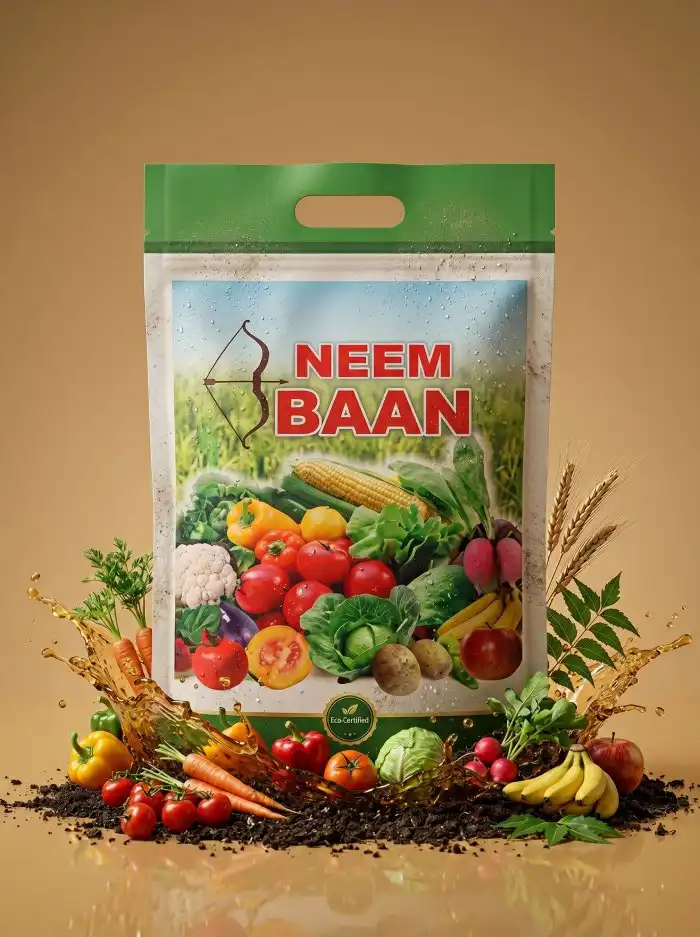
One winter morning, a farmer in a small village near Murshidabad stood silently in his field. The soil looked tired—hard, cracked, and lifeless. Years of chemical use had boosted yield once, but now the land refused to respond. That day, he made a quiet shift. He began exploring Organic Fertilizers, not out of trend, but out of desperation. Months later, the same field began to breathe again—earthworms returned, crops looked greener, and something deeper changed: trust in the soil.
Can Farming Thrive Without Chemicals?
It’s a question many farmers hesitate to ask. Will yields drop? Will pests increase? Will the soil take too long to recover? These doubts are real—and valid. But across India, thousands of farmers are already answering this question with action, not theory.
When Soil Stops Responding
A common problem farmers face today is declining productivity despite increasing fertilizer usage. Chemical fertilizers often give quick results, but over time they reduce soil fertility, kill beneficial microbes, and disturb natural nutrient cycles. This leads to dependency—more inputs, less output.
In one local case, a farmer from Nadia district noticed his paddy yield dropping even after increasing urea application. Soil testing later revealed poor organic carbon levels. The land wasn’t “hungry”—it was “damaged.”
A Real Turnaround Story
A vegetable grower in West Bengal switched to vermicompost and neem cake after repeated crop failures. The first season was average, but by the second, the soil became softer, water retention improved, and pest attacks reduced naturally. His cost went down, and buyers preferred his produce for its quality.
That shift wasn’t magic—it was biological recovery.
What Makes Organic Fertilizers Different?
Organic Fertilizers are not just nutrients—they are life systems. They improve soil structure, enhance microbial activity, and release nutrients slowly. Unlike chemicals, they don’t “force-feed” crops but support long-term soil health.
They include natural materials like compost, manure, plant extracts, and bio-based inputs. Their biggest strength lies in sustainability—feeding the soil so the soil can feed the plant.
The Fertilizers That Actually Work in Fields
1. Compost – The Farmer’s Silent Partner
Compost is often underestimated. Made from crop waste, kitchen scraps, and organic matter, it improves soil texture and fertility. Farmers using compost regularly notice better root growth and moisture retention.
A farmer once mentioned how his compost pit became his “hidden fertilizer factory”—turning waste into wealth.
2. Vermicompost – Where Earthworms Do the Magic
Vermicompost is rich in nutrients and beneficial microbes. It enhances plant growth naturally and improves soil aeration.
Farmers growing vegetables like brinjal and tomato often prefer vermicompost because it gives visible improvement in plant health within weeks.
3. Cow Dung Manure – Traditional Yet Powerful
Used for generations, cow dung manure remains one of the most reliable Organic Fertilizers. It enriches soil with organic matter and supports microbial life.
In rural farms, mixing cow dung with crop residues creates a balanced nutrient source that works season after season.
4. Neem Cake – Nature’s Pest Controller
Neem cake is not just fertilizer—it’s protection. It nourishes plants while controlling harmful soil pests.
Farmers growing pulses and oilseeds often use neem cake to reduce pest damage without chemicals.
5. Green Manure – Growing Fertility on the Field
Green manure involves growing plants like dhaincha or sunhemp and plowing them back into the soil. It increases nitrogen levels and improves soil structure.
One farmer described it as “feeding the soil before feeding the crop.”
6. Bone Meal and Fish Emulsion – Nutrient Boosters
These are rich in phosphorus and nitrogen. They are especially useful in fruit crops and flowering plants.
Farmers cultivating orchards often rely on these for improving yield and fruit quality.
What Experts Say About Organic Transition
Agricultural experts often emphasize that soil is a living system. Continuous chemical use disrupts this system, while Organic Fertilizers restore it.
Experts suggest that farmers should not expect instant results. Organic farming is a gradual process—like healing. The focus shifts from short-term yield to long-term sustainability.
Practical Tips Farmers Can Actually Use
Start Small, Not All at Once
Don’t convert the entire farm immediately. Begin with one section and observe changes.
Combine Organic Inputs
Using only one fertilizer may not be enough. Mix compost, vermicompost, and neem-based products for better results.
Focus on Soil, Not Just Crop
Healthy soil automatically leads to healthy crops. Invest in improving soil structure and biology.
Observe Your Field Closely
Organic farming requires attention. Look at leaf color, soil texture, and pest patterns regularly.
Be Patient
Results improve over time. Many farmers notice significant changes after 2–3 cropping cycles.
A Quiet Emotional Shift in Farming
There’s something deeply satisfying about seeing soil come back to life. Farmers often say that organic farming reconnects them with nature. It’s not just about yield—it’s about respect for land.
One farmer shared how his children now play in the fields without fear of chemicals. That, for him, was a bigger reward than higher profit.
Why Organic Fertilizers Are the Future of Farming
The demand for chemical-free food is rising. Consumers are becoming aware. Markets are slowly shifting. Farmers who adapt early are likely to benefit more—not just economically, but environmentally.
Organic Fertilizers are not a trend—they are a return to balance.
A Better Way Forward for Farmers
If your soil feels tired, if your crops aren’t responding, or if your costs keep rising—this might be the moment to rethink your approach. Organic farming is not about rejecting modern methods; it’s about choosing smarter, sustainable ones.
Take the First Step Toward Healthier Farming
If you’re ready to improve your soil, reduce chemical dependency, and grow better crops, explore high-quality organic solutions from https://indochemagrovet.in/.
Their range of agricultural inputs is designed to support farmers in transitioning toward sustainable farming practices—step by step, season by season.
Because when the soil lives, everything else follows.
