
Red Meal: That Changes Thinking About Soil
Last winter, while visiting a small village near Burdwan, I met a farmer named Ramesh. He wasn’t complaining about pests or market prices—his biggest concern was something deeper: his soil had lost life. “Fertilizers work,” he said, “but every year I need more. And still, yield doesn’t improve much.”
Have you ever noticed this pattern? More input, same or even lower output.
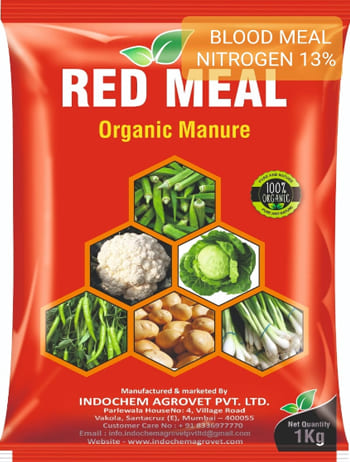
This is exactly where products like Red Meal from Indochem Agrovet quietly enter the conversation—not as a quick fix, but as a long-term soil companion.
The Real Problem Farmers Don’t Always Talk About
Across West Bengal and many parts of India, farmers are facing a silent issue:
- Soil becoming hard and less fertile
- Water not staying long enough in fields
- Increased dependency on chemical fertilizers
- Rising input costs without matching returns
One farmer in Nadia told me, “Earlier, after irrigation, moisture stayed for 3–4 days. Now, it dries in 1–2 days.”
This is not just a farming issue—it’s a soil health crisis.
A Real Example from the Field
In Hooghly district, a group of vegetable farmers experimented with organic inputs over two seasons. One of them added Red Meal along with reduced chemical fertilizers.
The result?
- Soil became noticeably softer
- Irrigation frequency reduced
- Crop growth looked more uniform
- Chemical fertilizer use dropped by nearly 25–30%
He smiled and said, “Now I feel like I’m feeding the soil, not just the crop.”
So, What Exactly is Red Meal?
Red Meal is an organic soil nutrient product designed to:
- Improve soil structure
- Enhance microbial activity
- Support balanced crop nutrition
- Increase water retention capacity
Unlike chemical fertilizers that give quick results but long-term damage, Red Meal works slowly—but builds soil strength over time.
What Experts Say (Simple, Practical View)
An agriculture consultant I spoke to explained it simply:
“Think of soil like a human body. Chemical fertilizers are like energy drinks—quick boost. Organic inputs like Red Meal are like nutritious food—slow but sustainable strength.”
This balance is what modern farming needs.
Before vs After Using Red Meal
Before:
- Hard soil, difficult tilling
- High fertilizer cost
- Uneven crop growth
- Low moisture retention
After (2–3 seasons):
- Softer, workable soil
- Reduced chemical dependency
- Better root development
- Improved water holding
Common Mistakes Farmers Make
Even when trying organic solutions, some mistakes reduce results:
- Using too little quantity expecting quick results
- Not combining with proper irrigation practices
- Expecting instant yield jump in first season
- Ignoring soil testing
Remember: soil improvement is a process, not an overnight change.
Practical Tips from Farmers Who Used It
Here’s what experienced farmers recommend:
- Apply Red Meal during soil preparation stage
- Mix properly into the soil—not just surface application
- Combine with crop rotation practices
- Use consistently for at least 2–3 crop cycles
- Gradually reduce chemical fertilizers—not suddenly
Cost vs Benefit: Is It Worth It?
At first glance, adding another input may feel like extra cost.
But farmers reported:
- Reduced spending on chemical fertilizers
- Lower irrigation frequency
- Better crop quality (especially vegetables and fruits)
- Long-term soil improvement
One farmer said, “Earlier I was spending more every season. Now I invest once and get benefits over time.”
Local Market Reality
In many West Bengal markets, buyers are slowly preferring:
- Better-looking produce
- Longer shelf life crops
- Chemical-residue-free vegetables
Farmers using balanced nutrition (including organic inputs like Red Meal) are beginning to get better acceptance in local markets.
Government Push Toward Organic & Sustainable Farming
Government schemes are increasingly supporting:
- Organic farming
- Soil health cards
- Reduced chemical dependency
Products like Red Meal align with this direction, helping farmers stay ahead of future policy changes.
Real Farmer Story: A Small Change, Big Impact
In a small village near Krishnanagar, a farmer growing brinjal tried Red Meal after a neighbor’s suggestion.
First season—no big difference.
Second season—better soil texture.
Third season—stronger plants, fewer issues.
His words stayed with me:
“Earlier I used to treat farming like a battle. Now it feels like a partnership with the soil.”
Frequently Asked Questions from Farmers
Q1: Can Red Meal completely replace chemical fertilizers?
No. It works best when used to reduce and balance chemical fertilizer usage gradually.
Q2: How long does it take to see results?
You may notice changes in soil within one season, but real benefits appear over 2–3 cycles.
Q3: Is it suitable for all crops?
Yes, especially effective for vegetables, fruits, and field crops.
Q4: Does it improve water retention?
Yes. Farmers reported needing less frequent irrigation after regular use.
A Small Change, A Big Difference
Farming today is not just about increasing yield—it’s about sustaining the soil for the future.
Products like Red Meal are not magic solutions. But when used wisely, they help rebuild what years of intensive farming have taken away.
If you’ve been noticing declining soil performance, maybe it’s time to ask:
Are you feeding your crop… or your soil?
Explore More
To learn more about Red Meal and how it fits into your farming practices, visit: https://indochemagrovet.in/product/red-meal/
Sometimes, the biggest improvements begin with the smallest changes beneath our feet.
