
Organic Pesticides for Eco Farming
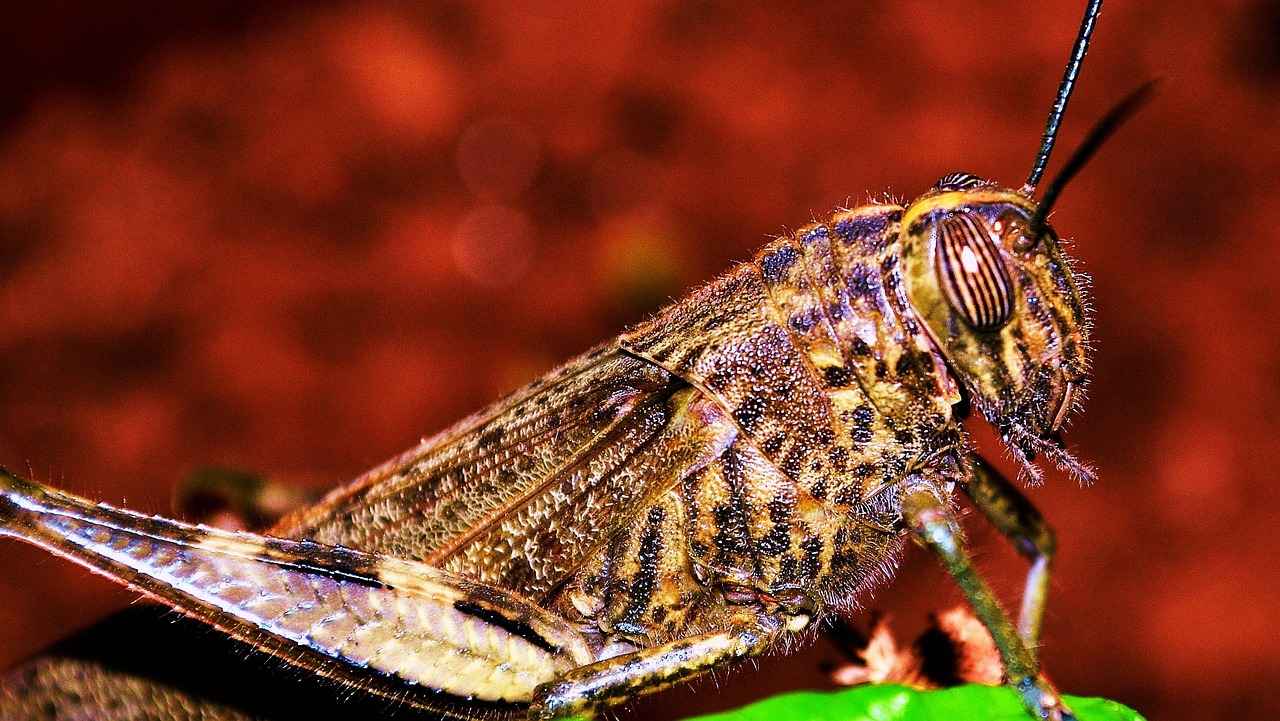
Organic Pesticides are becoming an essential part of modern agriculture as farmers and growers look for safer, more sustainable ways to protect crops. Unlike conventional chemical-based solutions, Organic Pesticides are typically derived from natural sources such as plants, minerals, bacteria, and other biological materials. They help control harmful insects, fungal diseases, and crop-damaging organisms while supporting a healthier farming ecosystem. As eco-friendly farming continues to gain importance, many agricultural professionals are turning to these natural alternatives to reduce chemical residue in food, protect soil fertility, and preserve beneficial insects like bees and ladybugs.
One of the biggest advantages of Organic Pesticides is their ability to work in harmony with sustainable farming practices. They are often used in integrated pest management strategies, where prevention, observation, and targeted action are prioritized over heavy chemical dependence. This makes them a valuable choice for farmers who want to improve crop quality without causing long-term environmental harm. In addition, Organic Pesticides can help maintain biodiversity, reduce water contamination risks, and support the growing consumer demand for cleaner, responsibly grown produce. As the agricultural sector moves toward greener solutions, these pesticides are playing a powerful role in shaping a more balanced, productive, and environmentally conscious future for farming.
Why Organic Pesticides Matter in Sustainable Agriculture
The growing demand for clean and responsibly produced food has placed greater attention on farming methods that protect both crops and the environment. In this shift, Organic Pesticides have emerged as a practical and responsible solution for farmers who want effective pest control without depending heavily on synthetic chemicals. Their importance goes far beyond simply killing harmful insects or stopping plant diseases. They represent a broader commitment to sustainable agriculture, where productivity and environmental care move together rather than in conflict.
Farmers today face a difficult challenge. They must produce healthy, high-quality crops while also protecting the soil, water, air, and surrounding biodiversity. Traditional chemical pesticides may offer quick results, but repeated use can create long-term issues such as pest resistance, soil degradation, residue concerns, and harm to non-target species. Organic Pesticides provide a more balanced path because they are generally designed to target specific agricultural problems while reducing the wider ecological impact. This makes them especially valuable in farming systems focused on long-term health and stability.
Another reason Organic Pesticides matter is their role in preserving beneficial organisms. Agriculture depends not only on crops but also on pollinators, earthworms, microorganisms, and natural predators that keep farm ecosystems functioning. When these helpful organisms are harmed, the entire production cycle can weaken over time. By using Organic Pesticides as part of a thoughtful crop protection strategy, farmers can support a more natural balance in the field. This creates an environment where pest problems are managed more responsibly and where nature itself becomes part of the farming solution.
How Organic Pesticides Support Crop Health and Soil Protection
Healthy crops begin with healthy soil, and this is one of the strongest reasons eco-friendly farming encourages the use of Organic Pesticides. Soil is not just a growing medium; it is a living system filled with microorganisms and nutrients that support strong plant development. Excessive exposure to harsh synthetic chemicals can disturb this delicate balance. In contrast, Organic Pesticides are often more compatible with natural farming systems that prioritize soil vitality, compost use, crop rotation, and biological diversity.
When crops are protected through environmentally responsible methods, they are often better able to grow in a stable and supportive ecosystem. Organic Pesticides can help manage pests and diseases without placing unnecessary pressure on the broader farm environment. This allows farmers to maintain crop strength while also protecting the long-term fertility of their land. Over time, such practices can improve resilience, which is especially important as agriculture faces changing weather patterns, rising environmental concerns, and growing public awareness about food safety.
The use of Organic Pesticides also reflects a preventive mindset rather than a purely reactive one. Instead of relying only on aggressive chemical intervention after a severe pest outbreak, farmers can use organic solutions as part of a wider management approach that includes regular monitoring, early detection, and targeted control. This strategy reduces waste, lowers unnecessary exposure, and encourages more precise decision-making. In the long run, it helps farmers create a system that is not only productive but also more responsible and enduring.
The Future of Eco-Friendly Farming with Organic Pesticides
As the agricultural industry continues to evolve, Organic Pesticides are expected to play an even greater role in shaping the future of eco-friendly farming. Consumers are becoming more aware of how food is grown, and this awareness is influencing market demand, farming practices, and agricultural innovation. More growers are now recognizing that sustainability is not just a trend but a necessity for long-term success. In this environment, Organic Pesticides offer a meaningful bridge between crop protection and environmental responsibility.
Their future value lies in their ability to align with modern goals such as safer food production, improved soil stewardship, and reduced ecological damage. Farmers who adopt Organic Pesticides are not only protecting their crops in the present but also investing in a healthier agricultural future. As research and development continue to improve organic farming inputs, these solutions are likely to become even more effective, accessible, and adaptable across different types of crops and climates. This makes them a strong foundation for a greener and more responsible farming model in the years ahead.
Conclusion
In conclusion, Organic Pesticides are a vital part of eco-friendly farming because they help protect crops while supporting environmental health and long-term agricultural sustainability. By reducing dependence on harsh chemical inputs, Organic Pesticides contribute to safer food production, healthier soil, and better protection for beneficial organisms. They also align with the growing need for responsible farming practices that balance productivity with nature. As sustainable agriculture continues to expand, Organic Pesticides will remain an important solution for farmers seeking effective pest control methods that promote resilience, ecological balance, and a cleaner future for agriculture.
Take the Next Step Toward Smarter and Greener Farming
Your farm deserves solutions that protect crops, strengthen productivity, and support a healthier future for agriculture. At Indochem Agrovet, we are proud to stand beside farmers, growers, and agricultural businesses as a trusted growth partner in progressive agriculture. With a commitment to quality, innovation, and field-focused support, we help you move forward with confidence in every season.
Connect with our team today and discover how the right agricultural support can make a lasting difference in your farming journey.
Mumbai Office
Parewala House No. 4, Vakola
Santacruz (East)
Mumbai – 400055
Kolkata Office
Block DD, House No. 197
1st Floor, Street No. 295
Action Area – 1, New Town
Kolkata, West Bengal – 700156
📞 Call Us: +91 98307 20311 / +91 83369 77770
✉️ Email: indochemcustomercare@gmail.com
🌐 Website: https://indochemagrovet.in/
Indochem Agrovet — Your growth partner in progressive agriculture.
