
Organic Agri Inputs for Natural Farms
Introduction
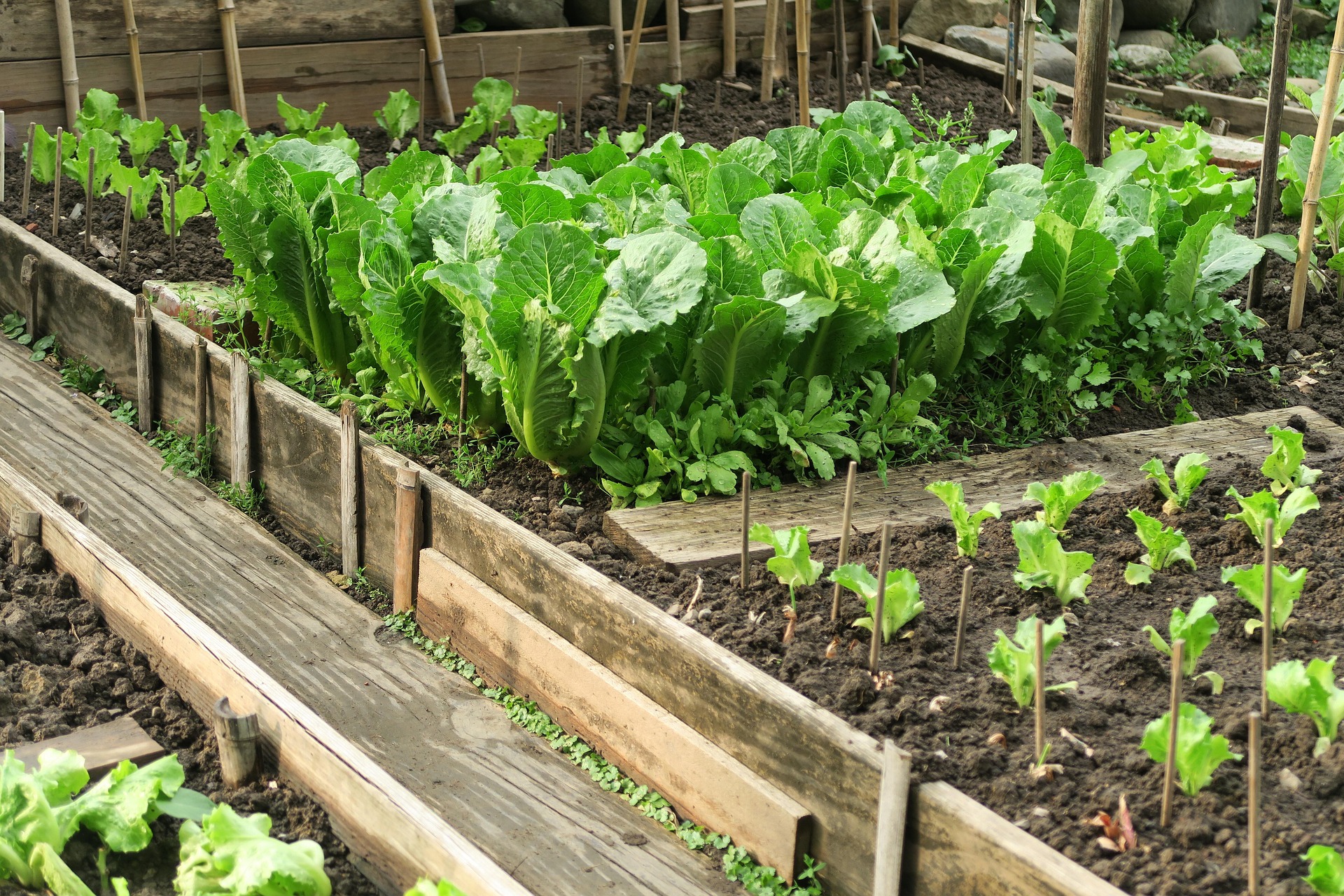
Organic agri inputs are transforming modern agriculture by enabling farmers to achieve sustainable productivity while protecting soil health, biodiversity, and human well-being. As awareness grows about the long-term impact of synthetic fertilizers and pesticides, the shift toward chemical-free farming practices has become both a necessity and an opportunity. These inputs—derived from natural, biological, and mineral sources—support crop nutrition, pest management, and soil enrichment without leaving harmful residues in the ecosystem.
By adopting organic agri inputs, farmers can rebuild soil structure, enhance microbial activity, and improve water retention, all of which are essential for long-term farm resilience. Unlike chemical-based solutions that often degrade soil fertility over time, organic alternatives work in harmony with nature, promoting balanced plant growth and stronger root systems. This approach not only safeguards crops but also contributes to healthier food production and a cleaner environment.
The demand for chemical-free agricultural produce is rising rapidly among consumers who prioritize food safety and environmental responsibility. Organic agri inputs help farmers meet these expectations while complying with organic certification standards and sustainable farming guidelines. From bio-fertilizers and composts to bio-pesticides and soil conditioners, these solutions offer a holistic approach to crop management that reduces dependency on synthetic chemicals.
Ultimately, choosing organic agri inputs is an investment in the future of agriculture. It empowers farmers to maintain productivity, protect natural resources, and build trust with conscious consumers. By embracing chemical-free farming practices, agriculture can move toward a more sustainable, profitable, and environmentally balanced path.
Building Soil Health as the Foundation of Sustainable Farming
At the heart of chemical-free agriculture lies healthy, living soil. The use of organic agri inputs plays a critical role in restoring soil vitality by replenishing organic matter and encouraging beneficial microorganisms. These inputs improve soil structure, enhance aeration, and increase moisture-holding capacity, allowing crops to access nutrients more efficiently. Over time, soils treated with organic inputs become more resilient to erosion, drought, and nutrient depletion. This long-term improvement reduces the need for external interventions and creates a self-sustaining farming system that supports consistent crop performance across seasons.
Enhancing Crop Nutrition Through Natural Sources
Balanced plant nutrition is essential for achieving stable yields in chemical-free farming systems. Organic agri inputs such as bio-fertilizers, composts, and plant-based nutrient formulations provide a slow and steady release of essential macro and micronutrients. Unlike synthetic fertilizers that may cause nutrient imbalances or leaching, organic inputs nourish crops in sync with their natural growth cycles. This results in healthier plants with stronger root development, improved photosynthesis, and enhanced resistance to environmental stress. The outcome is not just better yields, but crops with improved quality, taste, and nutritional value.
Natural Pest and Disease Management for Safer Crops
Effective pest and disease control is often seen as a challenge in chemical-free agriculture, yet organic agri inputs offer reliable and eco-friendly solutions. Bio-pesticides, beneficial microbes, and botanical extracts help manage pests without harming non-target organisms or pollinators. These natural solutions work by disrupting pest life cycles, strengthening plant immunity, and maintaining ecological balance on the farm. As a result, farmers can protect their crops while avoiding chemical residues, ensuring safer produce for consumers and a healthier environment for farm workers.
Economic and Environmental Benefits for the Long Term
Adopting organic agri inputs delivers benefits that extend beyond crop health. Reduced dependency on synthetic chemicals lowers input costs over time and minimizes the risk of soil degradation. Farms practicing chemical-free methods often gain access to premium markets and build stronger trust with environmentally conscious consumers. Additionally, these practices reduce groundwater contamination, protect biodiversity, and contribute to climate resilience. By integrating organic agri inputs into everyday farming operations, growers can achieve a balanced approach that supports profitability, sustainability, and environmental responsibility for generations to come.
Conclusion
In conclusion, organic agri inputs represent a powerful and practical pathway toward truly sustainable and chemical-free agriculture. By working in harmony with natural processes, these inputs help restore soil health, improve nutrient efficiency, and strengthen crop resilience without compromising environmental balance. Unlike conventional chemical-based practices that often deliver short-term gains at long-term ecological cost, organic agri inputs support a regenerative farming model that benefits both the land and the people who depend on it.
The consistent use of organic agri inputs enhances microbial activity in the soil, leading to better nutrient availability and healthier plant growth. This natural synergy reduces the risk of soil exhaustion and ensures that farms remain productive over multiple seasons. At the same time, chemical-free crop management minimizes harmful residues in food, meeting the growing consumer demand for safer, cleaner agricultural produce.
From an economic perspective, organic agri inputs help farmers reduce reliance on costly synthetic products and open doors to premium markets that value sustainability and transparency. Environmentally, they contribute to cleaner water, richer biodiversity, and lower carbon footprints. Ultimately, embracing organic agri inputs and chemical-free farming practices is not just an agricultural choice—it is a commitment to long-term soil fertility, farm profitability, and a healthier future for generations to come.
Ultimately, embracing organic agri inputs is more than a farming technique—it is a forward-looking commitment to sustainable agriculture, environmental stewardship, and long-term food security in an increasingly conscious global market.
Grow More, Naturally—Partner with Progress Today
Step confidently into the future of sustainable farming with a partner who understands your ambition. At Indochem Agrovet, we are committed to empowering farmers, agri-professionals, and distributors with reliable solutions that support productivity, profitability, and environmental responsibility. Our expertise and customer-focused approach make us a trusted ally in progressive agriculture—helping you achieve stronger crops, healthier soil, and long-term success.
Whether you are transitioning to eco-friendly practices or strengthening your existing operations, our team is ready to guide you with practical insights, dependable products, and responsive support. With strategically located offices in Mumbai and Kolkata, we ensure prompt service and personalized assistance tailored to your regional needs. From consultation to consistent after-sales care, we stand by you at every stage of your growth journey.
Connect with us today and take the next confident stride toward smarter, sustainable agriculture.
Mumbai Office
Parewala House No. 4, Vakola
Santacruz (East), Mumbai – 400055
Kolkata Office
Block DD, House No. 197
1st Floor, Street No. 295
Action Area – 1, New Town
Kolkata, West Bengal – 700156
📞 Call Us: +91 98307 20311 / +91 83369 77770
✉️ Email: indochemcustomercare@gmail.com
🌐 Website: https://indochemagrovet.in/
Indochem Agrovet — Your growth partner in progressive agriculture.
